The Complete Guide to Tarot Spreads: The Either–Or Prediction Method
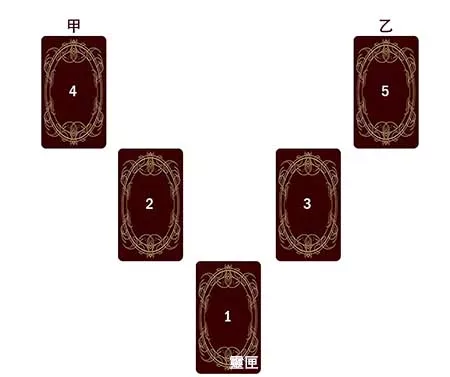
This divination method is also known as the V-shaped method, named for the way the cards are arranged in a V shape. As its name suggests, the Either-Or Divination Method is designed for dilemmas—for example, when two people are interested in you and you can’t choose between them, or when you’re thinking about switching to a new company but aren’t sure it will be better than your current one. This method lays out the likely outcomes of the two paths you’re considering so you can compare them and see which looks better.
1. Applicable Scope
Questions about love, academics, and career.
Card Type: 22 Major Arcana, 56 Minor Arcana, or the full 78 Tarot cards. (If you’re a beginner, it’s recommended to start with only the Major Arcana for divination, since fewer cards make the meanings easier to learn. Once you’re comfortable, you can add the Minor Arcana.)
2. Card Layout

- Before shuffling, the querent should decide on the two options. As shown in the diagram, the layout forms a V shape, with each side representing a different choice. The querent assigns which side represents which choice and keeps this in mind without telling the reader. Once decided, shuffle and cut as usual.
- With the deck face down, count to the sixth card and place it in position "1" shown in the diagram.
- Set the counted-off cards aside; they will not be used again. Then, from the remaining deck, count again and take the sixth and seventh cards, placing them in positions "2" and "3."
- Again, set the counted-off cards aside. From the remaining cards, count again and take the sixth and seventh cards, placing them in positions "4" and "5."
- Reveal each card in order and interpret their meanings.
3. Card Position Meanings
- The querent (your current situation).
- Current status of Choice A.
- Current status of Choice B.
- Likely developments if you choose A.
- Likely developments if you choose B.
Note: This is essentially a comparative layout, so focus your interpretation on weighing the two choices against each other. Sometimes both options may be favorable—or neither may show much promise.