Exploring the Mysteries of the Human Body through the 'Human Aura'
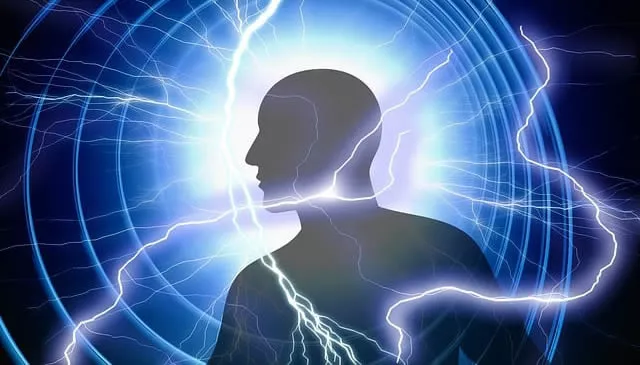
Image source: Pixabay
In 1669, the renowned Danish physician Barning discovered an Italian woman whose body emitted light. Similarly, in the 1930s, another luminous woman was found in Italy, appearing as if she was encircled by a halo that became more noticeable when she ventured out at night. These unusual occurrences garnered significant attention.
To demonstrate the existence of the "human aura," Dr. Wald Kilner from London conducted an experiment. Using a glass plate coated with a special dye, he observed a faint halo about 15 millimeters wide surrounding the human body, displaying a rich spectrum of colors. Additionally, the shape and color of this halo varied with an individual's health status.
After the 1980s, advanced high-tech instruments were utilized in Japan, the United States, and other countries to investigate the "human aura," aiming to uncover its mysteries. Japan's New Technology Development Corporation employed the world's most sensitive photomultiplier tubes and imaging devices to successfully capture images of the "human aura," referred to as "biophotons." By monitoring biophotons, researchers in Japan gained insights into human metabolism and assessed physiological conditions.
Soviet biologist Sergeyev designed an instrument that fully documented changes in electrostatic and magnetic fields in relation to an electrocardiogram. This device revealed bright flashing points in specific body parts, astonishingly aligning with the 741 acupuncture points on traditional acupuncture charts.
The study of the human aura has progressed from pure curiosity to a scientific exploration with substantial practical value. One study involved capturing the aura of a drinker’s fingers, demonstrating that the aura shifted during the drinking process. Initially bright and clear, the aura became progressively disorganized and dim with increased alcohol consumption, eventually flickering weakly.
Japanese medical expert Professor Fumio Inaba discovered that auras differ based on dietary habits. Using a device capable of accurately counting emitted photons, he found that people from Northern Europe and North America, with higher living standards, exhibited brighter auras, whereas individuals from South America, facing lower living standards, had relatively dimmer auras.
Scientists later discovered that the aura varies significantly across different body parts and conditions. For instance, the aura around the arms appears deeper cyan compared to the light blue aura around the head, and the aura's brightness in the arms, legs, and torso is generally weaker than that of the hands and feet. Auras also change based on mental states; they appear light blue when calm, orange-yellow when angry, and orange-red when fearful.
Moreover, age influences the aura, which typically strengthens with age but weakens beyond middle age. Additionally, an average person's aura is weaker compared to that of a physically fit athlete.
Scientists have also found that changes in intentions and thought processes can alter the human aura. For example, if a person has the thought of harming someone, a red aura may appear at their fingertips; at the same time, the intended victim might experience an orange-red aura at their fingertips, appearing painful and contorted, along with a bluish-white aura over their body. When someone lies, their aura flickers in various colors. The aura is also linked to health—a bright red aura indicates good health, while a grayish one suggests serious illness.
Extensive experiments show that the color and shape of the human aura fluctuate according to health status, physiological, and psychological activities. Generally, young adults have brighter auras than the elderly and infants, and healthier individuals have brighter auras than those who are weaker. Athletes typically have brighter auras than average people, and the brightness varies in different parts of the body, with hands and feet being brighter than arms, legs, and torso.
From birth until death, a person emits this ultra-weak cold light, which varies with age, health, and physiological changes like hunger and sleep; after a person has passed for a period, the aura vanishes. In healthy individuals, this cold light is symmetrical on both sides of the body, while illness can cause an imbalance.