Reevaluating the Role of the Appendix: Why It Isn't a Useless Organ
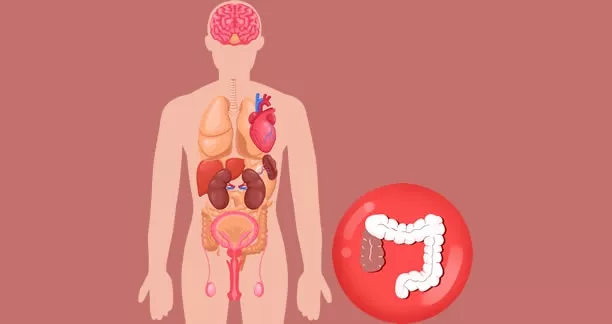
Darwin postulated about the human appendix and those of other primates, suggesting it is a remnant of the cecum from the evolutionary process, which acted as a digestive organ for their extinct ancestors. For a long time, it was believed that the appendix was a vestigial organ with no function. Due to the potential risk of appendicitis, it was widely recommended to remove it when diseased, or even when healthy.
However, a study conducted two years ago by researchers at Duke University in the United States indicated that the appendix actually plays an important role by serving as a habitat for beneficial bacteria. When a person experiences diarrhea, the balance of gut microbiota is disrupted. At this point, beneficial bacteria from the appendix can proliferate, helping to restore the balance of gut microbiota and alleviate the diarrhea.
Research published in the journal of evolutionary biology by scientists from Duke University and Arizona State University shows that the appendix is not the useless organ that Darwin thought it to be. Dr. William Parker, an assistant professor of surgery at Duke University and the lead author of the article, stated, “Perhaps it is time to update the textbooks. Many biological texts still consider the appendix to be a digestive organ of herbivorous animals.”
The study highlights two major errors in Darwin's viewpoint. Firstly, Parker and his colleagues found that the appendix has existed for at least 80 million years, much earlier than the timeline suggested by Darwin's theory. Secondly, they discovered that the appendix is a common organ in the animal kingdom, with over 70% of primates and rodents having an appendix, contrary to Darwin's belief that only a few animals possess one.
The article also notes that appendicitis and other appendix-related inflammations are not due to the organ itself but are linked to cultural shifts and improvements in sanitation brought about by industrialization. These changes have led to the human immune system being underutilized, providing it with more opportunity to cause problems.
Parker stated that while we now understand the normal function of the appendix, a more pressing concern is how to prevent appendicitis. He believes the solution may lie in adjusting our immune system to function as it did in the Stone Age. If current medical technology can find ways to achieve this, we might see a reduction in allergies, autoimmune diseases, and cases of appendicitis.