Mayan Mythology and Religious Beliefs: The Interaction Between Gods and Humans
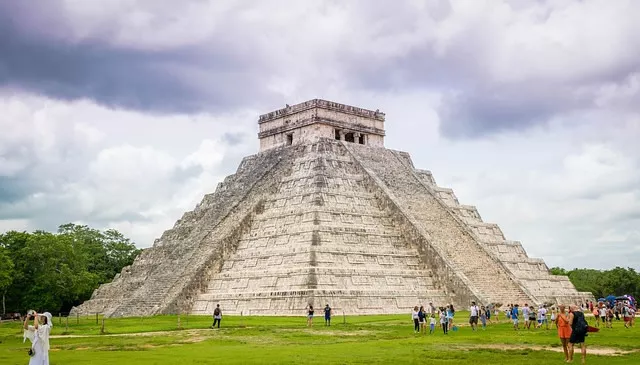
Image source: Pixabay
Deep within the jungle, on untouched land, silent stones whisper an enigmatic legend of the divine. Here, the gods of the Maya intimately engage with humanity, hinting at the meaning of life through cycles of creation, destruction, and rebirth. The myths and religious beliefs of the Maya are akin to an ancient epic, forming a dialogue that transcends time, honoring both the past and the future.
The Maya, shrouded in indescribable mystery, have long melded into the profound fabric of the silent universe. Their way of life is steeped in reverence for the divine and a nuanced understanding of life and death. Much like the cycles of their calendar, it reflects their profound comprehension of life's cycles and the concept of rebirth.
The Maya worshipped a pantheon of omnipotent deities. They honored Kukulkan, the god symbolizing life and light, as a source of both existence and crops, while Ix Chel, the goddess representing the moon, was revered as the embodiment of light. During times of disaster, they prayed to Ah Puch, the god of death and disease, to ward off calamities.
Maya mythology is deeply rooted in their poetic pursuit of harmony between humanity and nature. They held the heavens and earth close to their hearts, maintaining a deep belief in the divine, and intimately linking life with the natural world. They revered nature and extended love to all living things. For instance, the jaguar god represented life and was a symbol of war; the Maya's veneration of this deity reflected their respect for both nature and warfare.
In Maya culture, the line between the sky and the underworld is fluid. They expressed their homage to the heavens and the gods through the construction of temples and pyramids, while underground tombs symbolized the cycle of life and death. For them, death was not the end but the beginning of something new. This worldview was infused into various activities like sacrifices, dances, and ball games, allowing them to express respect for the gods, whose responses were seen in natural phenomena such as thunder, storms, and the twinkling stars.
As a columnist, I am profoundly captivated by the Maya's unique understanding of life and nature. They held an unwavering belief in the existence and power of the divine, adhering to the will of nature and the gods. They worshipped everything, prayed incessantly, and revered the forces of nature, eagerly seeking dialogue with the divine. Their faith transcended the individual, becoming an integral part of life and a cultural legacy.
The transformation of the dialogue between gods and humans into an aspect of everyday life is undeniably a significant element of Maya culture. This cultural tapestry is a monumental epic within human history, where beliefs in deities, notions of life and death, and reverence for nature provide vital spiritual foundations for the evolution of world cultures. Today, as we listen to the grand Maya myths, visit their solemn temples, or decipher their intricate hieroglyphs, we can deeply appreciate this reverence for the divine and nature.
The world of Maya mythology and religious belief is solemn, sacred, and mysterious. It reveals an ancient civilization's insights into life, death, nature, and the divine, offering invaluable perspectives on the profound dialogue between human spirit and religion. Let us transcend the river of time and geographical boundaries to immerse ourselves in this mysterious Maya world and listen to the exceptional and profound conversation between gods and humans.