Understanding the Terms: Card Spirit and Opening Ceremony in Tarot Divination
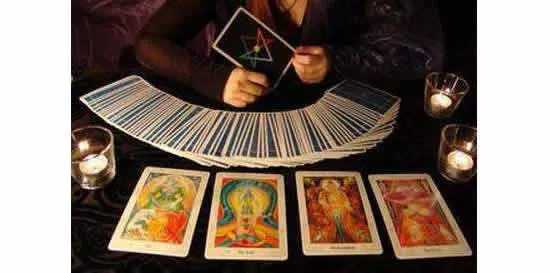
In the internet's early days, forums and message boards were rife with spirited debates and academic arguments. With today's internet advancements, it seems that even those with little knowledge can present themselves as experts. Lately, many newcomers have been asking me what they should be mindful of when drawing tarot or spirit cards. Each time I hear such inquiries, I feel a bit overwhelmed.
When I first launched my tarot course, many beginners bombarded me with exhausting questions. Even after the course had been running for some time and students had gained more understanding, these questions persisted. This indicates just how lacking the current atmosphere in the tarot community is...
"Spirit of the Cards" and "Blood Tarot" are pointless!
What is the "spirit of the cards"? Originally, it wasn't called that; the term referred to the main card or the card to draw, which summarized the characteristics of the cards. It can be seen as the initial divination of a new deck, leading to feelings of "effectiveness" and "resonance" that are not entirely surprising.
The concept of the spirit of the cards was not originally part of tarot, nor were there many ceremonial taboos; many of these ideas developed as tarot spread and intertwined with local cultures and beliefs. This was done in order to make tarot more accessible, understandable, and mysterious, often serving as a marketing tactic.
These concepts came about after tarot's introduction to Japan, where it merged with yin-yang studies, and later extended to Taiwan for further refinement before reaching the mainland. They are not part of the authentic Western esoteric tradition.
Tarot is simply a tool
Genuine tarot magic doesn't involve any "spirit of the cards." Instead, it relies on the stable meanings and symbols inherent in tarot, combined with solid foundational magical skills, integrated into specific magical practices. It's far more complex than the casual act of some self-proclaimed tarot magic masters or frauds who light a candle and recite a few verses.
Tarot itself doesn't possess any inherent spirit. As Rachel Pollack stated, tarot serves as a medium for communicating with spirits, angels, deities, demons, and Loa/Orisha.
Simply put, mystery and the unknown are powerful ways to captivate people, whether for commercial or academic reasons. If tarot were merely a divination tool, its appeal would decrease significantly. Judging by current trends, promoting the spirit of the cards has been quite effective, as many newcomers are highly interested in understanding the meaning of the spirit of the cards and the various rituals associated with opening and closing them.
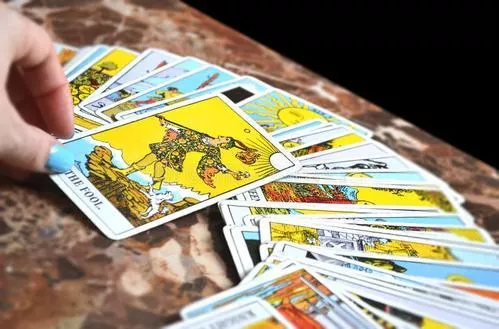
Beginners must learn to distinguish
While there might not be much to it, ignoring foundational theory in favor of pursuing rituals and a sense of mystery can set unrealistic expectations for beginners and lead to seeing tarot as a form of witchcraft. I cannot claim that tarot possesses mystical powers, nor can I confirm the existence of magic or witchcraft through tarot.
Yet, what should beginners focus on? Is it tarot divination or spells? If you're interested in spells, it's better to find a reputable teacher. Simply purchasing a deck, assuming it possesses energy, performing a few rituals, meditating occasionally, and expecting insights and mastery is unrealistic.
Embrace a "sense of ritual" rather than rituals
A sense of ritual during divination can indeed be beneficial. It aids in meditation, stimulates the subconscious, and enhances one's mindset. Simple practices like washing hands before a reading or getting accustomed to shuffling the cards can be helpful.
We don't need to set up magical circles, light candles, or perform blood rituals. Instead of focusing on those, spend energy understanding the meanings of tarot cards, which will help you progress more effectively.