Does a Darkened Yintang Really Indicate Bad Luck?
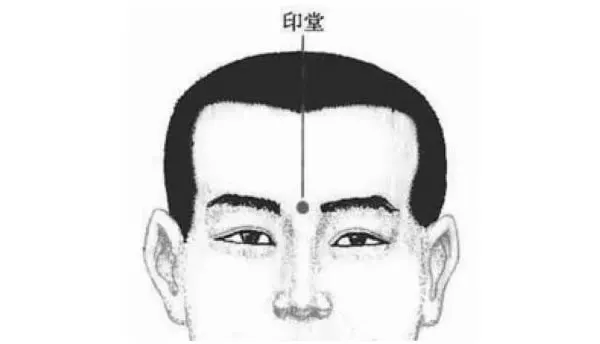
In the realm of physiognomy, it's common to hear phrases like, "Your forehead looks dark and your eyes lack spirit..." suggesting forthcoming misfortune. Many people don't understand why such conclusions are drawn and therefore consider them superstitious.
The forehead area, situated between the eyebrows, is often referred to as the "life palace." It acts as an indicator of a person's overall health. When the body’s energy and blood are circulating well, this area appears bright and smooth. On the other hand, if there’s a blockage, it becomes rough, and if a person's condition is poor, it looks dark.
When we talk about bad luck, it often arises from factors like sluggishness and emotional distress. Whether in relationships or at work, low physical function can lead to mistakes, miscommunication, and errors, causing unnecessary problems — what we term as "bad luck."
If you're not feeling at your best, the best course of action is rest and recovery. Once your body's functions are back to normal, you are better equipped to manage important tasks. During recovery, it's wise to minimize social interactions.
Hearing about looming bad luck can be unsettling, giving the impression that misfortune is inevitable. Historically, however, these warnings were meant as gentle reminders, allowing people to prepare and even avert crises. As society has advanced, these cultural practices have dwindled, leaving people perplexed or even irritated when faced with such predictions, often unsure of how to react.