Liu Heng's Analysis of Liu Zhuang's Physiognomy: A Dark Blue-Black Yintang Indicates Either Death or Hardship!
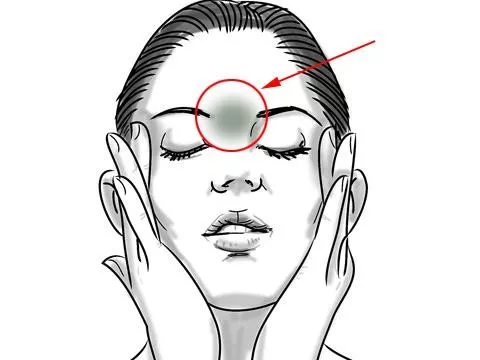
The exchange between the Yongle Emperor and Master Liu Zhuang offers a deep exploration of physiognomy and destiny in a question-and-answer format. This dialogue exemplifies the practice of physiognomy and addresses various doubts and complexities in the field. Teacher Liu Heng provides commentary from a modern perspective, enhancing the original content.
"Yongle's Hundred Questions" is an ancient text on physiognomy. It was created during the Ming Dynasty when Emperor Yongle engaged in a series of questions with Master Yuan Liu Zhuang, a renowned physiognomist. Covering topics from nobility to common people, this book remains a rare gem critical for anyone interested in studying physiognomy.
Why do some people recover from severe illness while others succumb despite having no apparent disease?
The answer: This phenomenon goes beyond facial features. Illness shows in one's complexion. Five conditions indicate death in the ill: a withered mountain root, black ear rims, a dark life gate, blue eye corners, and yellow mouth corners. The text states: “If black surrounds the temple, even the best doctors can’t save you; if blue appears at the mouth corners, not even the great Bian Que can help.” Mixed colors or dark areas in the complexion indicate illness. A healthy nose color suggests a chance of recovery. If the life gate is bright, health will return soon. A clear longevity line means disasters will be avoided.
It is also stated: “If the three yang areas resemble a coin, death is certain. If the longevity line is bright, there is hope.” Clear areas in any of these five locations mean survival. However, if a typically dark complexion suddenly brightens, death is near. If the complexion fluctuates from bright to dark, death is also imminent. For those destined to die, red areas in the three yang indicate passing within ten days.
White hair at the forehead and yellow at the mouth indicates a child might die at the age of seven. If four walls glow red, beware of death at twenty-seven. If an elderly person displays a yellow glow on the face, they may not survive past seven. For the young, blue corners of the mouth can signal potential death within a month. For patients, a dull nose might not mean death unless the longevity line appears muddy and the ears show dustiness, indicating illness. Red ear rims bring no worries. A black forehead doesn't mean death for certain. Blue cheekbones herald impending calamity. A fully blood-red body forewarns of death within a year. Dull, muddy skin predicts death within six months.
Supplementary Notes by Liu Heng: Why do some recover from severe illness while others die without obvious disease? The answer isn't in facial features but in health as shown by the complexion. Five conditions signal looming death: withered mountain root, dark ears, dim life gate, blue-black eye corners, and yellow mouth corners.
Old texts suggest that if black energy fills the temple (behind the outer eye corners) and the mouth corners show blue-black, even the best doctors are helpless. Mixed colors or dark stagnation elsewhere indicate illness. A healthy nose means potential revival; normal ear color suggests preserved kidney energy, enabling recovery. The nose is vital for immunity, and its normal color hints that disasters will be avoided.
The three yin areas below the eyes relate to kidney energy. Blue-white coloring here means certain death. If both the three yin and three yang areas appear blue-white, kidney energy is severely drained. Yet, if the nose color remains normal, recovery is possible.
The three yin and three yang are linked to kidney water, while the nose represents liver and gallbladder energy. Kidney water supports liver function; kidneys nurture the liver. Adequate liver energy despite kidney deficiency suggests hope. However, if the kidneys are utterly depleted and the face gray-black, death is imminent. Normal complexion in any five crucial areas means life. A normally dark complexion that suddenly brightens signals approaching death, known as the light before death. Similarly, if these five areas typically brighten but suddenly darken, death is imminent.
A bright longevity line and three yin and three yang foretell death. A pale forehead predicts failing lung energy; yellow mouth corners mean failing spleen and stomach, signaling seven days of life. A typically gray-black face, suddenly red, suggests a risk of death within 27 to 74 days.
If an elderly person suddenly displays a vibrant yellow face and high spirits, this characterizes approaching death within seven days. A young person with blue-black mouth corners might face severe illness within a month. Patients with dark noses (tip and wings) and gray-black longevity lines indicate liver energy decline. Dusty, black ears point to kidney depletion. The kidneys are life’s source; when both liver and kidney fail, recovery is impossible.
Normal-colored or slightly yellow-white ears mean strong kidney energy, suggesting potential recovery despite illness. A blue-black forehead suggests lung problems, signaling imminent death. Blue-black cheekbones indicate approaching death. A red, radiant complexion is a dying flame, predicting death within a year. Dark, dull skin signals kidney failure, foretelling death within six months.