Mai Yi Xiang Fa: The True Meaning of Wealth with Liu Heng's Commentary on Cause and Effect
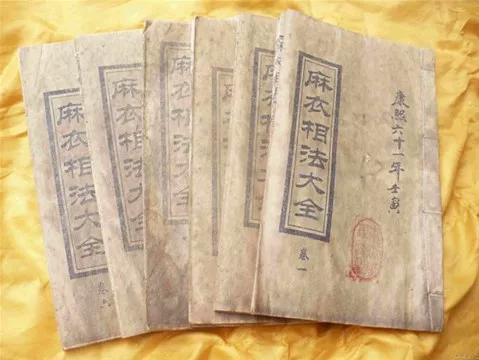
Physiognomy boasts a rich history, employing facial features to assess a person's fortune, wealth, and fate specifically. While it can outline aspects of one's character and destiny (though not with precision regarding great wealth or poverty), it offers clear insights for ordinary individuals. Consider the high-ranking officials and wealthy individuals around us—how many have low or pointed, small noses? And reflect on older women with prominent cheekbones; where do their husbands stand? Such observations are basic principles known in physiognomy. As Master Liu Heng states, a flat nose often signifies a spouse with limited ambition (women with flat, low noses may find their husbands facing challenges in achieving success), while high cheekbones and protruding teeth can contribute to marital discord (those with sharp, high cheekbones and misaligned teeth often encounter relationship struggles). Liu Heng elaborates on the physiognomic principles found in the "Shen Yi Fu" and shares insights with peers in I Ching studies.
Excerpts from "Shen Yi Fu" in Ma Yi Physiognomy
- A high and wide forehead is indicative of wealth and prominence.
- A square and rounded jawline suggests an accumulation of wealth.
- A face with a greenish tint denotes greed and solitude; a red nose signals ongoing struggles.
- A round and delicate face implies prosperity, while a square and relaxed face indicates stability.
- Large hands and feet may point to difficulties in acquiring wealth; well-aligned teeth and a full nose suggest enjoyment of land and property.
- Soft hands denote leisure and affluence; a palm with a blood-red hue signifies wealth and good fortune.
- Thinly tapering eyebrows suggest a life of contentment and joy.
- Three lines at the base of the nose imply a tendency toward extravagance.
Liu Heng's Commentary: The forehead symbolizes wealth and status. A high and broad forehead suggests a life close to wealth and societal standing, as it represents the "Palace of Official Position," governing a person's fortune and intellect. When saying "no loss of servants," it implies having many subordinates in official roles. A low, narrow, and sunken forehead indicates unfulfilled ideals. In youth, a high and broad forehead implies future affluence; when both high and wide, it suggests a stable position or elevated social status. A high but narrow forehead signifies risk alongside high rank, and a wide yet low forehead denotes practical experience without elevated status.
Liu Heng's Commentary: The jawline, comprising cheekbones and chin, signifies wealth and enjoyment of life. A square and rounded jawline, with well-defined cheekbones (avoiding visibility of the jaw behind the ears or a triangular face), denotes a person likely to hold an official position with perseverance. A rounded chin (avoiding sharpness) suggests power, leading to abundant wealth or influential social connections. (Relates to financial matters.) The jawline represents earthly wealth while the forehead signifies heavenly wealth; those bestowed with heavenly gains will be noble, whereas earthly gains equate to wealth. Having a square and rounded jawline naturally attracts prosperity, complemented by familial support ensuring the absence of want.
Liu Heng's Commentary: A greenish tone on the face hints at excess liver energy, often breeding dissatisfaction and a self-centered disposition, resulting in a life of poverty and misfortune from stubbornness. The nose tip, linked to the earth element, embodies tolerance and enjoyment. If it turns red or black, it indicates struggles without rewards. (Signifying material lack.) A greenish-black facial hue suggests loneliness and deficiency; it indicates stagnation leading to unfulfilled greed, thus relegating one to poverty. (The nose's earth elements house internal "fire." Fire within earth implies non-growth, culminating in a futile struggle.) A red nose from alcohol suggests deceitfulness.
Liu Heng's Commentary: A face devoid of distinct features, with small yet fine traits, may not promise great wealth, yet such individuals often exhibit cleverness, caution, and diligence, thus securing sustenance. A square face with pronounced features and a gentle demeanor denotes someone trustworthy in significant matters. Conversely, the cunning—while potentially born into poverty and struggles—might discover wealth later in life. A well-proportioned face with dignity and calmness implies stability and peace.
Liu Heng's Commentary: Large hands and feet with noticeable veins imply irritability and stubbornness, hindering wealth acquisition. Teeth reflect kidney health; well-aligned and dense teeth indicate robust kidney energy and intellect. A full and straight nose signifies talent and ambition. Those with dense teeth and a full nose often find themselves wealthy. This suggests that excessive shortness in features is unfavorable; large hands and feet with heavy limbs indicate poverty. Visible veins without flesh, paired with slow movement, foretell wealth elusiveness. Densely packed, well-aligned teeth and a substantial, complete nose suggest a life of comfortable ease.
Liu Heng's Commentary: The liver oversees tendons and nails; women with soft palms and solid grips manage households effectively, possessing a calm demeanor and leading lives of wealth. A bright and rosy palm suggests superior liver health, reflecting resourcefulness and ambition, heralding a rich and prosperous life. Hands should not be wide; breadth indicates labor and low tier, while smaller hands denote wealth acquisition. As Liu Heng notes, "Soft hands are enviable, and a palm like blood foretells endless fortune."
Liu Heng's Commentary: Eyebrows tapering at both ends suggest sharp, knife-like eyebrows. Men with such features are frequently clever and resourceful, whereas women with similar eyebrows often adopt more masculine roles, engaging in social work above domestic duties. Eyebrows rising at both ends denote an individual inclined towards enjoyment; they often take pleasure in leisure activities such as appreciating flowers and wine, leading to a joyful, conflict-free existence.
Liu Heng's Commentary: Horizontal lines at the nose root (area between the eyes) could predict divorce or financial loss during middle age. One, two, or three lines imply a lifelong inclination towards financial squandering. Broadly viewed, these lines may foreshadow conflicts with children, spousal harm, sibling loss, early parental death, and financial depletion.