Assessing Fate and Fortune: Liu Heng's Commentary on 'Shen Yi Fu' - Evaluating Wealth, Poverty, Longevity, and Early Death Through Mai Yi's Physiognomy
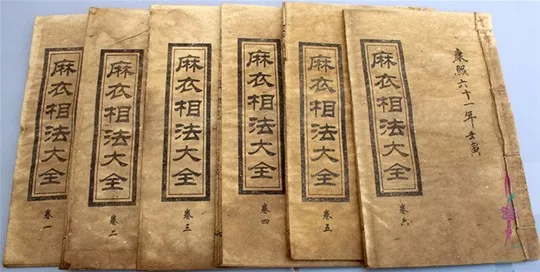
In the study of Bazi prediction, there is a notable term called “Shen of Food,” which many Bazi practitioners interpret as relating to culinary interests. However, Teacher Liu Heng provides a more accurate interpretation of this term. In ancient culture, “food” signifies nourishment and nurturing others. The “Shen” in “Shen of Food” reflects selflessness and dedication; thus, it denotes a generous and selfless giver. Correctly interpreting the “Shen of Food” in Bazi reveals insights into a person's character and mindset. Liu Heng carefully annotates the ancient physiognomy text “Shen Yi Fu.”
Original Text of “Shen Yi Fu”
Unraveling the secrets of physiognomy, particularly concerning longevity and premature death, is challenging; it isn't determined solely by facial features but by the spirit. Individuals with deep, warm eyes enjoy longevity and blessings, whereas those with shallow, dull eyes face early mortality. A thin, pale face indicates a depletion of liver energy, predicting a known lifespan by age thirty. A floating spirit and dark complexion suggest a fate determined by age forty-nine. Two lines under the neck indicate potential for recovery and a return to health. If there are ailments at the top of the bones, ultimately, hardships are avoided. Growth in bones and hair signifies changes in appearance; when facing challenges, outcomes can be foreseen, and misfortunes discerned. The bones grow with wealth, while flesh grows with fortune; illness arises from excess, and worries from overwhelming joy. Frequent bouts of illness indicate a heavy root; frequent encounters with good fortune suggest a broad and prosperous life.
Liu Heng's Commentary
In physiognomy, determining longevity is complex and not resolved by merely examining the central facial area. One must consider overall facial features and spirit. Those with deep, warm gazes truly enjoy blessings and long life, while shallow gazes and dull eyes signify a premature passing. A thin, pale face reflects depleted liver energy, indicating a lifespan determined by age thirty. A floating spirit and dark complexion predict a fate fixed by age forty-nine. Two lines under the neck hint at recovery from misfortune and a return to health, signaling longevity.
The term “top of the bones” refers to the head's crown, while “ailments” indicate the nose area. A prominent crown is crucial for longevity and is characteristic of long-lived individuals. Before gaining wealth, a woman's bones may develop after attaining status; before acquiring wealth, despite a good appearance, her bones may become more pronounced post-acquisition. Bones grow with wealth, while flesh grows with fortune. Illness results from excessive warmth, and joy can lead to worries. Scholars should analyze these signs carefully to determine fortunes and misfortunes.
Original Text of “Shen Yi Fu”
Deeply sunken tear troughs with flesh indicate lacking vitality; a drooping nose tip and flat philtrum suggest challenges in having children. Eyes that seem to cry without tears, or are water-filled while the heart remains untroubled, predict a lack of hardships ending in solitude in old age. A face resembling orange peel foretells poverty; even with charm, one may still have children late in life.
Liu Heng's Commentary
Deeply sunken tear troughs with flesh or grid patterns, alongside a flat philtrum, signal difficulties in having offspring. As the ancients noted, good deeds lay foundations for prosperity, while evil thoughts invite infertility. Eyes that appear tearless yet watery reveal liver energy deficiencies affecting emotions; a face with furrowed brows, despite no emotional disturbances, indicates difficulties bearing children, leading to solitude in old age. A suffering heart, under punishment and loneliness, is heavy. A hair-covered face resembles poor appearance. The saying goes: “A face like orange peel signifies certain solitude; even if one has a child, they may have multiple partners.” A delicately spirited appearance akin to peach blossoms may lead to delayed children for those indulging in desire. As the ancient text states: “The color of peach blossoms tempts and leads to indulgence in wine and mistresses. Is this true? Surely, children will arrive late.”
Original Text of “Shen Yi Fu”
Broad, drooping shoulders signify loneliness unless accompanied by wealth; a low nose points to early death unless accompanied by poverty. Wealth and status often bring labor and hardship, while poverty results in lifelong toil and a rough physique. Lost stars signal lack of support; without stored grain, lifelong struggles ensue.
Liu Heng's Commentary
Broad, upright shoulders suggest deficient heart and lung energy, indicating a lack of principles and insight in actions. Men with soft voices and women with harsh voices are often lonely or impoverished. A flat, low nose indicates indecision, hinting at poverty or potential harm to one's spouse.
(In heaven, the sun and moon are the eyes; in humans, the eyes serve the same purpose.) Dim eyes or a less prominent nose indicate lost stars; similar rules apply to other features. A high forehead is ideal but, if low, and a thick chin, if thin, indicate lacking support. Such features portend a life of poverty and hardship with no stored grain. All these facial characteristics suggest a destiny of solitude and poverty; reading and self-cultivation are advised to change one's fate.