Mai Yi Xiang Fa: Shen Yi Fu with Commentary by Liu Heng - Radiant Aura, Wealth, and Contentment
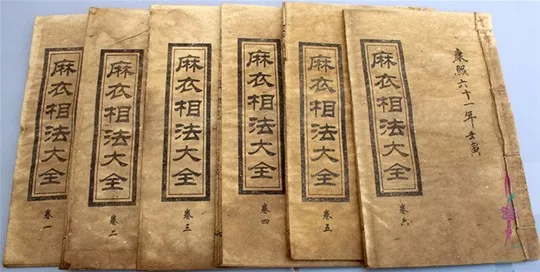
The ancient Chinese culture is rich and deeply rooted, with the philosophies of the I Ching distinctly standing out as its core—unsurpassed by any other tradition. According to Teacher Liu Heng, the culture of the Zhou Yi is both profound and expansive, encompassing theories of astronomy, geography, and societal concepts. The foundational academic framework of the I Ching includes Yin and Yang, the Three Forces, the Five Elements, and the Eight Trigrams. The Five Elements—Metal, Wood, Water, Fire, and Earth—represent ancient perceptions of the universe and life. In terms of Earth's natural laws, they correspond to Spring (Wood), Summer (Fire), Late Summer (Earth), Autumn (Metal), and Winter (Water). From a Confucian standpoint, they represent virtues: Wood symbolizes benevolence, Fire signifies propriety, Earth denotes integrity, Metal stands for righteousness, and Water embodies wisdom. Below is Teacher Liu Heng's summary of the ancient physiognomy work "Shen Yi Fu" from "Ma Yi Shen Xiang," along with detailed annotations.
Original Text of "Shen Yi Fu" from Ma Yi Physiognomy
- If sideburns are sparse, one may gain wealth first but later face poverty; if muscles are like coiled worms, leisure will be scarce and misfortune frequent.
- A prominent brow ridge suggests longevity but loneliness; a knot under the throat indicates one may be childless and die far from home.
- Eyes like a chicken's denote impatience and intolerance; a snake-like walk implies a toxic nature and a short life.
- A blue hue across the face is called a "walking corpse"; a black hue in front of the ears is an omen of death.
- Blue corners of the mouth are hard to heal; if blackness covers the sun, even Lu cannot save you.
- A face as white as a withered bone indicates imminent death; black like damp ash signifies a short life.
- Persistent poverty is linked to a face full of sorrow; proneness to early death is said to come from a thin and sharp mountain root.
- Few illnesses in life are due to "moonlight"; reaching old age without disaster typically results from a prosperous year palace.
- Lack of facial color means little success and much worry; walking without moving the body promises wealth and longevity.
- Divine light on the face brings wealth and honor; a ghostly color signals poverty and sorrow.
- If illness clouds the eyes, those with spirit but no color will live; if the spirit escapes and the mouth opens, a tilted heavenly pillar means death.
Annotation by Liu Heng: Sparse sideburns and coarse, straight hair indicate a lack of responsibility at work and impulsive behavior, leading to initial wealth but eventual poverty. A face with visible veins suggests a hurried liver qi, quick gains, decisive actions without room for negotiation, and a life fraught with challenges. If sideburns are untidy like a tangled mess, it indicates laziness; even with excess wealth, it will eventually be wasted, resulting in poverty and family hardship. A pale and weak appearance of the head, face, hands, and feet, with chaotic angles, is called "coiled worms," signifying a life of hardship and toil, making misfortune difficult to avoid.
A prominent brow ridge indicates a person who is self-reliant and straightforward, advancing but not retreating, with a proud and solitary nature; although they may live long, they will be lonely. A pronounced Adam's apple suggests an impatient heart, making it difficult to have descendants, often leading to a life of wanderings and dying far from home. A high, steep brow, while peculiar if singularly raised, indicates longevity but loneliness, as expressed: "A toothy throat leads to no children, solitude, and poverty, dying in a foreign land."
Small, round, yellow eyes and a knife-like nose suggest impatience and selfishness, unable to accommodate others; a short lower body and long upper body with a swaying gait suggest deep schemes, cruel thoughts, and a short lifespan. Referred to as "chicken eyes," they indicate impatience and promiscuity, yet their sincerity can be trusted. If one walks with a bent gait, involving the head, hands, and feet, it is described as "snake-like," suggesting a light-hearted yet cruel nature, making longevity unlikely.
Annotation by Liu Heng: The blue hue across the face refers to the eye sockets, cheekbones, and nose bridge. If these areas appear dark blue with rising water vapor, it signals failing liver and kidney qi, foretelling serious illness or disaster, hence "walking corpse." The ears, as the external openings of kidney qi, when appearing smoked-black, and in severe cases, a face that is gray-black, indicate an approaching end, with failing kidney qi and impending death. Blue hue signifies death energy; blue energy on cheekbones and eyes indicates approaching disaster or illness, hence "walking corpse."
The spleen opens to the lips; dark blue or black corners of the mouth indicate severe spleen and stomach illness, depleting postnatal essence and making eating impossible, making even divine doctors powerless. Black covering the sun—where "sun" refers to the cheekbones, as the small intestine meridian flows along them—signifies natural death. Another interpretation suggests that if both corners are dark blue or black, it is an ominous sign, likely leading to death. "Sun" also refers to the eyes. Even the renowned divine doctor Bian Que cannot save someone if black energy covers the eyes.
Annotation by Liu Heng: A face pale like a withered bone suggests internal cold and lung disease, implying a short life; a gray-black face with external dampness indicates certain short lifespan. If a patient has a white hue like a withered bone, they are destined for death; even with the skill of a divine doctor, there's little hope. Black energy, like damp ash, covering the face means they are beyond saving; survival is unlikely.
A life rife with poverty and hardship often shows a face full of sorrow. The heart reflects on the face, leading to a gaunt appearance and making decline unavoidable. A perpetually weeping face, crying without tears, indicates a life filled with poverty and hardships, as expressed in: "Not drunk yet seems drunk, not awake yet seems awake; joy and happiness will eventually cease." This refers to lifespan and the root of the mountain, said to be thin and sharp, indicating illness and early death.
Annotation by Liu Heng: The "moonlight" refers to the area above the nose and the longevity aspect (the bridge of the nose). A bright and moist nose bridge suggests relaxed liver qi and a cheerful disposition, indicating a lengthy life without disasters or illness. The longevity aspect, or "moonlight star," should be abundant and bright for a life with few ailments.
If the spleen and stomach are disharmonious, blood cannot nourish the face; the stomach governs blood production, so a lack of facial color often results in delirium and little joy, filled with worries. Walking steadily without swaying indicates determination, heralding wealth and longevity. Another interpretation states blood is guided by qi, and qi is the spirit of blood; lacking blood luster leads to insufficiency and setbacks. Walking without swaying is called "dragon gathering," and sitting still as "tiger sawing," which signals wealth and longevity.
A face with bright red and yellow hues indicates harmony in the five organs, leading to a naturally fulfilling life. Conversely, legend suggests ghosts have blue faces and sharp teeth, denoting anger and a blue face with teeth, leading to poverty and suffering. Divine light signifies red-and-yellow hues; yellow indicates wealth and stability, offering satisfaction, while ghostly colors are dark blue-black, leading to increased poverty and sorrow.
If a gravely ill person cannot open their eyes but retains their spirit, they will survive. If, however, the spirit has escaped, the mouth remains open, and the heavenly pillar is tilted, recovery is unlikely. A tilted heavenly pillar usually foretells death. An enduring illness, closed eyes, and a person with spirit but no color will survive, free from disaster. Yet, without divine light in the eyes and a tilted heavenly pillar, death is certain, regardless of facial regularity.