The Mysteries of Western Tarot Divination
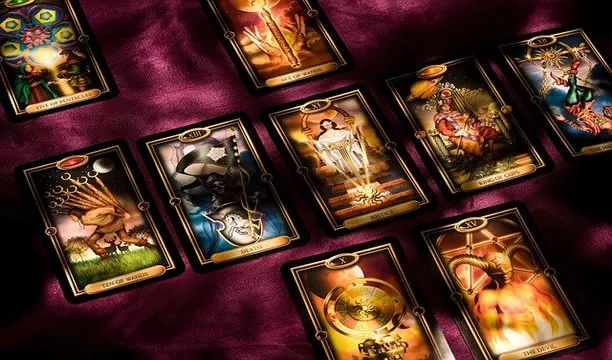
Image source: Pixabay
Tarot cards are often seen as a distillation of Western wisdom—an ancient system for exploring the changes of the universe and human life, rich with the essence of Western art and culture.
- They can offer insights into your life, love, and future;
- They can also delve into a person’s inner world, uncovering hidden psychological patterns and directions for spiritual growth;
- They can illuminate the mysterious spiritual realm, opening the door to the subconscious through symbolic imagery. With these archetypal hints, people can recognize their strengths, move beyond limitations, and guide their thoughts and actions toward a more positive, brighter path, bringing harmony and balance to their inner and outer worlds.
The term “Tarot” is sometimes said to come from the Egyptian words tar (path) and ro (king), meaning “royal path.” In this telling, “Tarot” symbolizes the sound judgment a ruler should possess and is linked to the origins of this divination practice. Tarot is an ancient tool whose beginnings are shrouded in mystery. Many scholars of mysticism have searched for clues, giving rise to multiple interpretations...
- Some say it originated in Egypt, where it is taken to mean “sacred journey” and is connected to the god of wisdom and magic.
- Others claim it comes from ancient Rome, relating it to the Latin idea of the “wheel of life.”
- Some believe it has Hebrew roots, linking it to the Jewish concept of “law.”
- Others suggest a Persian connection, noting that in Romani it means “playing cards,” and that the Romani (Gypsies) brought the term “Tarot” to Europe.
- Some trace it to ancient India, where deities hold symbolic items—cups, scepters, swords, and rings—that resemble Tarot suits.
- Still others point to China, where card-like games were printed on paper currency during the Tang Dynasty and may have been used for entertainment by court wives and concubines.
Whatever the origin, one thing is clear: the Tarot is a compendium of ancient wisdom expressed through imagery.
According to legend, the original “Tarot” was not a deck of cards but a mystical text called the “Book of Thoth,” used to convey the will of the gods. When ancient pharaohs faced uncertainty, they consulted this book and found solutions. (Note: Thoth is the god of wisdom and learning.) Later, as the Egyptian dynasty neared collapse, to prevent the book from falling into foreign hands, its teachings were illustrated on cards and entrusted to priests. The tradition eventually reached Europe through Alexander, and by the medieval period the Tarot deck as we know it had begun to take shape.
Tarot cards flourished in the medieval West, appearing widely in illustrations and books and being used by both nobility and commoners. With the rise of the Church, however, Tarot came to be seen as a symbol of pagan magic and was suppressed. Even so, the Tarot endured under the protection of those who valued it, continuing to reveal its mysteries to the public.
A Tarot deck consists of 22 illustrated cards (the Major Arcana) and 56 numbered cards (the Minor Arcana), seventy-eight cards in total, each with its own imagery and meaning. Readings arrange the cards in a particular layout (a “spread”) and interpret them by position.
We can seek guidance on matters such as love, health, wealth, and marriage. Tarot can shed light on almost any situation—especially when you’re unsure what to do—offering practical direction. The messages revealed in a reading are ultimately for you to recognize, unlocking the Tarot’s ancient wisdom.
You can think of Tarot as a map, illustrated with symbols and signs that mark milestones on your inner journey. Used skillfully, it can provide profound insights into the unknown.
Traditional Tarot divides the seventy-eight cards into twenty-two Major Arcana (numbered 0 to 21), sixteen court cards, and forty pip cards within the Minor Arcana.
The Major Arcana address significant themes and pivotal situations in life, offering high-level, universal teachings that speak to your most important questions right now.
The court cards generally represent important people or roles in your life. They can point to lessons you need to learn and highlight particular qualities or forms of wisdom you’re being called to develop.
The Minor Arcana deal with more immediate concerns and day-to-day matters. They are divided into four suits, each containing fourteen cards:
- Wands, governed by the element of fire. These cards represent creative energy, drive, inspiration, intuition, and action—the assertive (yang) principle.
- Swords, governed by the element of air. They reflect thought, analysis, truth, communication, decisions, and conflict—the realm of the intellect.
- Cups, governed by the element of water. This suit speaks to emotions, love, relationships, intuition, and the flow of feeling and creativity.
- Pentacles, governed by the element of earth. These cards point to the material and physical world—health, the body, work, resources, property, scarcity, and wealth—where the outer reflects the inner.
Each Tarot card is a symbol that points to your inner thoughts, subconscious motivations, hidden fears and desires, as well as your personality, long-term path, and vulnerabilities.
Each Tarot card also depicts a journey—one that includes joy, pain, hope, change, and rebirth—mirroring the experiences of life in body, mind, and heart.
Each Tarot card reflects an archetype, such as a warm, loving mother; a traditional, upright spiritual leader; an indomitable warrior; or a wise hermit. They represent real people—and aspects of yourself.
Each Tarot card holds multiple meanings. For example, The Lovers can signify romance as well as choices in relationships—both tangible love and spiritual love. Likewise, The Chariot points to victory and conquest, as well as power and conflict.
Every card also contains both constructive and challenging implications, which can be emphasized by whether the card appears upright or reversed. For instance, The Moon upright can reflect ideals or inspiration, while reversed it can indicate confusion; The Devil upright can point to temptation and descent, while reversed it can suggest release from bondage.
The twenty-two Major Arcana represent different stages of life, each with its own lessons. These stages include:
- (The Fool) The Fool: Embarking on life’s journey with innocence and fearlessness.
- (The Magician) The Magician: Learning the art of creation and communication.
- (The High Priestess) The High Priestess: Brimming with confidence, insight, and inner knowing.
- (The Empress) The Empress: Cultivating love, abundance, and wisdom.
- (The Emperor) The Emperor: Exercising leadership and offering direction.
- (The Hierophant) The Hierophant: Pursuing faith and living one’s beliefs.
- (The Lovers) The Lovers: Developing and defining relationships.
- (The Chariot) The Chariot: Overcoming obstacles and achieving victory.
- (Justice) Justice: Acting with fairness and integrity.
- (The Hermit) The Hermit: Turning inward for reflection and contemplation.
- (The Wheel of Fortune) The Wheel of Fortune: Embracing change and rising with the turning of fate.
- (Strength) Strength: Persevering and harnessing inner power.
- (The Hanged Man) The Hanged Man: Choosing sacrifice and dedication.
- (Death) Death: Endings and the completion of a chapter.
- (Temperance) Temperance: Releasing the past and maintaining balance.
- (The Devil) The Devil: Facing danger or the heart’s shadow side.
- (The Tower) The Tower: Breaking free from constraints and finding joy.
- (The Star) The Star: Kindling the flame of hope.
- (The Moon) The Moon: Pursuing dreams.
- (The Sun) The Sun: Achieving success.
- (Judgement) Judgement: Exercising wise judgment.
- (The World) The World: Bringing forth a beautiful new world.