What the Half-Moons on Your Nails May Reveal About Your Health
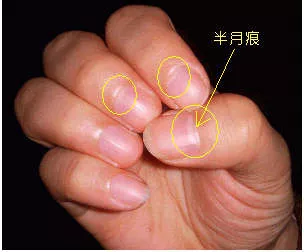
Changes in your internal organs can be reflected in your nails. By paying attention to subtle nail changes, you may gain clues about overall health. The white crescent at the base of the nail is called the lunula, also known as the health circle. Ideally, the lunula should cover about one-fifth of the nail. When all fingernails show a clear, properly sized lunula, it suggests good health; if the lunula is too large, too small, or barely visible, it may point to potential issues. An overly large or absent lunula can indicate a risk of high blood pressure or stroke. Conversely, a very small lunula may suggest low blood pressure. If all ten fingernails show little to no lunula, it is often linked to anemia or nervous exhaustion and may also reflect fatigue or illness. In real life, things are more complex: lunula visibility can fluctuate due to nutrient deficiencies, and lack of sleep can play a role as well. Below, we’ll help you explore what your lunula may be revealing!
I. What is the Lunula?
The lunula is the white crescent at the base of the nail, typically covering about one-fifth of the nail. It is sometimes called the "little sun." In Traditional Chinese Medicine (TCM), the lunula marks the boundary of the yin and yang meridians and symbolizes vital energy, which is why it’s also called the health circle. The lunula’s development is influenced by nutrition, environment, and overall condition. When digestion and absorption are poor, the lunula may become faint, shrink, or even disappear.
II. The Role of the Lunula
According to TCM, "Nails reflect the tendons; they are the surplus of blood, with energy returning to the liver as blood, to the kidneys as essence, and to the bones as marrow." This speaks to the origin of essence. Essence is where vital energy resides, and the information shown by the lunula reflects the state of vital energy and blood, underscoring its significance.
The Functions of Vital Energy
- Nourishes the internal organs.
- Promotes normal circulation of energy and blood throughout the organs.
- Defends against external pathogens (supports immunity).
- Supports longevity and healthy aging.
- Represents genetic material.
A TCM saying goes: "Those with abundant essence are strong; those with weak essence fall ill; those with little essence age; and those who exhaust their essence die." This highlights the importance of essence and vital energy. In daily life, timely restoration of energy and good maintenance practices are beneficial for health. When energy is insufficient, the first key nutrient to replenish is protein.
TCM states: "Insufficient essence and blood should be supplemented with flavor." In other words, increase protein intake. The best sources are neutral in nature, such as dairy, eggs, legumes, fish, black foods (which nourish the kidneys), seeds, and embryonic foods. With consistent intake for about a month, the lunula may reappear, signaling recovery of energy.
III. Normal Lunula
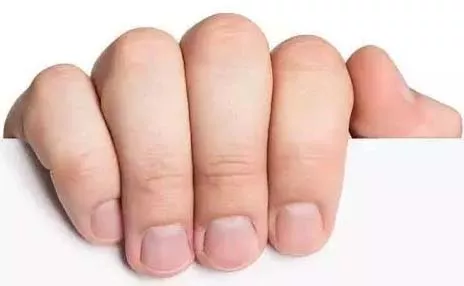
- Number: Ideally, there should be 8–10 lunulae across both hands.
- Size: The lunula should cover about one-fifth of the nail.
- Color: The lunula should be milky white; the whiter it is, the stronger the vitality it suggests.
IV. Abnormal Lunula
1. Few Lunulae
The fewer the lunulae, the weaker the vitality and the colder the body tends to be, indicating reduced immunity and cold hands and feet.
2. Three Types of Abnormal Lunulae
- Cold Type: Fewer or absent lunulae indicate a cold type. This suggests weak yang energy and strong yin cold, leading to low organ function, sluggish energy and blood circulation, fatigue, poor absorption, pale complexion, cold extremities, anxiety, drowsiness, frequent colds, and a gradual decline in vitality and constitution, potentially progressing to phlegm-dampness, qi stagnation, blood stasis, and tumors.
- Heat Type: A lunula on the little finger indicates a heat type. In this case, lunulae are larger than one-fifth of the nail. An enlarged lunula reflects strong yang energy and robust organ function, but pathologically it suggests excessive yang, with symptoms such as a flushed face, heat sensations, irritability, constipation, quick temper, dry mouth, large appetite, heat intolerance, hyperactivity, and even high blood pressure, high blood sugar, and increased stroke risk.
- Mixed Cold and Heat Type: When lunula borders are unclear and the color approaches that of the nail, it points to a mixed cold-heat pattern or yin-yang imbalance. Early on, the edges blur and look glossy; in the middle stage, the lunula begins to shrink; later, it gradually diminishes and disappears.
3. Area of the Lunula
- If the lunula covers less than one-fifth of the nail, it suggests insufficient energy and poor digestion and absorption. A lunula that suddenly darkens, shrinks, or disappears often signals a consumptive condition, tumor, or bleeding. Children do not have lunulae before development. Adults with excessive nightlife or sexual activity may also lose their lunulae, which can be difficult to restore.
- If the lunula is larger than one-fifth, it often indicates myocardial hypertrophy and a higher risk of cardiovascular disease, hypertension, and stroke.
4. Color of the Lunula
- Milky white—indicates normal health; such individuals tend to have strong vitality and a solid constitution.
- Gray—indicates weak essence that affects digestive absorption, making anemia and fatigue more likely.
- Pink—similar to the nail color, indicates reduced organ function and excessive energy consumption, increasing the risk of diabetes and related conditions.
- Purple—indicates poor cardiovascular circulation with inadequate blood and oxygen supply, leading to dizziness, headaches, and cerebral arteriosclerosis.
- Black—often seen in severe heart disease, tumors, or with long-term medication use causing drug and heavy metal poisoning.
V. The Relationship Between the Lunula and the Fingers
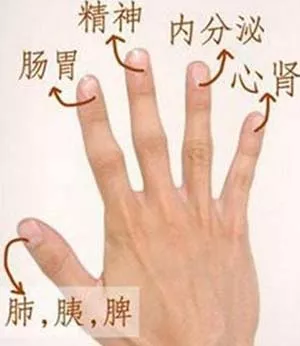
1. Thumb Lunula—Related to Lung and Spleen
If pink, it indicates poor pancreatic function, with frequent colds and fatigue, and in severe cases, diabetes.
2. Index Finger Lunula—Related to the Digestive System
If pink, it suggests poor circulation in the stomach and large intestine, naturally leading to reduced appetite.
3. Middle Finger Lunula—Related to the Pericardium and Mental State
If pink, it indicates excessive mental stress, which can cause dizziness, headaches, unclear thinking, brain pressure, insomnia, and vivid dreams.
4. Ring Finger Lunula—Related to Endocrine System
If pink, it indicates abnormalities in the triple warmer meridian associated with the ring finger, leading to reduced constitution, yin-yang imbalance, and general discomfort; women may experience menstrual irregularities and other gynecological issues.
5. Little Finger Lunula—Related to Heart and Kidney
The little finger typically has difficulty developing a lunula; when present, it often indicates a heat condition. If it appears red, it increases the risk of severe heart disease.