Di Tian Ju Shi: How Palmistry Can Reveal Your Health
3K views
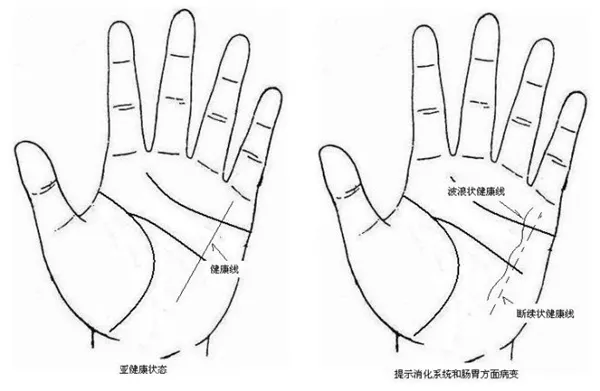
There is a line on the palm known as the health line, which runs from the center of the palm towards the little finger. This line is believed to reflect an individual's health and lifespan, and it may also suggest their academic performance and level of knowledge.
- If the health line is broken or appears segmented, it may indicate a weak constitution and suggest a decline in digestive function. A wavy health line could signal deteriorating liver or gallbladder function, and it might also suggest the presence of rheumatic diseases.
- If the palm appears noticeably pale, there are two possible explanations: one is frequent consumption of cold foods, leading to an excess of cold in the body, yet the individual still has a strong preference for such foods; the other is that the body is already cold and cannot tolerate cold foods, resulting in significant gastrointestinal discomfort, including stomach pain and diarrhea, indicating a weakened spleen and stomach.
- A noticeably red palm suggests a deficiency of yin accompanied by excess internal heat, leading to a quick temper and irritability. If only the area at the base of the thumb (the thenar eminence) is red, it typically indicates excess heat in the upper body, potentially leading to high blood pressure and heart disease, along with a propensity for irritability.
- Fewer visible veins on the palm generally indicate better health; visible veins at the base of the thumb, however, suggest arterial sclerosis of the heart. The thicker the veins, the longer and more serious the condition may be, often resulting in chest discomfort. If veins are visible on the outside of the thenar eminence, it suggests arrhythmia with irregular heartbeats that can be accompanied by palpitations and anxiety. Veins at the bottom of the thenar eminence may indicate the presence of cold and dampness affecting the heart and joints, often associated with lower back pain and joint discomfort.
- Visible veins on the outer side of the index finger, especially if long and dark, may suggest that the person experienced poor health during childhood, with poor nutrition and digestive function, leading to frequent illnesses and a frail constitution.
- Visible veins in the middle of the middle finger can indicate frequent headaches and dizziness. If veins also appear on the outer side of the thumb, it may suggest a history of headaches and dizziness dating back to childhood.
- Veins at the base of the middle finger may point to cerebral artery sclerosis. If they only appear on the left side (the side closer to the thumb), it signifies left-sided cerebral artery sclerosis; if on the right side, it indicates potential discomfort on the right side of the head; and if veins are present on both sides, extra caution is advised.
- Visible veins on the outer side of the little finger suggest a congenital deficiency in kidney energy, along with weakness and soreness in the lower back and legs. The longer and darker the veins, the more serious the condition might be.