Understanding the Fascinating Facial Changes that Reflect Your Health
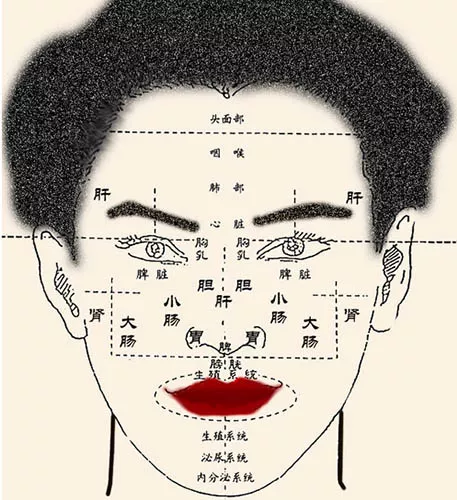
Changes in Facial Features and Health
- Sudden blurriness in vision could signify weakened liver function.
- A reduced sense of smell may indicate weakened lung function.
- Numbness in the lips can be a sign of weakened pancreatic function. If the stomach is compromised, the lips may become dry or cracked.
- Difficulty hearing may signal weakened kidney function. Individuals with kidney issues, especially those who are less active, should be particularly attentive.
- A dulled sense of taste and inability to discern flavors might indicate weakened heart function. When the mouth feels dry and food seems flavorless, it is prudent to consider potential heart issues.
Signals of Illness from Facial Discomfort
The facial features are essential indicators of overall health, closely linked to internal organs. Discomfort in these areas suggests that the organs may be losing function, potentially leading to illness.
- Frequent blurriness in vision, dry eyes, and difficulty seeing clearly could be early signs of liver dysfunction. Pressing around the liver area might reveal a sensation of swelling. Alongside consulting a healthcare professional promptly, it's important to maintain good eye hygiene and avoid excessive eye strain, as misuse can also affect the liver.
- Constant ear ringing and hearing difficulties may indicate gradual kidney decline. This might be accompanied by symptoms like foot pain, lower back pain, and frequent urination. Those who work excessively hard should ensure a balance between work and rest, avoid overexertion, and limit alcohol and spicy foods.
- A decreased sense of smell, frequent coughing, and at times difficulty breathing might suggest weakening lung function. Patients should be mindful of their diets, quit smoking or limit exposure to heavy smokers, and increase intake of fresh fruits and vegetables, along with regular exercise, to help prevent lung issues.
- Numb lips, reduced appetite, and noticeable weight loss may point to declining pancreatic function, often due to dietary imbalances and irregular eating habits. Poor pancreatic function can adversely affect the stomach, resulting in dry, cracked lips. Adjusting the diet and avoiding cold and greasy foods are important steps to take.
- A dulled taste, inability to distinguish flavors, along with palpitations, vivid dreams, and insomnia, may hint at heart function damage, often caused by overwork. A dry mouth, thick tongue coating, and flavorless food should alert you to potential heart disease risks.
The Functions of Facial Features and Their Relationship with Internal Organs
Facial features significantly contribute to an individual's appearance and attractiveness, closely related to the internal organs. Here's an overview of these connections:
- Nose: The nose is integral to respiratory function, serving as a passageway and has a ventilatory role. The lungs govern breathing, making the nose the "orifice of the lungs." The nose's ventilation and olfactory functions tie directly to lung function. When lung energy is sufficient, breathing is smooth and the sense of smell is sharp; when deficient, symptoms such as nasal congestion and poor sense of smell occur.
- Eyes: Eyes provide vision, with the liver opening to the eyes and storing blood. Normal liver function allows clear vision. If liver energy is stagnant or blood supply insufficient, eyes may become dry and vision impaired. Adequate energy from the internal organs maintains normal visual function; insufficient energy affects eye physiology.
- Mouth: As the entrance to the digestive tract, the mouth connects to the spleen, which governs digestion. A strong spleen results in a good appetite and a healthy mouth. If the spleen isn't functioning properly, it can lead to issues like mouth sores or bad breath.
- Ears: Ears serve as the organs of hearing, with the kidneys storing essence and opening to the ears. Hearing function relies on nourishment from kidney essence. Abundant kidney essence ensures sharp hearing; insufficient essence leads to hearing loss and signs of premature aging.
- Tongue: The tongue, critical for speech, is associated with the heart. The heart governs blood vessels; heart energy and blood nourish the tongue, supporting its normal function. When heart blood is ample and energy strong, the tongue moves freely, and speech is clear. Conversely, if heart blood is stagnant or energy lacking, tongue stiffness and unclear speech may occur.
In summary, any discomfort in facial features reflects an imbalance in corresponding internal organs. From a traditional Chinese medicine perspective, the healthy functioning of internal organs is key to delaying facial aging, preventing beauty-related issues, and maintaining health and attractiveness. Therefore, nurturing the internal organs and ensuring their optimal performance is essential for beauty.
If you experience discomfort or notice changes in your appearance, it may be your body's way of signaling distress from internal organs. Do not ignore these signs or you may regret it later.
The Relationship Between Internal Organs and Facial Features
Internal organs like the heart, stomach, and kidneys have specific "connections" to various facial areas. The health of these organs reflects on your face, highlighting the importance of diet in beauty care.
- Increased forehead wrinkles can indicate an overburdened liver; quitting alcohol and drinking at least 3 liters of water daily is recommended. A small dietary change, like skipping lunch, may also help.
- Short horizontal lines on the forehead can be signs of nervous exhaustion, depression, or anxiety.
- Lines between the eyebrows may suggest poor sinus health.
- Dark circles under the eyes and a dull complexion could indicate an overburdened kidney; consider reducing salt, sugar, and coffee intake, while increasing carrots, radishes, and dandelions.
- Pronounced eye bags suggest the need to support kidney health.
- Multiple wrinkles on the upper eyelids may reflect poor heart health.
- Numerous crow's feet at the eye corners are associated with hearing loss and migraines.
- A grayish tint to the cheeks can indicate poor lung function and lack of oxygen; regular park walks, jogging, and increased consumption of green vegetables, protein, minerals, and dietary fiber are recommended.
- Diagonal cheek lines might suggest high blood pressure, warranting a check-up.
- Excessive chocolate and sweets can cause red blood vessels on the nose tip; consider switching to healthier snacks like nuts, fruits, and yogurt.
- A persistently red nose can indicate an overburdened heart; it's important to relax, rest, and avoid fatty foods and smoking.
- Wrinkles on the nose bridge might point to bladder and kidney issues.
- Swelling of the upper lip is often due to stomach spasms; consuming potatoes can help warm the stomach, benefiting lip care.
- Lines at the corners of the mouth and deep chin lines may suggest gastrointestinal issues.
- Deep neck wrinkles could indicate cervical spine and metabolic system problems.