Health Insights from Facial Features: The Mouth
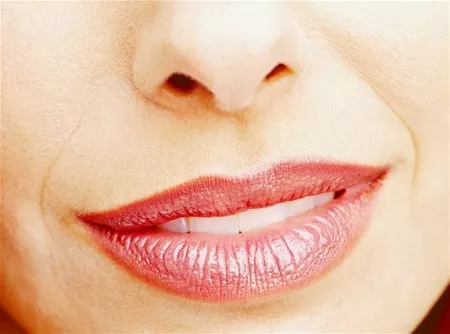
In physiognomy, the mouth is believed to relate to a person’s wealth and longevity and to mirror overall health. By observing the shape and color of the philtrum, lips, teeth, and tongue, one may infer the condition of organs such as the heart, liver, spleen, stomach, kidneys, and reproductive system.
1. Philtrum
In this tradition, the philtrum corresponds to the spleen. When the spleen is compromised, it is said to show in the philtrum. If the spleen and kidneys are weak, the philtrum’s muscles may look relaxed and limp. If the spleen and stomach are weak, the philtrum may appear yellowish.
The philtrum should not be short and flat. One situation is when the distance between the nose and mouth is so short that the philtrum is barely visible; another is when it looks flat with no definition. Both are viewed as signs of a shorter life. There is no absolute standard for philtrum length: some people have a shorter philtrum that is well-defined and deep, clearly visible from the front, which is considered favorable. Others have a longer, wider philtrum; as long as it isn’t overly flat and has some fullness, they may still enjoy a considerable lifespan. When the following changes appear in the philtrum, they may suggest issues in certain parts of the body. If you feel unwell, get checked at a hospital for early prevention and treatment.
- A flat philtrum suggests weaker reproductive function and frequent stiffness in the shoulders and neck.
- A pale philtrum with a dark red upper lip points to damp-heat in the stomach and cold deficiency in the large intestine, often accompanied by lower back pain.
- A pale philtrum with slightly pale lips suggests cold stagnation in the abdomen, with a higher likelihood of discomfort in the waist, shoulders, and back.
- If the areas on both sides of the philtrum feel rigid and the tip of the nose is off-center, it may indicate an issue in a thigh. If the nose tilts left, the left leg may be affected; if it tilts right, the right leg may be affected.
- Rigidity on both sides of the philtrum suggests poor circulation in the abdomen. If the left side is rigid and dark, the risk of malignant disease on the left side of the abdomen is considered higher; if the right side is rigid, it suggests weaker circulation on the right.
- In women, a bluish tint in the philtrum often points to cold-type dysmenorrhea; redness near the lips often suggests blood heat and heavy bleeding; pallor near the tip of the nose often indicates qi deficiency with excessive bleeding.
- In men, a blackish-blue tint in the philtrum often suggests prostatitis or related issues; if the philtrum’s color lightens and the groove becomes shallower, it may indicate problems such as impotence or nocturnal emissions.
2. Lips
According to Suwen: Five Organs Generation, “The spleen governs flesh, and its manifestation is the lips,” meaning the lips reflect the state of the spleen. Changes in the lips often hint at digestive health. From color to shape, the lips can signal the condition of the spleen and stomach. Experts note that rosy, full, properly moisturized lips suggest strong spleen and stomach function. Conversely, when the stomach is compromised, the lips often become dry and numb. Observing lip color can also give a general sense of how well the internal organs are functioning.
- Dark red lips indicate excess internal heat (“fire”). The deeper the red, the stronger the internal fire.
- Pale lips suggest insufficient qi and blood, pointing to a weaker constitution and lower resistance, making one more prone to colds and illness.
- Blue-black (purplish) lips indicate significant blood stasis and qi stagnation.
- A dark ring around the lips points to pronounced dampness in the body and may also suggest spleen and kidney deficiency.
- Cracks at one or both corners of the mouth indicate yin deficiency of the spleen and stomach.
- Bluish-purple lips (cyanosis), especially with a dark red or pale face, chest tightness with stabbing pain, and shortness of breath, indicate oxygen deficiency or possible drug poisoning and require immediate medical attention. During a heart attack or stroke, the lips may also appear bluish-purple.
- Blackened, dry lips with tight shoulders, bad breath, and nasal congestion may suggest changes in the large intestine. If black deposits are present, consider chronic adrenal insufficiency, gastrointestinal polyps, or signs of syphilis.
- Pale, bluish upper lips indicate cold deficiency in the large intestine, often with chills and alternating hot and cold sensations. Pale lower lips indicate cold deficiency in the stomach, often with vomiting and diarrhea. Additionally, women with anemia or reproductive system issues may also have pale lips.
- Chapped lips in winter indicate dehydration; increase intake of fruits, vegetables, and vitamin B–rich foods. Chronic gastritis or pneumonia can also cause dry, cracked lips, sometimes with small bumps around the mouth.
- A cracked right corner of the mouth suggests avoiding alcohol and eating a lighter diet; a cracked left corner with bumps suggests excessive sugar intake and the need to cut back on snacks and sweets.
- Thinner upper lips may indicate a constitutionally weaker heart; thinner lower lips may indicate a constitutionally weaker stomach. Short, retracted lips suggest poor spleen function. Thickened lips may point to inadequate thyroid hormone secretion.
3. Tongue
In traditional Chinese medicine, the tongue is divided into the tip, middle, root, and sides, with the five organs reflected in these regions: heart and lungs at the tip; liver and gallbladder on the sides; spleen and stomach in the middle; and kidneys and bladder at the root. Thus, excessive heart fire often shows as a red tip, while excessive stomach fire can appear as a yellow coating in the middle. A thick coating suggests poor gastrointestinal function or overeating; a thin coating—often seen in spring and fall—suggests lowered immunity. A yellow coating can signal a cold, calling for warmth and increased warm water intake to help prevent colds. A gray coating points to congenital weakness combined with heat conditions or prolonged illness. A black coating is often seen in late-stage lung and gastrointestinal cancers; some chronic conditions, such as uremia, may also present with a black coating during deterioration. Additionally:
- If the tongue cannot taste, along with palpitations, vivid dreams, and insomnia, heart function may be compromised; if the mouth is dry with a thick coating or tongue sores that don’t heal, be especially mindful of heart disease.
- A smooth tongue surface without coating can be a precursor to peptic ulcers; teeth marks along the sides indicate qi deficiency, often with fatigue and insomnia.
- A slightly purple tongue due to a high load of blood “waste,” along with shoulder stiffness and lower back pain, suggests excessive buildup of metabolic byproducts. A week of lighter eating and steam baths may help.
- If the tongue trembles slightly when extended in front of a mirror, it may signal mental tension or physical decline. Studies suggest over 70% of people are unaware of their tongue trembling. Adjust your routine promptly to avoid triggering neurasthenia.
- If someone who usually has little tongue coating wakes to a thick, greasy coating and feels bloated with loose stools, they likely overate oily foods recently. Switch to lighter foods to rebalance.
4. Teeth
Teeth are the gateway to the mouth; the tighter, straighter, and whiter, the better. They are thought to reflect the condition of the internal organs, so tight, long, straight, numerous, and white teeth are considered ideal. By observing dental health, one can generally gauge internal function. The following signs may point to specific issues.
1. Gum Bleeding
Chronic liver disease often presents with bleeding gums and may be accompanied by nosebleeds; women may experience heavy menstrual bleeding. This is mainly because liver cell damage reduces the liver’s ability to produce clotting factors, disrupting coagulation and resulting in gum bleeding. Poor gastrointestinal health can also cause gum bleeding. If gaps between the teeth widen along with gum bleeding, this is commonly seen with diabetes and hyperthyroidism. If, during illness, the teeth turn black or feel cold, or the teeth look elongated and dirty and the gums take on a paste-like yellow, it often indicates serious disease and warrants vigilance.
2. Toothache
Traditional Chinese medicine links the gums to the gastrointestinal system. Simple gum redness and swelling are often due to stomach heat and may be related to gastritis. If redness and swelling come with loose teeth and strong halitosis, periodontal disease is likely. Beyond low calcium intake or poor dental hygiene, excessive fatigue and reduced immunity are also contributing factors.
3. Sparse or Exposed Tooth Roots
Teeth are closely associated with the kidneys in this framework. Poorly developed teeth usually suggest weak kidney function. In adults, sparse teeth, exposed roots, pale bleeding gums, yellowing or loss of teeth, and gum recession often indicate kidney qi deficiency and merit attention for kidney-related conditions. In children, prolonged delays in tooth regrowth may also relate to kidney qi deficiency.
4. Loose Teeth
The main cause of loose or lost teeth is weak alveolar bone, often due to osteoporosis. In addition, loose teeth with poor oral hygiene may signal higher cardiovascular risk. Regular chewing helps protect cardiovascular and cerebrovascular health. People with heart conditions should make a habit of rinsing after meals.
5. Teeth Grinding
Teeth grinding is a classic sign of intestinal parasites, as parasite toxins can stimulate the nerves and trigger grinding. However, with improved hygiene, parasites are much less likely; in many cases, grinding reflects emotional tension. Medicine views bruxism as an involuntary, subconscious behavior, similar to sleepwalking, bedwetting, and nightmares. If this occurs, pay attention to your mental state and work on full relaxation.
6. Elongated Teeth
This is often associated with diabetes. Elevated sugar in saliva promotes bacterial growth, and increased calcium in saliva can encourage tartar formation, raising the risk of periodontal disease and cavities. As this progresses, teeth may appear longer due to gum recession.
7. Unclean Teeth
Studies show dental plaque can lead to gingivitis, triggering an immune response reflected by elevated white blood cells. Since increased white blood cells are a major risk factor for heart disease, people with heart conditions benefit from rinsing their mouths after meals.