Health Insights from Facial Features: Eyebrows
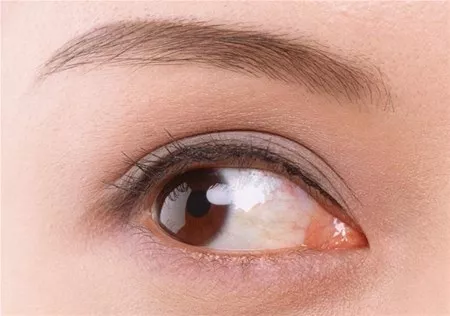
In the study of physiognomy, eyebrows are called the “guardians of longevity” and are thought to reflect the flow of vital energy (qi) and blood. The Huangdi Neijing states: “Those with well-formed eyebrows have abundant yang energy and blood, while those with poorly formed eyebrows have less.” By observing the length, thickness, density, and color of the eyebrows, one can glean insights into a person’s vitality and health. Let’s explore how changes in the eyebrows are believed to signal potential health issues.
1. Thick, Dark, and Short Eyebrows
People with thick eyebrows generally have a robust constitution and strong energy. However, if a woman’s eyebrows are exceptionally dark and thick, it may indicate hyperfunction of the adrenal cortex, so she should be mindful of conditions such as diabetes or osteoporosis. Those whose eyebrows are both thick and short often have a quick temper and may be prone to acute health problems.
2. Enlarged Pores at the Eyebrow Center
If the pores at the center of the eyebrows are noticeably enlarged and accompanied by blackheads, it is often due to excessive strain on the cervical spine. This area corresponds to pressure points around the seventh cervical vertebra; when the neck is uncomfortable or under significant stress, the pores in this area can enlarge.
3. Dull, Yellow, and Dry Eyebrows
Eyebrows are linked to lung energy. If they appear dull, yellowish, and dry, it suggests weak lung qi, making a person more susceptible to respiratory ailments. If the tips of the eyebrows are straight and dry, women may experience menstrual irregularities, while men may be more prone to neurological issues. Children with malnutrition may also show dull, yellowish eyebrows.
4. Uneven Eyebrows
When one eyebrow sits higher than the other, it can indicate problems with the cervical spine. Abnormal curvature of the cervical spine may lead to facial asymmetry, such as uneven eyebrows, a crooked nose, asymmetrical eyes, uneven nostrils, and corners of the mouth at different heights.
5. Long Hairs Growing in the Eyebrows
Traditional physiognomy texts suggest that long eyebrow hairs can be a sign of longevity, but context matters. In older adults, a few long eyebrow hairs may symbolize longevity. In young adults, however, long eyebrow hairs are not a sign of good health; they may indicate regulatory imbalance and excessive energy depletion. The earlier this appears, the faster one may age and the higher the risk of tumors. Young adults with long eyebrow hairs—especially in clusters—should consider regular health check-ups for early detection and treatment of potential issues.
6. Sparse and Easily Shedding Eyebrows
People with sparse, easily shedding eyebrows often have weak vital energy and blood, low immunity, and tend to be physically weak with cold hands and feet, suggesting weak kidney energy. In addition, hypothyroidism or pituitary dysfunction often leads to eyebrow loss, particularly in the outer third of the eyebrows.
7. Pimples in the Eyebrows
Frequent pimples within the eyebrows are usually due to improper sitting posture that overtaxes the cervical spine, indicating neck issues. Sitting incorrectly or maintaining the same position for extended periods can cause prolonged neck fatigue, muscle stiffness, and make the cervical spine more susceptible to problems from overuse.