Comprehensive Guide to Facial Features: Ears
The ear is a vital human sense organ. We take in countless signals through it every day, which is why it’s often called the “palace of hearing.” In physiognomy, the ear is considered important for reading a person’s wealth, intelligence, and health. Ears are also thought to reflect early-life conditions; for example, children said to have “weak” ears are believed to be physically fragile and less intelligent. The ear is divided into three parts: the upper section is the heavenly wheel, the middle is the human wheel, and the lower is the earthly wheel (the heavenly outline and earthly outline). These areas are used to assess harmony, intelligence, and emotions.
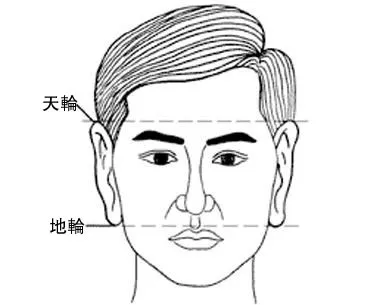
Large Ears: Steady, Cautious, and Clear-Minded
People with large ears and wide ear openings are generally broad-minded and intelligent. A wide ear opening often suggests generosity. As the saying goes, “A wide ear opening signifies intelligence and openness,” reflecting abundant energy and a wide perspective. Large ears are seen as a sign of good fortune, pointing to a rational person with strong curiosity and a drive for knowledge, along with a keen sense of right and wrong and a clear grasp of both truth and convention. They tend to be energetic, steady, cautious, clear-headed, practical, and hardworking. Overall, those with large ears are thought to be wise and open-minded, enjoy good fortune throughout life, and often achieve notable success in their careers. Look at leaders across fields and you’ll often find many successful businesspeople, scholars, and officials with large ears—such is the lore of large ears.
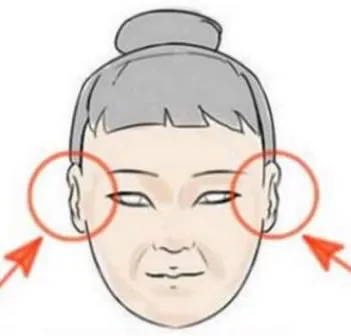
Small Ears: Emotional and Impulsive
Individuals with small ears tend to be more emotional, sensitive, and less decisive. They can be easily swayed by others’ opinions and often feel uncertain, getting upset over trivial matters and reluctant to face reality. Highly self-conscious, they may resist constructive feedback, which can strain relationships. Their judgment can be shaky; they act on feelings, are impulsive and straightforward, and may rush ahead without planning—making it hard to save money and ill-suited to business. Careful life planning can help them avoid creating unnecessary turmoil.
Thick Ears: Abundant Wealth
Marrying someone with thick ears is considered a wise choice. Thick, large ears are associated with longevity—someone who can be by your side for life. Ideally, they outlive you, helping fulfill your wishes. Rounded, thick ears with a strong inner rim suggest a talent for generating wealth. Whether they can keep it depends on alignment with the chin, which should also be observed. People with such ears are proactive, command respect, and are skilled at leveraging others to advance their careers. They handle change well. With a partner like this, you can confidently entrust them with important matters.
Thin Ears: Difficulty Accumulating Wealth
Those with thin ears tend to be overly sensitive and lack confidence. They dwell on issues big and small and may suffer from insomnia, poor appetite, or constipation. Such people usually have little savings and are easily influenced by others, with limited ability to earn money. As the saying goes, “A high wall keeps away those who don’t come”—thinking too much and doing too little won’t help. People with beautiful yet overly thin ear contours may crave wealth but spend easily, making it hard to save. They may excel in the arts and gain social recognition, but their finances often lag behind.
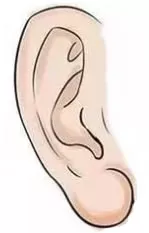
Thick Earlobes: Wealth and Nobility
Congratulations—people with thick earlobes are considered blessed with financial luck. If the lobes are so plump they could hold a grain of rice, they’re often seen as wealthy and influential. Such individuals are generally healthy, cheerful, and generous, with happy family lives and good relationships. They typically have modest desires yet no shortage of spending money, and their wealth tends to grow naturally. Think of the deities in traditional paintings: their earlobes are thick—another sign of good fortune.
Some people with small earlobes can still be wealthy, either through inheritance or windfalls from speculation. An exception is those with small earlobes but a well-defined jawline; this can offset shortcomings and support career success.

No Earlobes: Difficulty Earning Money
Individuals without earlobes have very thin, small ear tissue. They are imaginative and expressive but often detached from practical reality, prone to daydreaming and poor planning. They may act on fleeting emotions and desires. If what passes for an earlobe forms sharp angles, they’re thought to have little affinity with money, spending it as easily as water passes through sand. If the entire ear is small and thin with no lobes, they may be wasteful or suffer financial losses from failure. Earning money doesn’t come easily to them, so they should focus on building financial awareness and improving money management skills.
Long Ears: Longevity and Family Bliss
Long ears are also associated with longevity. People with long ears tend to be quick-witted, diligent, and cautious in their actions. As the saying goes, they value “three meals a day and a good night’s sleep”—they have few desires and are content with life. Their calm nature helps them enjoy a peaceful later life with children and grandchildren, savoring family joys. Of course, no one is perfect; those with long ears may sometimes feel life is too ordinary. Human desires are endless, but creating a simple, fulfilling life is a rare achievement.
Short Ears: Conservative and Worrisome
People with short ears tend to think conservatively, are overly cautious, and often lack strong opinions, relying more on emotion and showing timidity. They appear obedient and gentle, avoiding overly stimulating lifestyles—like a timid deer. Though outwardly calm, they may be filled with desires and fantasies, drifting into daydreams. They also crave being heard and praised; recognition of even small achievements can greatly encourage them. Encouragement can significantly boost their careers.
Slanted Ears: Brave, Rational, and Detail-Oriented
Individuals whose ears lie close to the head and appear slanted are generally intelligent and rational (and relatively less emotional). They plan carefully and don’t panic. As the saying goes, “Panic won’t handle hot porridge, and you can’t study the Three Kingdoms on the road.” They understand how the world works and proceed step by step, considering all sides rather than acting on impulse. Faced with difficulties, they neither retreat nor act recklessly, but solve problems rationally. However, they can be critical and enjoy collecting others’ secrets, which can intimidate people. If they don’t rein this in, their social circle may shrink.
Soft Ears: Lacking Courage
If someone’s ears feel soft when pinched, they’re likely passive by nature. Generally, they lack courage and assertiveness. If the ears aren’t visible from the front, they tend to be timid and less proactive. When assigning tasks, it’s best to assist and supervise them. As the old saying goes, “If one cannot sweep their own house, how can they sweep the world?” Those who neglect small matters often lack decisiveness in critical moments. People with soft ears are easily deceived. For men, this may indicate fear of their wives—typical of a “henpecked husband.”
High Ears: High Intelligence
Typically, the tops of children’s ears are higher than their eyebrows and even their eyes. Adults with ears set high tend to be practical and grounded. They have strong vitality and straightforward thinking, rarely worrying about material comforts. They’re intelligent, can endure hardship, and often earn the affection of elders as well as recognition and promotion from superiors. However, they may lack leadership ability. Unlike those with ears set lower than the eyes, they have fewer opportunities to hold high office. To succeed, they must rely on their own efforts and maintain a clear sense of honor and self-awareness. They’re well-suited to roles as scholars, professors, or experts, achieving distinction in their fields.
Low Ears: Leadership Qualities
When the tops of the ears are lower than the eyebrows but higher than the eyes, that’s considered a normal position. People with this ear set are often regarded as noble, with insightful thinking, an ability to see both the big picture and the details, and the capacity to earn others’ trust and support. They often display leadership, with smooth career and financial paths. If the ears are set too low, however, it can lead to arrogance, impulsiveness, or financial loss, and an overindulgence in material or sensual pleasures—resulting in limited achievements and an ordinary life. Character is crucial; self-discipline is essential for great accomplishments.
Prominent Ears: Active and Engaged
Those with pronounced inner ear contours are practical. If the inner rim protrudes, they tend to be proactive and often extroverted, making them less suited to very quiet jobs, such as library work. They enjoy excitement and adventure; roles involving investigation or espionage may appeal to them (whether they excel is another matter). To others, they may seem rebellious. Their tastes are unconventional and not widely accepted. In reality, they’re quick-thinking, efficient, and diligent, handling tasks with ease and high productivity. They don’t waste time on idle thoughts. Still, as the saying goes, “No gold is pure, and no person is perfect.” People with prominent ears may overlook details and fail to prioritize, coming off as self-righteous and argumentative, so humility in social settings is advisable.
Ears Not Visible from the Front: Good Fortune
When the cheeks are full and the ears are almost hidden from a frontal view, the ears are said to be “not visible from the front.” People with this trait often project physical strength and presence, enabling them to excel in their careers and attain status. They’re diligent and fortunate, with notable ability to build success. As the saying goes, “With a belly full of talent, one need not fear bad luck.” Ears not visible from the front indicate a person currently enjoying good fortune. If the ears are small and hard to discern, the person is likely intelligent, discerning, and efficient. If you’re hiring, this type would be a top choice, offering exceptional value to employers. Women with this ear shape are said to be excellent wives who bring good fortune to their husbands and children—true “marriage material.”
Hellish Ears: Quick-Witted and Adaptable
Ears resembling those of a sprite suggest quick wits and adaptability. Such people are especially alert to gossip and excel at gathering information, making them well-suited to work as researchers, journalists, or politicians. Friends like these can offer valuable tips and insights—but be careful, as they may also share your secrets. While they can seem gossipy, they’re simply more curious than most and can prioritize what matters at critical moments.
Rigid Ears: Lacking Thoughtfulness
Ears can be soft or hard. While soft ears imply a weaker will, hard ears don’t necessarily guarantee a strong character. Generally, people with hard ears are healthy and often do physical work, but they may have less practice in critical thinking. They tend to be honest and opinionated. Men with such ears may display a strong, traditional masculinity and often head the household. Ideally, ears should be firm yet flexible—balanced between soft and hard—signaling skillful handling of situations and people. For women, pink, elastic, and firm ears are considered best and may bring opportunities for upward mobility.
Protruding Ears
Protruding ears are clearly visible from the front and stand away from the head. People with such ears are naturally observant and inquisitive. At first, they may seem curious and studious, but over time their questioning can feel excessive. They may ask things that are hard for others to answer yet keep pressing, which can be challenging. They might defend themselves by saying they’re just curious and there’s nothing wrong with asking. Such people can be both endearing and exasperating. Those with protruding ears would do well to temper their “interrogative” tendencies.