Enhance Your Appearance: Turning Small Ears into a Charming Feature
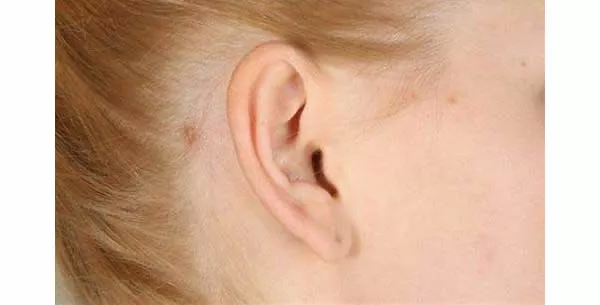
Recently, I received an inquiry from a reader about Feng Shui metaphysics, specifically in relation to ears as a facial feature. Here is what the reader asked:
“My ears are quite small; does this imply I have unfavorable facial features? Several friends have mentioned that my ears are small and lack earlobes, which they say is not a good sign. I would appreciate your thoughts on this. Thank you in advance for your answer.”
Let's address this question. In physiognomy, ears are one of the five key facial features. When considered in terms of life fortune, ears symbolize luck during ages one through fourteen. Small ears may suggest a less fortunate childhood, often linked to growing up in a challenging environment with limited resources. In simpler terms, it can mean having a rough start in life.
For instance, while some peers might have a quiet study space at home, a student with small ears might have to study in a cramped and noisy living room lacking sufficient space for concentration. This challenging start can influence a person's entire life, which is why ear shape is believed to impact one's lifelong fortune.
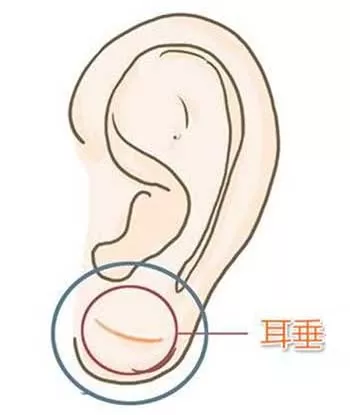
In physiognomy, earlobes are considered "hanging pearls." Ideally, earlobes should be plump and full, where larger is viewed as better. A well-developed "hanging pearl" suggests the individual will benefit from supportive relationships throughout life, often referred to as having strong social connections. Additionally, people with small ears may often be more timid, and without earlobes, they might face a more laborious and challenging existence.
However, it is believed that a person’s fortune can follow their mindset. With effort and a willingness to learn, improve social skills, and gain knowledge, individuals can form positive relationships and expand their networks. Therefore, even if one's ears are small, the "hanging pearls" can fill out over time; small ears can ultimately become more pronounced. This reflects the idea of transformation in physiognomy.
Images in this article are sourced from the internet. Copyright belongs to the original authors.