The Art of Listening: Understanding People (Part Two)
In physiognomy, ears are key indicators of financial luck, intelligence, and health, and can reflect conditions from one's childhood. For example, children with weak ears often tend to be physically frail and may show less intelligence. The ear is traditionally divided into three parts: the upper part is the celestial wheel, the middle part is the human wheel, and the lower part is the terrestrial wheel, which are used to assess a person's intellect and emotional state.
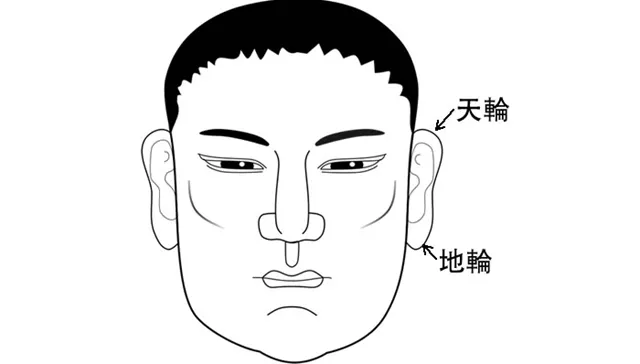
Large Ears: Steady, Cautious, and Clear-Minded
Individuals with large ears and wide ear openings generally display a broad-minded and intelligent disposition. Having wide ear openings typically suggests a generous personality. There's a saying: "Wide ear openings signify intelligence and openness," highlighting a rich capacity for energy and a broad perspective. Large ears are considered a sign of good fortune, indicating a rational personality with a strong curiosity for knowledge and a keen sense of right and wrong. Such individuals are full of vitality, steady, cautious, and clear-headed, engaging in practical and hardworking endeavors. People with large ears often have grand ambitions and a cheerful nature, which contributes to a successful life and career. Observing prominent figures in various fields, it often turns out that many successful business leaders, scholars, and officials exhibit large ears, proving the remarkable nature of this trait!
Small Ears: Emotional and Impulsive
Individuals with small ears are often more emotional and sensitive. They usually lack determination and can be easily influenced by others’ opinions. Such individuals often face confusion, getting upset over minor issues and avoiding reality. Due to their intense self-awareness, they find it hard to accept constructive criticism, which may negatively affect their relationships. Their judgment can be poor, and they often act on impulse, speaking freely without restraint. These individuals tend to be indecisive and hasty in their actions, usually lacking financial planning, making it difficult to save money and unsuitable for business ventures. It's recommended they plan their lives carefully to avoid chaos.
Thick Ears: Abundant Wealth
Marrying someone with thick ears can be a wise choice! Thick, fleshy ears signify longevity, suggesting they can be your lifelong companion. The most fortunate scenario is if they outlive you, making your wishes come true! A round, thick ear with a well-defined inner contour indicates wealth and prosperity. Such individuals excel at networking and have the capability to leverage others for success. They also adapt well to changes, making them reliable partners for significant responsibilities.
Thin Ears: Difficulty Accumulating Wealth
People with thin ears may be prone to anxiety and lack self-confidence. They often dwell on past grievances and may experience insomnia, loss of appetite, or constipation. Such individuals typically struggle to save money and often find themselves reliant on others. As the saying goes, "A high wall keeps out those who do not come"—overthinking without action is futile. Those with beautifully shaped but thin ears may desire wealth but find saving challenging. They might excel in cultural pursuits and gain societal recognition, yet their financial prospects often remain limited.
Thick and Drooping Ears: Wealth and Nobility
People with thick earlobes are considered fortunate and can enjoy financial prosperity! Those with earlobes thick enough to hold a grain of rice are particularly seen as wealthy and noble. They are robust, cheerful, and enjoy good financial and social luck. Their generous and empathetic nature contributes to a happy family life and strong relationships. Generally, they lack intense desires but do not lack money, often accumulating wealth naturally. Traditional paintings often depict deities with thick earlobes, suggesting this feature as a sign of good fortune.
Even if earlobes or drooping pearls are small, some may still acquire wealth through inheritance or unexpected gains from speculative activities. Exceptions exist: those with small but well-defined earlobes can compensate for deficiencies and achieve career success!
No Earlobes: Difficulty Earning Money
Individuals with very thin and small earlobes often have vivid imaginations and strong emotions but are somewhat detached from reality, prone to daydreaming and lacking planning. They tend to act based on fleeting desires. If their earlobes resemble sharp angles, they might struggle with wealth-related matters, spending money as easily as it flows. If their ears are small and thin, without earlobes, they may suffer financial losses due to wastefulness. Earning money can be challenging for them, so they should focus on improving their financial management skills.
Long Ears: Longevity and Family Joy
Long ears often signify longevity. People with long ears tend to be intelligent and quick-witted. They are usually diligent and cautious. A saying goes: "They seek three meals a day and a good night's sleep"—they live content lives. Their calm nature allows them to enjoy a peaceful life with their family as they age. However, since desires are endless, they sometimes worry about their lives being too ordinary. Nevertheless, establishing a simple yet fulfilling life is an admirable goal.
Short Ears: Conservative and Worrisome
Individuals with short ears are often conservative, excessively cautious, and lacking decisiveness, frequently relying on others. They may appear obedient and gentle, avoiding stimulating activities, much like a timid fawn. Though calm on the surface, their minds are full of unexpressed desires, leading to excessive daydreaming. They yearn for recognition, and even a small compliment can boost their confidence significantly. Therefore, offering praise can greatly encourage their development.
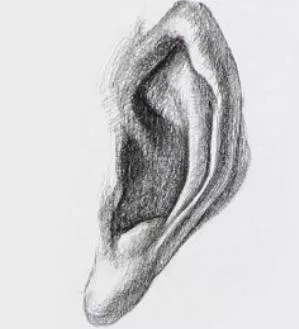
Slanted Ears: Brave, Rational, and Detail-Oriented
People whose ears are close to their heads and slanted are generally intelligent and rational (though perhaps emotionally detached). They approach tasks methodically, remaining calm under pressure. As the saying goes: "One cannot eat hot porridge in a hurry; one cannot read the Three Kingdoms while riding." They have a solid understanding of the world, tackling issues step by step rather than acting on impulse. When faced with difficulties, they neither retreat nor act recklessly, choosing a rational course of action. However, they can be overly critical and keen on collecting personal information, which may alienate others if not kept in check.
Soft Ears: Lacking Courage
If someone's ears feel soft to the touch, they're likely to be passive. Typically, they lack courage and assertiveness. If their ears are not visible from the front, they tend to be timid and lack initiative. If tasked with responsibilities, it’s best to assist and supervise them. As an old saying goes: "If one cannot sweep their own house, how can they sweep the world?" Those who neglect small matters may seem indecisive in crucial situations. Soft-eared individuals are prone to being easily manipulated. In males, this could indicate a tendency to be "henpecked."
High Ears: High Intelligence
Typically, when the upper part of someone’s ears is higher than their eyebrows, it indicates heightened intelligence, especially when seen in children, where the ears often appear higher than the eyes. Adults with such ear positioning tend to lead practical lives, possessing strong vitality and pure thoughts, unburdened by material concerns. They are intelligent, hardworking, and favored by elders. While they frequently receive recognition and promotion from superiors, they might lack leadership qualities. Unlike those with ears positioned below the eyes, they have fewer opportunities for high-ranking roles. Success requires them to rely on personal effort and self-awareness, aligning them well for academic or expert roles where they can achieve notable accomplishments.
Low Ears: Leadership Qualities
When the upper part of the ears is lower than the eyebrows but above the eyes, this is considered a normal ear position. People with such ear shapes often have noble traits, insightful thoughts, and the ability to understand both the big picture and details, earning them others’ trust and support. They also exhibit strong leadership abilities, which ensures a smooth career and financial prospects. However, if the ears are too low, it could lead to arrogance, stubbornness, or financial loss due to overindulgence in material and sensual pursuits. Good character is essential; one must be vigilant to accomplish great things.
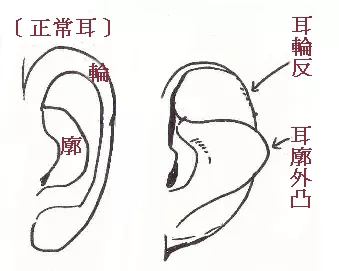
Protruding Ears: Active and Practical
People with protruding ear bones tend to be practical. Those with protruding inner contours are often active and extroverted, which makes them unsuitable for quiet jobs, such as those in libraries. They thrive on excitement and adventure, flourishing in roles like detective work or espionage (though performance may vary!). They might be perceived as rebellious, possessing unique aesthetic tastes not typically accepted by mainstream views. Nevertheless, they are quick-witted, efficient, and handle tasks with ease and high efficiency, avoiding idle thoughts. The saying goes: "No gold is without flaws, and no person is perfect." Those with protruding ears often get caught up in minor details, lacking distinction between major and minor issues. This portrayal can make them seem self-righteous and argumentative, necessitating practice in humility during social interactions.
Good Fortune When Ears Are Not Visible from the Front
When the sides of the face are particularly thick, making the ears nearly invisible from the front, it's known as "not seeing the ears from the front." Such individuals are typically strong and charismatic, capable of undertaking ventures and achieving significant status. They are diligent and persistent, enjoying good fortune and exhibiting remarkable abilities to establish successful enterprises. As the saying implies, "With a full belly of knowledge, one need not fear fortune," people with this feature are experiencing smooth fortune. If their ears are small, they’re likely intelligent with precise judgment and high work efficiency. Employers seeking talent would value such individuals highly! Women with this ear shape are often seen as good spouses who bring prosperity to their families.
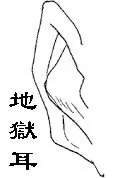
Alert and Sensitive Ears
Ears resembling those of a sprite are quick-witted and adaptable. These individuals are sensitive to gossip and excel as information gatherers, making them well-suited for roles such as researchers, journalists, or politicians. Being friends with them can be beneficial, though they might also reveal your secrets! While they may appear overly curious, they're simply more inquisitive than most, yet they can prioritize critical matters when necessary.
Rigid Ears with Poor Analytical Skills
Ears may be soft or hard; while soft ears imply a gentle nature, hard ears do not necessarily mean a strong character. Typically, people with hard ears enjoy good health and engage in physical labor. However, this might mean they lack training in analytical thinking due to their hands-on work. They are generally honest yet opinionated. Males with this ear shape might display traditional masculine behaviors, often leading the household. Ideally, ears should be firm but flexible, balancing softness and hardness for adept handling of situations and relationships. Women with pink, elastic, and firm ears are likely to have opportunities for upward mobility!
Protruding Ears
Ears protruding visibly from the front and positioned away from the back of the head indicate a person who is observant and inquisitive, often wanting to know everything. Initially, they may seem curious and eager to learn, but over time, their excessive questioning can be overwhelming. They might pose challenging inquiries yet persist in seeking answers, which can frustrate others. Though they may argue their curiosity for knowledge sharing isn’t wrong, such individuals can be both charming and exasperating. It's suggested they moderate their inquiries.
Images in this article are sourced from the internet; copyright belongs to the original authors.