The Wisdom of Listening: Insights into Your Life's Achievements
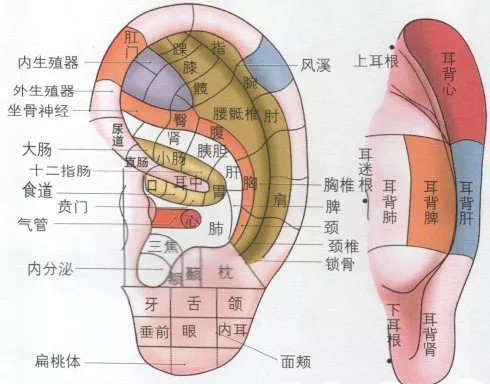
Several key features in physiognomy—such as the eyes, eyebrows, nose, and mouth—directly reflect a person's appearance and can be sources of attraction or aversion. Many celebrities opt for facial surgeries to reshape their face, enhance their nose, sculpt their chin, or elongate their eyes. However, few consider altering their ears, despite their significance in facial features. In fact, while people often focus on outward appearances, a person's true fate is reflected in their ears. Ears possess a holographic quality, representing various organs and internal systems of the body. The shape of the ear resembles a baby with its head down, where the earlobe represents the head and the overall shape mirrors a curled-up infant. Below, Teacher Zhang will analyze the fate information contained in ears from a physiognomic perspective.
1. The Relationship Between the Ear Rim and Earlobe Reflects Postnatal Development
A person's life achievements are also mirrored in their ears! If someone has a thick and prominent outer ear rim, it suggests they were born into a wealthy family. A well-defined earlobe signifies postnatal fortune and accomplishments. Therefore, if a person's ear rim is thicker than their earlobe, it may indicate that their achievements won't surpass those of their parents or ancestors. Conversely, having a thin ear rim and a thick earlobe can suggest encountering many setbacks in youth but finding success in middle age.
2. People with Ears Higher than Their Eyebrows are Intelligent and Likely to Become Famous
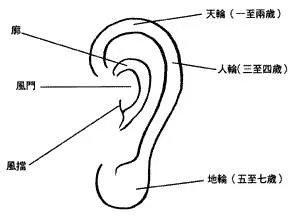
Ears are associated with wisdom. According to physiognomy, "Those whose ears are one inch higher than their eyebrows will live a life of wealth and nobility," and "An inch higher ear means wealth and no poverty." Individuals with ears extending above their eyebrows tend to be intelligent, proactive, and persistent in their pursuits. Zen master Bodhidharma teaches that those with high ears have a lineage of spirits, possessing quick wit and sharp reflexes. Ears, as organs of hearing, generally indicate intelligence in those with keen hearing and sight. For children under 15, physiognomists primarily assess ears, looking for rosy, well-defined ears with prominent lobes, which are signs of intelligence. The ear structure is referred to as the "mingmen" or "wind gate," as shown in the image above.
People with ears positioned above their eyebrows are likely exceptionally wise, able to perceive the essence of things rather than relying on hearsay, and adept at analyzing the core of matters based on what they hear. This also indicates loyalty and wisdom, as eyebrows represent siblings and friends, suggesting their wisdom surpasses that of their peers. In physiognomy, the eyebrows and eyes signify fame, and having ears higher than the eyebrows facilitates a smoother flow of energy, making it easier to gain recognition in life. A real-world example is Li Ka-shing, a prominent Chinese billionaire.
3. Ears Whiter than the Face Indicate Fame and Recognition
"Ears whiter than the face" refers to ears that are slightly lighter or whiter than the skin tone of the face. This is noted in many physiognomy texts, as ears are linked to kidney function. Dark ears may indicate compromised kidney health. In traditional Chinese medicine, the kidneys are the foundation of one's constitution. Qigong or Taoist practitioners know about the "heart-kidney interaction," essential for achieving higher states of practice. The heart represents fire, and the kidneys represent water; only when these two forces interact can one progress in cultivation. The combination of these forces in the womb shapes human form; thus, the kidneys and heart are fundamental to the human body.
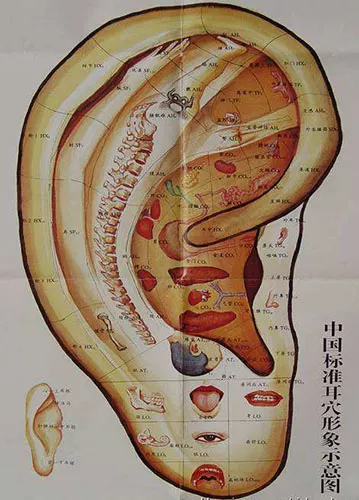
Kidney function first manifests through the ears, then under the eyes and the philtrum. Healthy kidneys are reflected in the ears as a golden-white color since ears symbolize metal, a source of water. The whiter the ears, the healthier the kidneys, and the smarter the person. The kidneys influence temperament; having white ears is very positive, indicating well-coordinated body organs. Due to their holographic qualities, ears represent overall body harmony. People with such ears are intelligent, resourceful, independent, and resilient. The kidneys are the source of drive, allowing them to build successful careers and gain high respect in their fields. Individuals with wrinkled earlobes may face cardiovascular issues. Those with healthy ears are less likely to suffer from serious illnesses. If someone with ears whiter than their face works in academia, they are likely to be regarded as an "authority" and achieve widespread recognition!
4. The Shape of the Ears Determines Career Direction
The shape of the ears can also influence career partner choices. Generally, if pursuing a role requiring strong execution, choosing partners with smaller earlobes and slightly pointed ear rims is advisable. These individuals tend to be more impulsive and action-oriented but may lack patience and perseverance, making them suitable for market expansion roles. Conversely, for planning roles, it’s better to partner with those who have larger earlobes, as they are more stable, skilled in planning, meticulous, loyal, and possess perseverance and resilience. Remember Teacher Zhang's advice: to achieve great success, when planning and making future decisions, it’s generally better to seek partners with larger earlobes; this can enhance financial prospects and career development, suggesting good fortune and loyalty, turning defeats into victories at crucial moments!
5. Harmonious Ears and Nose Indicate Good Character and Success in Life
In physiognomy, the ears and nose are vital points of ventilation. It's well-known that facial features are interconnected, and this is not just a saying. The ears and nose share connections; the height of the nose determines a person's ambitions, reflecting aspirations. Many celebrities undergo nose surgeries to enhance fame, but it's essential for the nose to harmonize with other facial features. The nose and cheekbones form a complementary pair; if the cheekbones are low, a woman may need to enhance her nose to avoid potential divorce! Conversely, high cheekbones with a low nose could also signal potential divorce. In physiognomy, the nose represents earth, essential for generating metal, so it must harmonize with the ears. If the nose is too high and the ears too small, it can create an imbalance where earth overshadows metal, reflecting arrogance and a lack of wisdom. This often leads to the saying, "A high heart but a thin fate!," and those who are self-absorbed and isolated are often characterized by a prominent nose.
If a person has a very high and prominent nose but relatively thin ears with lacking earlobes, they may become overly self-centered, focusing solely on their interests without regard for others, leading to the saying, "Strong nose, weak ears, untrustworthy individuals." Conversely, thick and prominent ears with a flat, small nose may indicate dependance and laziness, possessing ideas but lacking execution. While kind-hearted, they can be overly timid and indecisive in challenging situations. Therefore, when ears and nose are harmonized, it leads to a successful life, making it easier to possess wisdom to balance material and spiritual aspects of existence.