Does Your Face Reveal How Tolerant You Are?
Most of us would rather be praised as generous and magnanimous than criticized as stubborn. Yet both generosity and stubbornness come with their own pros and cons. Nothing is absolute; everything has two sides. The key is to express yourself in a way that fits your nature. Are you more stubborn, or more tolerant and magnanimous? Where do you find room to show who you are? Let’s take a look. (Not a strict dichotomy)
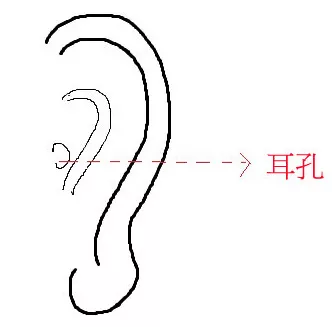
1. Large or Small Ear Openings
The size of our ear openings is said to reflect one’s capacity for tolerance. People with larger ear openings tend to be good-natured, farsighted, and generous with others, often turning setbacks into opportunities. The late former South African president Nelson Mandela is frequently cited as an example of broad-mindedness. By contrast, those with smaller ear openings may be more narrow in outlook and less receptive to other people’s opinions. A gloomy disposition can take a toll on well-being and longevity, so it’s important for them to clear the mind and learn to relax.
Ear shape is also believed to hint at stubbornness. People with round ears are generally well-rounded and sociable; they warm up to others quickly and tend to enjoy strong relationships. This is often viewed as an auspicious sign. By contrast, those with pointed upper ears tend to hold strong opinions and can be quite stubborn, sometimes showing less empathy in interactions, which may make them less suited to public-facing roles.
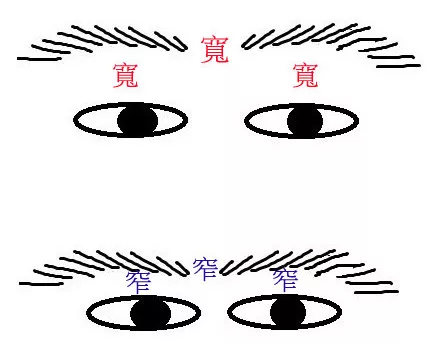
2. Wide or Narrow Space Between the Eyebrows and Eyes
A wide space between the eyebrows and eyes suggests a gentle, harmonious personality that relates well to others and puts people at ease. Such individuals are typically optimistic, don’t dwell on troubles, and enjoy a carefree life. An even wider space further aligns with a relaxed, accepting nature.
Conversely, when the space is narrow—less than the width of a finger—people tend to overthink and worry. They’re often restless and struggle to keep an even keel, especially in relationships, where they may take longer to bounce back after a breakup. This type can be intense, firm in their convictions, and finds joy in single-minded pursuits.
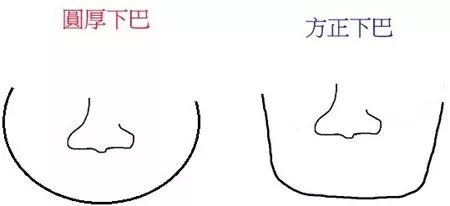
3. Round, Full Chin or Square Chin
People with round, full chins tend to be kind-hearted, considerate, and nurturing. They earn the trust and affection of those around them, especially younger people. While their generosity can sometimes be taken advantage of, their warm, accommodating nature helps them lead a relatively carefree life.
By contrast, people with square chins are hardworking, resilient, and brave. They push through obstacles to reach their goals, but can be rigid and stubborn, which makes communication harder. Their insistence on having others follow their lead can create social distance. That said, this trait suits roles that demand discipline and rule-following, such as the military. In love, they’re loyal, though sometimes possessive.
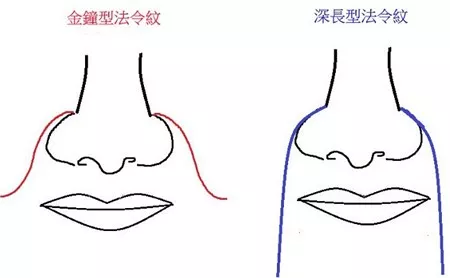
4. Wide or Deep Laugh Lines
People with wide laugh lines are typically broad-minded and earn the respect of those who work with them. They focus on the big picture, don’t sweat the small stuff, and avoid jealousy and pettiness. They build strong relationships and wield social influence. Many successful entrepreneurs who expand overseas are said to have wide, “golden bell” laugh lines.
Those with deep, long laugh lines, by contrast, tend to be serious and less socially adept. They’re inflexible and disinclined to compromise, which may suit work in the judicial system more than in business. Interestingly, people over forty with no visible laugh lines are said to be less ambitious about the future—an observation that isn’t uncommon.