What Do Unusual Changes in Your Palm’s Life Line Mean?
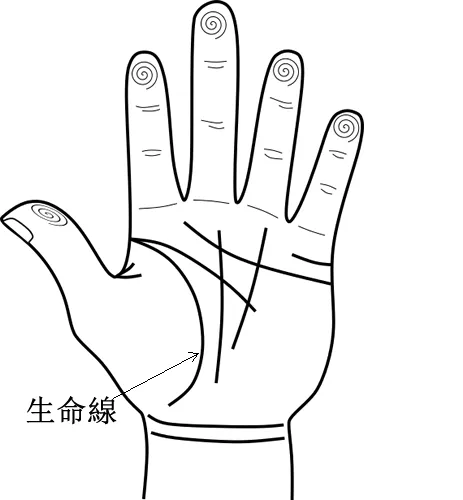
The life line is the arc that begins between the index finger and thumb and curves down along the Mount of Venus. In palmistry, it is used to read longevity, overall health, and susceptibility to illness or sudden mishaps, and it also serves as a reminder to take preventive measures and boost one’s energy. When the life line changes, it is often interpreted as a shift in the body, vitality, or spirit.
The end of the life line varies by person: some lines taper off and fade, some look striped, and others break abruptly. A sudden ending is generally considered unfavorable, pointing to a possible future risk of conditions such as stroke. Many people dismiss this, believing they are in excellent health and unlikely to have a stroke. However, strokes often occur without warning and can appear suddenly. It’s wise to stay alert—especially after age 50—and take extra precautions.
If the life line is interrupted but protected by sister lines nearby, it suggests potential danger can be avoided. If the break is covered by overlapping lines or continues with straight extensions, it indicates that even if symptoms appear, the risk can be reduced. However, if the life line breaks and then curves upward toward the side of the Mount of Venus, the situation is more serious, signaling a crisis around that age and the need for caution.
Island patterns on the lower portion of the life line and the health line—especially if faint—suggest a potential risk of issues affecting the reproductive system, including cancer. Of course, not everyone with such palmistry markings is at risk, but this pattern is believed to indicate higher susceptibility to reproductive system illnesses.
The lower area of the Mount of the Moon is said to reflect the condition of female reproductive organs, and the Mount of Mercury can indicate similar matters. If a woman’s life line extends down to the lower part of the Mount of the Moon, she may be more prone to gynecological issues. Young women in particular may avoid seeking care due to embarrassment, but if such lines appear, they should not ignore the warning and should pay close attention to their health.
If there are grid or cross patterns on the lower part of the Mount of the Moon and obstructive lines cut across the life line toward this area, it points to kidney weakness. In women, this may also signal gynecological problems, calling for extra attention to reproductive health.
Generally, the larger the crescent-shaped area the life line encloses around the Mount of Venus, the healthier and more energetic a person is thought to be. Conversely, if the curve is tight and the enclosed area is small, it suggests a weaker constitution and greater susceptibility to illness.
Islands in the upper and middle sections of the life line that appear murky are considered serious. Dark islands point to poor stomach health; darker brown islands may indicate a risk of stomach cancer.
If the life line curves along the Mount of Venus and islands appear in the middle to upper sections, it suggests potential digestive problems. This often reflects poor dietary hygiene, overeating, or irregular eating habits—the stomach’s silent protest. Even without pain, digestive function may be significantly impaired.
Some people have a wavy life line; if this is accompanied by islands on the heart line, it often points to internal organ issues, particularly in the circulatory system, and may lead to heart or vascular disease. Such conditions may show few signs beforehand and are easy to overlook. When they strike, symptoms can appear suddenly, sometimes with tragic outcomes. People who seem vibrant and healthy can pass away unexpectedly, and investigations often find that these hand patterns correspond with hidden issues.
Therefore, if you notice these patterns on your own hands or someone else’s, raise your awareness and take them seriously. This is not trivial but a significant warning in palmistry.
At the starting point of the life line—the section below the index and middle fingers—continuous islands forming a chain are considered unfavorable, indicating problems in the respiratory or digestive system.
To distinguish between respiratory and digestive issues, consider other indicators. For example, light brown islands near the start of the health line, along with rounded fingernails, or light brown vertical lines at the base of the nails, suggest the respiratory system is affected.
In the past, tuberculosis was the most common respiratory disease; today, lung cancer is the greatest concern. In its early stages, cancer cells are highly active, proliferating and spreading rapidly, and may metastasize unexpectedly. By the time lung cancer is detected, it is often advanced. Such unfortunate cases are not rare, so extra caution is warranted.
An island at the end of the life line suggests possible chronic illness in later years; regular checkups are advisable to prevent disease.
Experts believe that if the lower end of the life line is surrounded by scattered triangular markings near the palm, the risk of cardiovascular disease in later life is higher. Rings that press tightly against the life line indicate poor health, often linked to gallbladder or eye conditions, and warrant a medical evaluation to prevent progression.