5 Traits of Long-Lived Individuals' Hands: How Hand Features Correlate With Lifespan
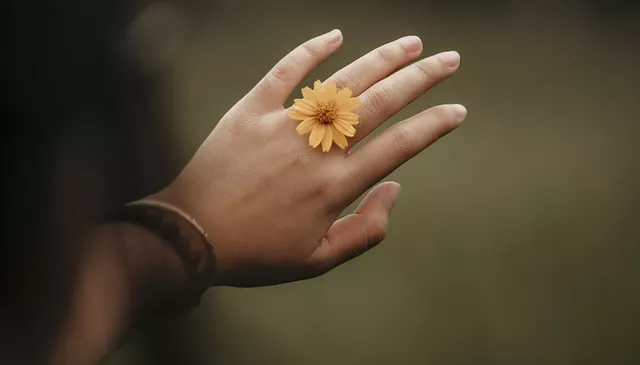
Image source: Pixabay
In traditional Chinese medicine and folklore, various sayings suggest that a person's health and even lifespan can be gleaned from their outward appearance and physical characteristics. The back of the hand, being easily visible and observable, serves as an indicator of factors like blood circulation and skin elasticity. This is why fortune tellers of the past might look at someone's hand and declare, "You are destined for a life of comfort." The veins, spots, and wrinkles on the back of the hand form a sort of mysterious health code, offering silent insights into a person's health status and potential longevity.
Especially after middle age, the back of the hand can reveal even more about a person's internal health. Individuals with longer lifespans often exhibit five key characteristics on their hands.
1. Smooth and Elastic Skin
Those who live longer generally have smooth and elastic skin on the backs of their hands, which is closely linked to the state of collagen and elastic fibers in the body. As people age, collagen diminishes, leading to reduced skin elasticity, resulting in sagging and dryness. Therefore, if someone maintains supple and elastic skin into middle and old age, it often signifies good health and slower aging.
This elasticity is partly genetic but also reflects one's health habits. Maintaining a balanced diet and regular exercise can effectively delay skin aging. Consuming foods rich in vitamins C and E can promote collagen production and maintain skin health.
In contrast, poor lifestyle choices such as staying up too late, irregular eating habits, and a lack of exercise can speed up skin aging, leading to premature wrinkles and sagging on the back of the hands.
2. Subtle Veins
According to traditional Chinese medicine, veins that stand out like worms suggest poor blood circulation and excessive internal dampness. On the other hand, individuals with subtle veins and soft blood vessels on the backs of their hands usually enjoy sufficient qi and blood, leading to smoother body metabolism. Subtle veins often indicate thicker skin and good blood circulation.
Sufficient qi and blood are seen as signs of longevity in traditional Chinese medicine, supporting the function of various organs. Poor circulation can lead to multiple chronic conditions. Excessive alcohol consumption may cause blood vessels to dilate, making veins more prominent. If highly prominent veins are accompanied by other symptoms, it could be necessary to check for varicose veins or other health issues.
So, if the veins on your hand remain subtle after middle age, congratulations! This smooth circulation feature often indicates a longer life.
3. Rosy Color and No Spots
Examining the color of the back of the hand is also crucial for inferring health status. A rosy hue suggests good blood circulation and efficient detoxification processes. Conversely, pale or dull skin usually reflects a lack of qi and poor blood circulation. In those who live longer, the skin on the back of the hand tends to have a rosy and vibrant color.
Moreover, the absence of noticeable spots or age spots on the back of the hand is also a sign of good health. Spots usually appear due to slow metabolism and toxin buildup in the body. Clear skin without obvious spots indicates good detoxification and metabolic capacity.
4. Firm Muscles
People with longer lifespans typically have firm and strong muscles on the backs of their hands. This not only reflects good physical fitness but also suggests adequate nutritional intake. Research indicates that individuals with stronger grip strength face significantly lower mortality risks in old age. Maintaining strong hand muscles plays a direct role in extending lifespan.
5. Flexible Joints with No Swelling
Individuals who live longer generally have flexible finger joints without significant pain or swelling during movement, indirectly reflecting healthy bones and joints. As people age, bones and joints often degenerate, leading to stiffness and swelling. If an older person still has flexible finger joints, it usually indicates good bone density and joint ligament health.
Joint health is closely related to calcium intake and vitamin D absorption. Those aiming for longevity often focus on calcium supplementation in their diet, and reasonable exercise can improve bone resilience. Having flexible joints suggests that someone has maintained good exercise habits, thereby avoiding joint diseases caused by poor posture and overuse.