Are People with "Sydney Lines" More Likely to Develop Cancer?
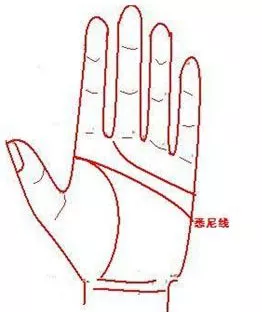
1. What is the Sydney Line?
The Sydney Line is a line that stretches from the beginning of the heart line across the palm to the edge. It is named after Sydney, Australia, where it is frequently observed. There are international reports suggesting a link between this line and conditions like leukemia. In China, observations indicate that many patients with leukemia and other cancers have the Sydney Line. An Israeli academic suggests that "people with the Sydney Line often exhibit personality traits such as psychological imbalance, stubbornness, and irritability."
2. Differences Between the Sydney Line and the Wisdom Line
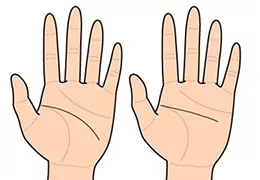
Wisdom Line
The Wisdom Line, known as "the human line" in Chinese palmistry, is one of the three major lines on the palm. It runs through the center of the palm, beginning at the edge of the third joint of the index finger and curving towards the hypothenar area, often stopping below the middle, ring, or little finger.
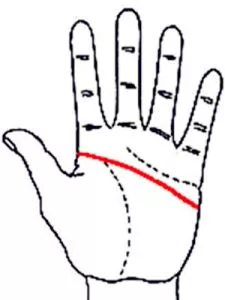
Sydney Line
The Sydney Line is specifically defined as the Wisdom Line extending all the way to the outermost edge of the palm, particularly where the hypothenar meets the palm. If it is just a few millimeters short, it doesn't qualify as a Sydney Line. This line can coexist with the heart line and is a unique form of a false palmistry break. It's important to base palmistry terminology on established facts, as even a slight deviation can result in major misunderstandings. Therefore, these concepts should not be rigidly applied.
3. Individuals with the Sydney Line Have Artistic Talents
People with the Sydney Line are often subjective, with distinct likes and dislikes, high emotional intensity, and a tendency to be stubborn. They are proactive and enthusiastic, allowing them to reach their goals more easily. They enjoy socializing, are helpful, and generally have an optimistic and generous nature, although they may carry internal burdens. Many with this line have exceptional artistic talents, and numerous artists display this feature. These individuals often succeed in their careers, but excessive behavior in any area can lead to various issues.
4. Individuals with the Sydney Line May Have a Family History of Tumors
Medical studies have shown that individuals with congenital rubella, leukemia, and congenital intellectual disabilities often have the Sydney Line. This line is also common in children with developmental delays, learning difficulties, or behavioral issues. A close relationship exists between the Sydney Line and the occurrence and progression of tumors. The development of tumors is also closely linked with personality traits like anxiety and impatience. Observations suggest that a congenital Sydney Line indicates a family history of tumors, especially if it appears on the left hand. The presence of an acquired Sydney Line is more significant in determining the benign or malignant nature of tumors, making it essential to monitor its development for evaluating tumor characteristics, surgical value, and prognosis.
5. Distinction Between Congenital and Acquired Sydney Lines
It is vital to distinguish whether a Sydney Line is congenital or acquired. A congenital Sydney Line has more genetic than pathological significance, indicating a family history of malignant diseases within three generations. However, it does not mean everyone with a Sydney Line will inevitably develop a malignant condition.
An acquired Sydney Line, especially if accompanied by island patterns, should be taken very seriously. It holds more weight than congenital lines when assessing the benign or malignant nature of tumors and is critical for evaluating surgical options and prognosis. A faint Sydney Line typically signifies potential blood-related issues, such as thrombocytopenia, poor hematopoietic function, elevated blood glucose levels, and high cholesterol, warranting caution against malignant transformations.
6. Preventive Measures for the Sydney Line
In families with a history of cancer within three generations, descendants often exhibit the "Sydney Line," marking them as high-risk individuals. These children should be monitored and take cancer-preventive measures from a young age, focusing on diet and lifestyle, avoiding exposure to carcinogens, minimizing radiation exposure, and seeking prompt treatment for any health issues to prevent malignant diseases.