Who Lacks Gratitude? Insights from Physiognomy and Palmistry

Image source: Pixabay
There is a touching news story about a couple who, in their youth, found a child by the roadside and lovingly raised him. Surprisingly, the child grew up to be ungrateful, causing the couple much heartache, and after 20 years, they ultimately became estranged and severed ties. It is often said that "the grace of raising is greater than the grace of giving birth," yet they never imagined that the child they devotedly nurtured would become such an ungrateful "wolf in sheep's clothing." According to physiognomy, what types of people are more likely to lack gratitude and quickly forget kindness?
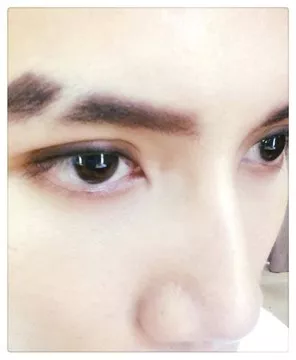
Thin and Broken Eyebrows: Eyebrows typically symbolize a person's emotions and represent interpersonal relationships. If the eyebrows aren't usually dark but are instead yellowish, thin, sparse, and broken, it indicates that the person is quite selfish and driven by personal gain. Once they perceive no benefit, they will simply walk away.
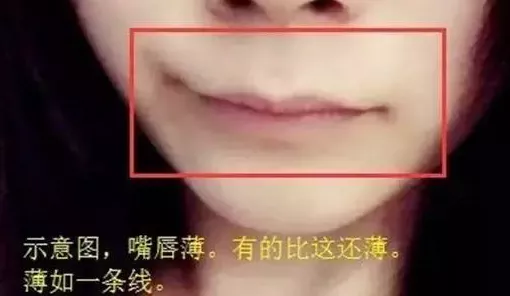
Thin Lips with a Pointed Upper Lip: Both of these features need to be present. Thin lips suggest a cold heart, and if the person speaks harshly, a pointed upper lip further indicates ingratitude. This can be described as extreme selfishness and bitterness.
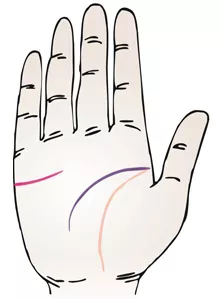
Short Heart Line: A normal heart line should extend beneath the index and middle fingers. If it is shorter, it signifies that the person will not associate with anyone who doesn't offer practical value, regardless of how well they are treated. Once there is a conflict of interest, they will naturally be the ones to sever ties.
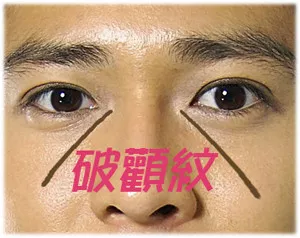
Presence of Broken Cheek Lines: This refers to diagonal lines under the eyes. Individuals with this feature tend to shift all responsibility onto others when they fail, and may even doubt or resent those who have been good to them in the past. They are the type who "say nothing when successful, but act ungratefully when they fail."
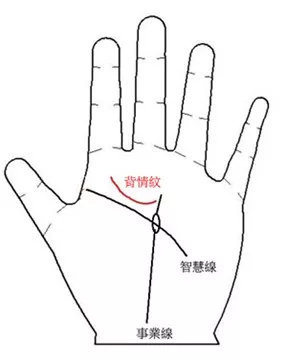
Presence of Backward Emotion Lines: In the middle part of our hands, there is a line that resembles a hook. If this line is present, it indicates a tendency toward betrayal in both work and relationships. In the workplace, they might go against their boss; in personal relationships, they may betray their spouse or partner.