Which Facial Features Suggest a Sensitive and Emotionally Fragile Personality?

Image source: Pixabay
Hello everyone, welcome back to our facial features series! Today, we're diving deeper into the topic of physiognomy, specifically focusing on how "inner fragility and sensitivity" manifest in one's facial features.
Before we continue, please keep the following in mind:
- The traits outlined in this article are detailed and should be assessed holistically. You cannot draw conclusions from a single feature. Physiognomy should be viewed in context—never in isolation!
- In general, the more traits a person exhibits, the more likely they are to have a sensitive and fragile personality. However, this is merely a possibility, not an absolute fact. Approach these insights with rationality and avoid making snap judgments.
Eye Features
Continuing our discussion on facial features, whenever eye features are examined, especially the gaze, this is the primary focus. Why? Because to understand someone’s heart and inner world, observing their eyes is key. The eyes can reveal a plethora of emotions and genuine thoughts.
To start, individuals burdened with heavy thoughts, who are very sensitive and often experience inner conflict, usually have a "softer" gaze. Although this softness is somewhat abstract, it can be described in the following scenarios:
- The gaze is lackluster, with low "brightness," devoid of the lively sparkle typical of bright eyes.
- Their gaze appears heavy, cloudy, vacant, or hollow, lacking steadfastness and resolution.
- A closer look may reveal emotions such as sadness, melancholy, or confusion within the gaze.
In essence, no matter the shape of the eyes—whether large or small, with single or double eyelids—if the gaze matches these traits, it implies that the person is intrinsically sensitive and introspective, or currently experiencing vulnerability, which is evidently reflected in their gaze.
Therefore, if you look at successful people around you or online, although not all will have intense gazes, the majority do not display weakness in their eyes. Their gazes are often determined and bright because too much fragility and sensitivity can impede independent decision-making and become a hindrance to success.
However, if someone is inherently gentle and compassionate, fearing to harm others or themselves, their gaze may appear vacant, confused, or sorrowful, but never sinister, harsh, cold, or cunning. Those with the latter expressions may display more external aggression, unlike the former, who tend to be more amiable.

(Sinister gaze)
Some readers may wonder, based on past articles, if eye shape alone can indicate "high sensitivity."
In reality, understanding this is straightforward. For instance, people with smaller eyes are often more reserved and meticulous than those with larger eyes, and those with double eyelids typically express emotions more vividly than individuals with single eyelids. However, these features alone don't determine if someone is fragile or easily hurt internally.
Similarly, an outwardly lively and extroverted individual may have hidden pains and vulnerabilities, while someone who seems gentle and mild might possess a strong-willed, self-centered nature. The most direct and accurate way to understand someone's inner world is by closely observing their gaze.
Moreover, the color of the eyes holds meaning too: clear, distinct black and white eyes suggest a relatively pure and calm inner world, while eyes with less clarity or that appear yellow or greenish can signify emotional "inner conflict" like suspicion, inferiority, or pessimism. Additionally, tear moles near the eyes may indicate a tendency to cry (especially related to love), reflecting deep emotions.
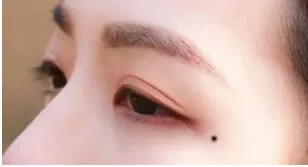
However, in my opinion, eye color and tear moles are supplementary to the gaze itself. For example, eyes with clear black and white indicate kindness and purity, but if the gaze is also dull and confused, it may suggest fragility and excessive naivety, making one susceptible to the world's complexities.
Nose and Ears
When evaluating the nose, we generally consider both the nose's root and bridge.
A high root and bridge indicate someone with strong opinions and confidence, who is determined in their thoughts and actions. If other features don't contradict this, they typically do not have overly soft personalities. This confidence enhances their inner strength.
In contrast, a flat root and low bridge might suggest a lack of confidence and a weak sense of self. In more severe cases, this may lead to feelings of inferiority or self-pity, making them prone to a victim mentality when encountering difficulties, thereby revealing fragility.
Furthermore, combining the nose and gaze can offer a more accurate measure of "high sensitivity":
A flat, small nose paired with a vacant or confused gaze likely indicates a lack of confidence and insufficient resilience and self-assurance. Issues that seem minor to others can make these individuals feel like they're "falling apart."
In contrast, a high and prominent nose with bright, focused eyes indicates confidence and vitality, suggesting these individuals are naturally less sensitive and less prone to internal conflicts.
Regarding ear features, while many people equate this area with fortune, as previously mentioned, the ears impact both physical and mental health significantly—
Ears symbolize a person's kidney energy, affecting their vitality, physical energy, and stress resistance. Simply put, a person's spirit and energy are often reflected in their ear features.
Small ears with poor coloring (dark, bluish, or purplish) and low ear positioning generally indicate someone who is physically weaker, anxious, and sensitive, making it challenging to remain calm and composed in changing situations.
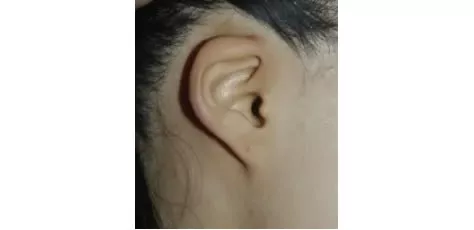
(This type of ear is very small)
Conversely, large ears with a healthy color (pink or white) and a high position suggest strong energy and good physical condition, resulting in a more assertive and bold approach to life, accompanied by a naturally optimistic and resilient mindset.
Hence, individuals with small ears may have lower kidney energy and vitality compared to those with larger ears, indicating a somewhat weaker "kidney energy foundation."
Those with extremely small ears, combined with other "high sensitivity" facial features, may become overly fearful and timid. Over time, this can adversely impact their kidney energy, aligning with traditional Chinese medicine's saying: "Fear harms the kidneys."
Here I digress slightly. The five organs correspond to five emotions: "Joy harms the heart, anger harms the liver, overthinking harms the spleen, worry harms the lungs, and fear harms the kidneys." Excessive experiences of these emotions can lead to an imbalance in one's inner feelings.
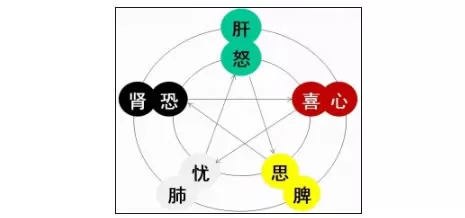
If you feel you have emotional issues, addressing them from these five aspects may help. If you're often overly joyful or angry, focus on heart and liver health; if you're excessively fearful and timid, pay attention to kidney health; if you're weighed down by overthinking and melancholy, consider your spleen and lung health...
However, for specific guidance and health maintenance, it's critical to consult a professional traditional Chinese medicine practitioner and follow their advice to fortify your weak areas. Over time, this may also enhance your appearance, as physiognomy reflects our inner health.
Comprehensive Observation
Now, let's address a commonly overlooked aspect: the symmetry of facial features. Many people hastily associate asymmetrical features with "dishonesty, deceit, or duplicity," which is an oversimplification.
In essence, asymmetry in facial features—such as noticeably uneven eyebrows, mismatched eye sizes, disparate eyelids, or uneven lip thickness—suggests that the individual may often wrestle with internal conflict, self-doubt, and tangled thoughts.
There's also a strong possibility that their true thoughts and actions may not align, or that certain deep-seated thoughts go unexpressed for various reasons, leading to significant internal conflict and a high likelihood of sensitivity and fragility.
Thus, it can be said that individuals with asymmetrical facial features or noticeable size disparities likely experience "inconsistency" within themselves. The implications of this inconsistency vary from person to person, so it’s important not to quickly judge character based solely on this trait—
Because of this internal drama and tangled thoughts, such individuals may experience psychological and emotional issues. Some may internalize their feelings quietly, not wanting to impose on others, while others may express them outwardly (e.g., through lying or inconsistent behavior). This varies by individual and should be assessed comprehensively.
Ultimately, the most accurate observations stem from examining the forehead and the overall "layout" of facial features (especially the eyebrows and eyes):
A low forehead with a dull complexion suggests indecisiveness and a lack of clarity in thoughts, leading them to become entangled in complex issues, which can result in feelings of fragility.
If the facial features, particularly the eyebrows and eyes, appear crowded or lack spacing (considered in relation to face shape, as this crowdedness may indicate a lack of facial space), it often suggests the person is highly detail-oriented, prone to focusing on minutiae, leading to scattered thinking. They are unlikely to be carefree individuals, and the likelihood is high that they are "highly sensitive."
In closing, I want to send a warm embrace to all the sensitive and fragile souls out there. If you have such individuals in your life, I hope you can offer them more understanding, kindness, and love. After all, many who experience profound inner conflict are extremely kind and sensitive, often carrying burdens they cannot easily share.