The Intrinsic Link Between Facial Color and Health
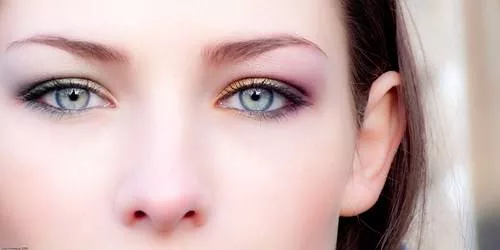
“The bones determine the overall direction of life, while the complexion reflects one's state of being through different years.” Therefore, when it comes to physiognomy, attention must be paid to the complexion's manifestations. It is understood that the vitality of life is determined by qi (energy), which is hidden within the body and cannot be seen or touched. Thus, to evaluate qi, one must first observe the complexion. A dull complexion signals weak qi, while a vibrant complexion signifies abundant qi. The state of a person's life, whether good or bad, is reflected in the complexion of various parts of the face as each correlates to the functions of the “five organs” and “six bowels” within the body. In traditional Chinese medicine, there exists the practice of “looking, listening, asking, and touching”; in folk sayings, it is stated: “Good and bad fortune are reflected in the complexion.” Here, “reflected in” pertains to the facial complexion, corresponding to the functional states of the “five organs” and “six bowels.” So, how does physiognomy unveil the relationship between complexion and health?
1. The Appropriateness of Complexion
Chinese belong to the yellow race. Though there are the “five elements” of “metal, wood, water, fire, earth” with their respective five colors, yellow remains the primary color. Coupled with adequate qi and blood, a healthy complexion is characterized by being “red, yellow, moist, and clear.”
- “Red” indicates abundant blood, “yellow” signifies proper qi and color, “moist” suggests smooth circulation, and “clear” indicates harmonious qi. A rosy complexion implies a superior lifestyle, strong material conditions, better physical health, and abundant energy, making achieving a successful career more attainable.
- Yellow-toned individuals with a hint of red can exhibit a purple appearance. This purple within the yellow qi—giving a rosy hue—is known as “auspicious clouds.” If there are purple spots within the yellow qi on the forehead, resembling flowers or beans, it signifies the arrival of auspicious clouds. Such complexions, regardless of their location, are generally considered favorable omens.
- A complexion akin to apricot or rice yellow suggests malnutrition and naturally low bodily functions, while one that is bluish-purple or ashen gray indicates illness has already taken root, leading to various health issues.
- A pale complexion often results from a severe depletion of vital energy, causing weakness and reduced immunity, making one susceptible to illnesses, potentially resulting in serious health problems.
- A bluish-gray complexion frequently stems from fear and emotional disturbances, disrupting the nervous system, leading to confusion, inability to act, and feelings of helplessness.
- A bluish-black complexion is often linked to malicious intentions or intense emotional stress, potentially leading to imprisonment or impending doom.
- A dark and dull complexion is typically due to excessive liver yang fire and uncontrolled emotions, which can lead to disputes and conflicts.
Thus, the saying goes: “Those with a blue complexion face many dangers; those with no color are often ill; those with a waxy yellow complexion are gravely ill; those with a black complexion are beset by diseases; and those with a peach complexion tend toward lust and debauchery.” While these are experiential sayings, they illustrate the inevitable connection between complexion and health. It is evident a good complexion is “red, yellow, moist, and clear,” while “blue, white, gray, red, black,” along with dryness and impurity, should be avoided.
2. The Suitability and Unsuitability of Complexion
The suitability of complexion relates to a person’s age, environment, and seasonal changes. In physiognomy, suitability is also evident in the appropriateness of different facial areas in relation to the five elements and complexion.
Firstly, Age-Related Suitability
Individuals at different ages should maintain a complexion that supports their vitality. For example, young people should not have a dull complexion, and older individuals should not appear too youthful. A dull complexion indicates an imbalance in qi and blood, leading to various ailments; a youthful complexion indicates an imbalance of excess, potentially leading to high blood pressure, lung heat, and excessive liver fire. This can result in a flushed, shiny, swollen face—all unhealthy signs that should not be ignored. Young children should have a rosy, soft complexion and a neat appearance.
Secondly, Suitability of Different Facial Areas
Each facial area has specific color characteristics. For instance, hair should be soft, black, shiny, and healthy, indicating sufficient kidney energy and good vitality. Thick, yellow hair suggests malnutrition and weak vitality, while coarse and hard hair indicates heat in the blood and a tendency to become irritable. Sparse, yellow hair, with a receding hairline or baldness, suggests intelligence and creativity. Straight hair growing forward implies a gentle nature, while stubborn hair indicates a strong-willed character.
Eyebrows should be a clear black, and eyes should be bright with distinct black and white; red veins should be avoided. Red or yellow eyes indicate serious illness, while watery eyes often suggest promiscuity. If the area under the eyes is red or yellow, it indicates strong fertility; if pregnant, signs may appear within half a month. A deeply sunken area under the eyes, with horizontal flesh, a dull complexion, and a low nose often suggests infertility.
The cheeks should have a rich yellow hue and avoid blue, white, red, or black. Red and vibrant cheeks indicate sufficient heart energy and good health, while pale blue or pink cheeks suggest illness. Bright red cheeks suggest internal heat; red spots suggest toxic heat affecting the heart. Black, white, blue, or gray cheeks appearing lifeless indicate severe illness and impending death.
The chin and jaw area: black hair indicates integrity, white hair indicates kindness, red hair indicates ferocity, yellow hair indicates weakness, and mixed hair indicates bravery. The nose should display a yellow, moist complexion for health. A bluish hue on the bridge of the nose may lead to sores; a reddish glow may lead to hemorrhoids; a black, cloud-like appearance may indicate chronic respiratory issues. The nose is linked to the lungs and connected to the stomach, spleen, liver, and heart, so any unusual colors may indicate issues with these organs. Lips should be rosy and moist, indicating health; pale lips suggest coldness and weakness, black lips suggest danger, and purple lips indicate blocked qi and blood circulation, affecting heart function. Dry and red lips indicate internal heat and inflammation.
Thirdly, Gender-Related Suitability
For example, men should have strong hair, while women should have soft hair. Men with black, thick, and shiny hair indicate strong kidney energy and masculinity; soft, fine hair suggests a timid, weak personality. Women with black or golden hair that is soft and shiny are likely virtuous and wise with strong fertility; women with coarse, dry hair tend to be rough and may have violent tendencies. This illustrates the suitability of different facial features in relation to gender. As for individuals of different five elements, the relationship between complexion and the five elements often pertains to their fortune and health, primarily reflected in the balance of qi and blood.
3. The Abundance and Deficiency of Complexion
While it is said that Chinese people generally possess a yellow and bright complexion as the standard, each person's inherent five-element energy varies significantly. Therefore, the proper qi and color for each individual also show clear differences.
For instance, individuals with a water element favor a moist black complexion, as black is the inherent color of water, indicating good fortune. They may also prefer a moist green complexion, as water nourishes wood, signaling success in fame and fortune. A moist red complexion suggests a balance of water and fire, leading to prosperity in both wealth and career. A moist yellow complexion indicates earth can store water, leading to financial success. A moist white complexion indicates metal can generate water, leading to abundant wealth. They should avoid a stagnant black complexion, indicating water-related illnesses or disasters, leading to misfortune. They should avoid excessive green, which suggests an abundance of wood restricting water, causing financial loss. Bright red should be avoided, as it indicates excessive fire depleting water, leading to disasters and illnesses. Stagnant yellow, suggesting earth overcomes water, leads to health issues, while a dry white complexion, indicating excessive metal clouding water, leads to mourning.
This applies to individuals of other elements as well, and readers can deduce accordingly. Thus, the deficiency of proper color and qi refers to the absence of proper colors in five-element individuals and their corresponding facial features, caused by stagnant qi. This results in obstructed qi and blood, stagnating in one area, leading to a heavy and turbid complexion, manifesting as dullness, stagnation, heaviness, superficiality, brightness, spots, and other issues.
For example, dullness indicates stagnation within the yin, such as brown, gray, bluish-purple, yellowish-white, grayish-yellow, and waxy yellow—colors associated with heavy and stagnant qi. Individuals with heavy and stagnant qi often appear sorrowful, as if sleepy or drunk, with weak movements and soft voices. Such stagnation may arise from factors like nutrition, spirit, and heredity, suggesting restlessness, inability to find peace in sleep or food, and a feeling of urgency without achieving goals.
“Shiny and bright” refers to a complexion that appears as if oil is on glass, with a pale complexion lacking spots and instead seeming ghostly. This indicates a mismatch between internal and external qi, leading to a superficial and changing appearance, suggesting misfortune is near. A “floating and bright” complexion, though seemingly good, is superficial and unsustainable, indicating trouble. In youth, it suggests a tendency to squander wealth; in middle age, it suggests financial loss and shortened lifespan; in old age, it suggests legal troubles, disputes, and wastefulness.
“A color of debauchery” refers to a shiny, bright complexion that appears floating, indicating deterioration from service to debauchery, leading to punishment; losing a position or job, resulting in illness and disaster. “Red spots” refer to persistent red spots that do not fade, appearing bright red without luster or moisture, indicating misfortune, loss, and anxiety. If these appear in the five or six facial areas, it suggests serious marital issues, potentially leading to family ruin or personal loss. This often results from internal heat or other pathological changes.
“A mixed complexion” refers to an appearance displaying two or three colors, necessitating analysis of the elements’ relationships to determine fortune or misfortune. If conflicts exist or all five colors are present chaotically, it indicates disharmony among the five elements and unrest in the spirit. If heavy red and white colors are among them, it certainly indicates ruin, warranting caution of diseases and disasters.