How to Evaluate a Person's Fortune by Their Facial Complexion
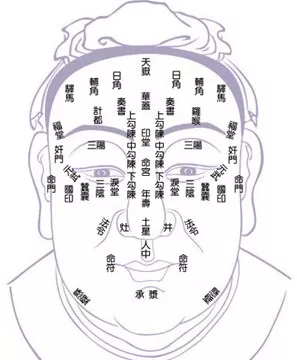
Qi flows internally, while colors manifest outwardly, reflecting a person's good or bad fortune. Facial complexion is a profound element in physiognomy, capable of predicting blessings or disasters swiftly. The methods for observing complexion are guarded secrets in physiognomy and challenging to master. This article briefly introduces how to assess a person's fortune by analyzing their facial complexion.
I. Classification of Facial Complexion
Colors are visible, unless one is colorblind, but complexion colors are subtle and require careful observation. Complexion combines qi and color—qi symbolizes the future, manifesting before events, while color reflects ongoing processes or past events, referred to as "past color."
According to the "Medical Canon," understanding through observation is known as spirit, which includes observing the five colors. The five colors arise from the five elements, appear on the skin, and root in the colors representing the five organs: water, fire, wood, metal, and earth. Each corresponds with a specific organ, color, and characteristic, flourishing during particular seasons.
For instance, water is linked to essence and the kidneys, associated with a blackish color. Fire represents qi, linked to the heart, characterized by bright red. Wood signifies the soul and the liver, with a greenish color. Metal symbolizes the spirit and the lungs, with a pale white. Earth represents intention and the spleen, with a yellow color. These elements reflect qi, manifesting on the skin through each element's specific color.
The "Huangdi Neijing" notes that the five colors should appear in specific ways for it to be favorable: red should be like white wrapped in vermilion, white like goose feathers, green like blue jade, yellow like silk with realgar, and black like lacquer.
1. Green
Green, associated with the wood element, should resemble the sun just before daybreak, with a moist sheen indicating positivity. If dry and bruised, it points to negativity. Green primarily signals worries; its implications depend on its shade and the lunar phases. Flourishing in spring, green suggests anxiety and fatigue but can also point to opportunities if directed south-east.
2. Red
Red, linked to the fire element, should appear with a moist sheen indicating positivity. Dry and burnt shades suggest negativity. Red signals disturbances and fire hazards, often indicating disputes and legal issues. Flourishing in summer, it can turn misfortune into fortune if directed north. Red inappropriately directed can lead to misfortune.
3. White
White, tied to the metal element, should appear jade-like with a moist texture indicating positivity. Powdery or snowy white suggests negativity. White generally indicates mourning and loss, flourishing in autumn. Correct direction and timing can prevent misfortune.
4. Black
Black, part of the water element, should have a lacquer-like moistness, indicating fortune. When dry like coal, it suggests negativity. It primarily signals illness and misfortune. Observing direction and season is vital for transforming this fortune.
5. Yellow
Yellow, associated with the earth element, should have a gosling-down-like texture. It signifies positivity when moist, but negativity if dry. Yellow implies joy and celebration, favorable in all seasons.
6. Purple
Purple stems from earth and wood qi, indicating joy and prosperity. When purple appears, fortune is suggested in any direction and season.
7. Red (duplication)
Though already discussed, red here emphasizes passion and financial gain, associated with fire and summer. Direction is crucial for turning misfortunes into fortunes.
II. Five States of Complexion Development
1. Color Movement
Observing brilliance at the tip of the nose can indicate changes in wealth and health. Moist eyebrows sign another aspect, suggesting temporary fluctuations.
2. Color Stability
A stable complexion indicates fortune fluctuations. A mix of light and dark spots suggests fortune stability, meaning a defensive posture might be best.
3. Color Accumulation
The center forehead's brightness indicates fortune peaks. A darkening area could signify fortune decline.
4. Color Dissipation
Eyes, ears, and noses showing dullness or dark qi announce misfortune, as they dissipate positive energy.
5. Color Formation
Forming color first appears in the ears signalling fortune. Moist ears indicate hopeful changes and eventual growth in fortunes.
III. Determining Fortune and Misfortune through Facial Complexion
1. Seeking Profit
A bright center forehead indicates profit potential. Color consistency among facial features helps predict prosperity or loss.
2. Seeking Fame
Students should seek bright yellow around key facial features for success. Officials must monitor red and yellow hues indicating impending outcomes.
3. Traveling
Bright yellow around the "horse" area ensures travel success. Directions dependent on color affect the travel outcome.
Additional Auspicious and Inauspicious Directions
Directions and actions contrasting color predicates fortune. Each movement should align with the appropriate atmospheric color.
4. Legal Matters
Red invites disputes; clear determination prevents legal entanglements. Observing bright yellow and white can assure favorable outcomes.
5. Marriage
Bright facial complexions in certain colors indicate positive marriage prospects. Dark tones warn of potential marital issues.
6. Wives and Concubines
The eye corners reflect relationship dynamics. Color deviations impact the overall harmony.
7. Parents' Illness
Suns and moons angles predict parental health. Observing color shifts in these areas can highlight recovery or loss.
8. Siblings' Illness
Colors around eyebrows and temples indicate siblings' life situations. Specific colors warn of potential losses.
9. Wives and Concubines' Illness
Facial hues indicate health within marriages. Different shades highlight wellness or concerns within family relationships.
10. Children's Illness
Color changes in facial features warn of children’s health. Brightness in standard areas equates to recovery.
11. Servants' Illness
Stagnant colors denote potential issues with staff, including loss or change of location.
12. Livestock Prosperity
Proper complexion colors predict livestock growth or struggles, dependent upon color intensity.
13. Residential Stability
Colors in household zones provide clues on residential safety and potential disruptions.
14. External Doors and Homes
Observing hues in specific home areas predicts safety and harmony within the household.
15. Personal Illness
Identifying illness must consider key facial and bodily areas. Bright colors facilitate healing, while darkness warns of fatality.
16. Children's Illness
Forecasting children's health requires careful attention to facial and bodily hues with guidance for recovery versus irreversible conditions.