Understanding Physiognomy: Exploring the Ten "Kongs
4.8K views
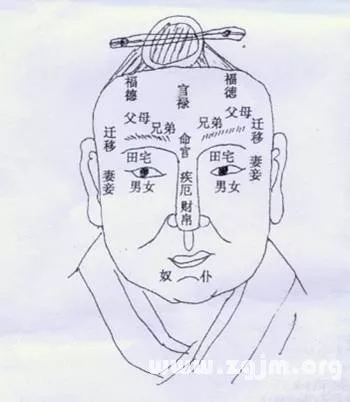
In the practice of observing physiognomy, there are ten intuitive deficiencies known as "emptiness." Each of these deficiencies is linked to an unfavorable fate.
- Sky Emptiness describes a forehead that is pointed, small, and low, signifying a lack of fortune in one's early years, difficulties in various areas, weak family foundations, and struggles to achieve success before turning thirty.
- Earth Emptiness refers to a chin that is pointed, small, and weak, indicating loneliness in old age, poor health, and a lack of support, which leads to poverty.
- Door Emptiness is characterized by very large gaps between teeth. Young individuals may lose teeth, have significant gaps in their front teeth, and experience misalignment. Door Emptiness points to instability, potentially leading to financial losses, gossip due to careless speech, and challenges in earning trust, resulting in a life filled with disputes and difficulties.
- Wealth Emptiness relates to a nose that is bony, with thin nostrils, and excessively high or pointed. The nose symbolizes the wealth palace, and defects in this area can harm financial well-being. Even if wealth is acquired, it may not last, leading to poverty in later years.
- A low and sunken root of the nose indicates a lack of support, suggesting unreliable family ties, emotional detachment from relatives, and conflicts with siblings, leading to no inheritance.
- A high nose with a protruding middle and low cheekbones indicates a lack of structure. Individuals with this feature may be intelligent but lack opportunities; their cleverness often results in trouble or disaster, making success elusive.
- A low and sunken corner of the eyes (referred to as the "奸门") signals marital disharmony or a solitary fate.
- Ears without fleshy lobes, lacking contours, and thin ears indicate low vitality, pointing to poor health in childhood and continuing health issues in old age.
- A lack of eyebrows or facial hair, or having very few, suggests poor health, frailty in old age, and a solitary nature.
- Low and defective temples signal low vitality. This often signifies poor health and a tumultuous life, with individuals frequently lacking support and needing to rely heavily on themselves.
In physiognomy, it is recognized that nobody is perfect. It's normal to have some deficiencies in one's features. However, if one can identify their shortcomings in a timely manner and actively make effective adjustments, engage in good deeds, and cultivate blessings, improvements can be achieved.