Piercing Your Ears at Random Could Bring Bad Luck
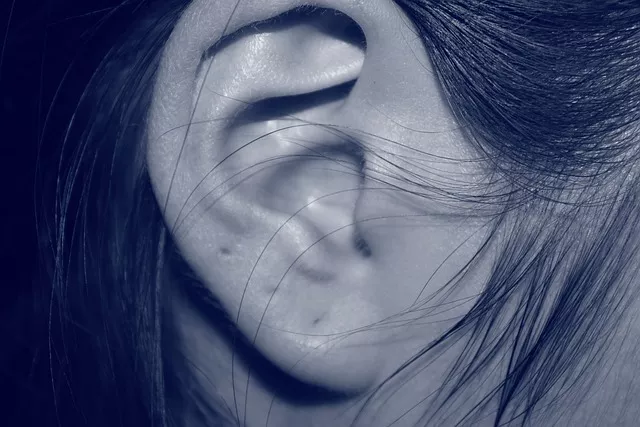
Image source: Pixabay
Today, many young people, regardless of gender, get their ears pierced for beauty or fashion. Some even pierce their noses, navels, or tongues. From the perspective of physiognomy, this is considered altering one’s natural appearance and may negatively affect a person’s fortune.
In ancient times, ear piercing was sometimes done for children who were difficult to raise, with the belief it would make them more docile. Likewise, women in the past pierced their ears to appear more gentle and demure.
According to physiognomic beliefs, if someone is born with poorly shaped or prominent ears, they can use long hair to cover them. Those with small earlobes might wear earrings to offset this perceived shortcoming, which some consider the original purpose of earrings. However, if someone naturally has beautiful ears, such as well-formed lobes or so-called “Buddha ears,” there is no need to pierce them. People with long, drooping earlobes are regarded as fortunate. If the earlobes are full and thick, resembling Buddha’s ears, these individuals are thought to have especially good luck. Men may receive financial support from their wives, while women may bring good fortune to their husbands, helping their spouses’ careers improve after marriage. Carelessly piercing such ears may allow good fortune to leak away through the holes.
Additionally, in traditional Chinese medicine, the ears are closely linked to the kidneys. Individuals with damaged or malformed ears are believed to be more likely to experience kidney function issues. Therefore, piercing the earlobes could potentially affect the health of the urinary system. Piercing the back of the ear is said to impact intelligence, so it is advisable to avoid ear piercings during one’s school years.
Edited and compiled by Lingxia Network