Few Know the Follow-Up to 'Without Flesh on the Cheeks, One Should Not Make Friends'
Ancient people believed that one's appearance reflects one's heart. Whether in modern or ancient times, individuals often assess a person's character based on their "facial features." There's an old saying: "One should not associate with those who have no flesh on their cheeks," suggesting that people with gaunt faces may not be trustworthy. Do you find any truth in this saying? Do you know what the second half of the saying is?
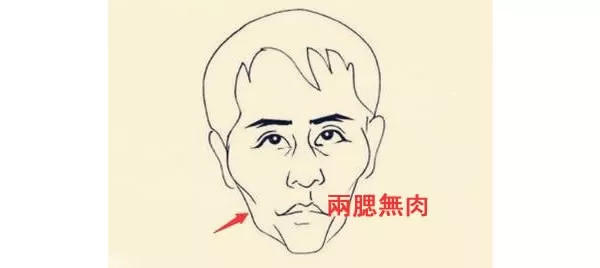
1. One Should Not Associate with Those Who Have No Flesh on Their Cheeks
The phrase "One should not associate with those who have no flesh on their cheeks" implies that individuals with lean cheeks can appear deep and calculating. Such people are often seen as scheming, and ancient tales often used exaggerated features to portray treacherous characters.
It was advised to be cautious around those with gaunt faces, as they were thought to be shrewd, cunning, and at times, ruthless. Associating with such individuals might put one at a disadvantage, so vigilance was recommended.
Ancient beliefs suggested that a person's character, morality, and abilities were mirrored in their face. Typically, sharp features were associated with cleverness, warranting caution. Casting directors often seek actors with gaunt faces, high cheekbones, and hooked noses to play villainous roles in films.
Today, this saying is somewhat outdated as many people aim for slimmer faces through dieting or cosmetic surgery to enhance their appearance and attractiveness. Some individuals go to great lengths to achieve a more angular face for a slimmer look. So, what is the second half of the saying "One should not associate with those who have no flesh on their cheeks"?
2. Those with Excess Flesh on Their Faces are Fierce
The second half of the saying is "Those with excess flesh on their faces are fierce," meaning that individuals with a lot of facial flesh appear intimidating, making others wary of approaching them. While the first half of the saying might seem simplistic or stereotypical, the second half appears more pragmatic. Individuals with excess facial flesh are often perceived as tough and quick to anger.
In dramas or literature, villains are frequently depicted with such features. However, this is not an absolute rule; individuals with less approachable appearances can be quite gentle and eager to make friends.
Moreover, those with excess facial flesh are often regarded as extremely fierce because frequent anger supposedly leads to such facial folds. Describing someone as fierce often includes noting their face full of excess flesh, which can seem frightening and leave a negative impression.
The ancestral wisdom regarding appearance has its merits, yet relying solely on "facial features" can lead to biases. Whether considering "one should not associate with those who have no flesh on their cheeks" or "those with excess flesh on their faces are fierce," understanding people's hearts requires looking beyond appearances to truly comprehend their essence.