Understanding Emotions and Desires Through Lip Thickness
8.3K views
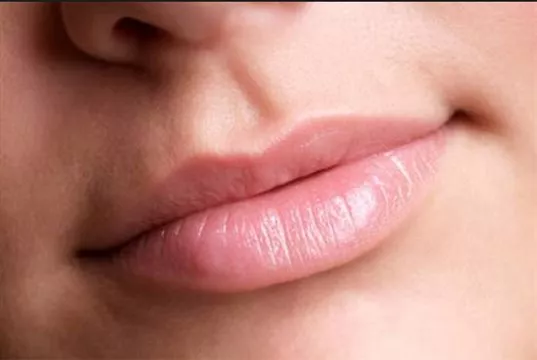
The upper lip represents emotions and relationships, while the lower lip signifies desires. Generally, men have a thin upper lip and a thick lower lip, while women often have a thick upper lip and a thin lower lip, reflecting traditional gender roles. It's ideal for both lips to be proportionate in thickness, as extremes in thickness can lead to imbalance.
- Thick lips on both the upper and lower lip indicate loyalty and trustworthiness, along with a strong focus on desires and appearance. However, if too thick, they may suggest foolishness, inflexibility, and poor communication skills.
- Thin lips hint at a lack of emotional depth and a focus on pragmatism, yet they often have good expressiveness and eloquence. If overly thin, it might lead to a cold-hearted nature and even ruthlessness.
- A thin upper lip with a thick lower lip indicates a strong focus on desires, but a relatively weak will. If the imbalance is too extreme, it may result in fickleness and inappropriate thoughts regarding the opposite sex, often using sweet talk to manipulate emotions.
- A thick upper lip and a thin lower lip suggest strong emotions and loyalty but poor communication skills. If the upper lip is excessively thick, it may lead to an extreme personality that ignores environmental realities.
- Lip color: A healthy, rosy color indicates good health, vitality, and social connections. Pale lips might suggest physical weakness; if temporary, it indicates short-term health issues, but if persistent, it may point to a congenital vitality deficiency, making success hard to achieve. Dark-colored lips might signal spleen, stomach, or respiratory issues; for women, it may indicate gynecological challenges and difficulties in childbirth. Lips with a mole suggest a focus on physical desires, insincerity, or attracting trouble.
- The tightness of the mouth also reflects willpower. Closed lips suggest strong willpower, but if too tight, they indicate a harsh personality. Lips that remain open without reason, known as "lip slack," denote weak willpower and susceptibility to influence; combined with a vacant stare, it may suggest impaired intelligence.
- A rosy lower lip indicates a hearty appetite and enjoyment of food.
- Bright red lips signify attractiveness, the possibility of having a beautiful partner, and the potential for fame. Add WeChat: xdsf01 for fortune-telling and personal Buddha guidance, transform into Tai Sui!
- The upper lip represents love; those with thick upper lips often have strong emotional connections, whereas those with thin upper and lower lips prioritize their interests. A thick lower lip suggests strong desires. If both lips are thick, it may indicate lower intelligence and moral values, emphasizing primal desires.
- Consistently bright red lips indicate deep love, good health, and high energy levels. After sixty, red lips may signify strong sexual desire, commonly seen in successful entrepreneurs. For others, this might suggest abnormal sexual behavior.
- Purple or dark lips may signal potential heart or kidney issues, while pale lips might indicate an approaching death.
- Thin lips indicate strong analytical skills but may be harsh; thick lips suggest kindness, valuing emotions and desires. Extremely thick lips could mean overly loyal personalities, direct thoughts, and rigidity; a thick upper lip with a thin lower lip may result in careless speech.
- Bright red lips signify vitality, while bluish lips suggest poor health. Lips should avoid purple or black hues, as these signal poor bodily and gastrointestinal functions.
- "Lip slack" suggests a poor marital relationship, while tightly closed lips imply a good marital bond; overly tight lips may indicate a harsh personality.
- Lips with lines indicate optimism, but too many lines suggest hard work; lips without lines may hint at a solitary nature, restraint, and poor fortune in later years.
- Lips with moles suggest a need to be cautious about gastrointestinal diseases.