Protruding Ears in Physiognomy: An Analysis
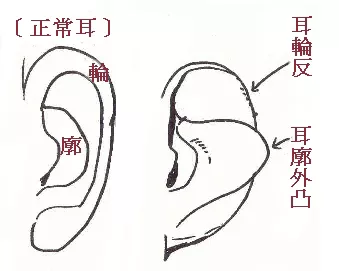
In face reading, the ears are known as the “officials of hearing” and are said to indicate a person’s fortune from ages one to fourteen. They are also thought to reflect one’s family background, intelligence, and overall health. Different ear shapes are believed to reveal character, wisdom, and potential longevity. Below is an introduction to a commonly discussed ear type—protruding ears.
What are Protruding Ears?
In face reading, the outermost ring of cartilage is called the ear rim, while the inner raised cartilage is known as the auricle. Normally, the ear rim encircles the auricle, but with protruding ears the auricle is so prominent that the rim cannot contain it. This ear shape is also described as “rim lifted, auricle protruding.”
Characteristics of Protruding Ears
The ear rim is said to reflect the quality of one’s upbringing, while the auricle points to a person’s capacity and wisdom. Ideally, the rim encloses an auricle that isn’t overly pronounced. Protruding ears, by contrast, feature an auricle that extends beyond the rim. People with this trait are often headstrong and rebellious, highly competitive, and resistant to advice. They act decisively and refuse to admit defeat, which can lead to ups and downs in youth. Without proper guidance in childhood, they may become cynical or behave contrary to common sense. If they also have pointed ear tips, thin ears, and scant earlobes, they may struggle to preserve family wealth, spending it quickly and at times even resorting to questionable behavior. Wearing longer hair or earrings is thought to help offset the drawbacks associated with protruding ears.
However, if protruding ears sit higher than the eyebrows and appear lighter than the face, such individuals are considered well suited to the performing arts and may achieve notable fame and fortune. If the ears lie close to the head, they may be better suited to creative pursuits, which can also bring wide recognition and admiration.