The Red Rain of Kerala: A Biological Mystery or Evidence of Extraterrestrial Life?
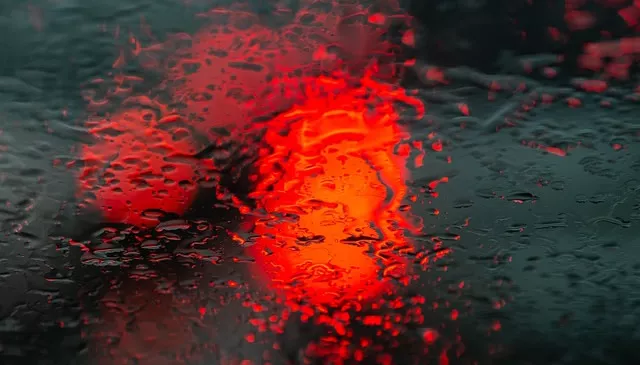
Image source: Pixabay
On Earth, rainwater is typically clear and transparent. Yet in a small Eastern European town called Yulianth, a strange event occurred—red rain fell from the sky. This has led people to wonder if it's caused by biological processes or even remnants of extraterrestrial life. Today, we'll explore this mysterious event to uncover the truth behind the red rain.
I. The Marvel of Red Rain
1. Event Overview
The red rain event in Yulianth took place one evening in the summer of 2023. The sky was cloudy when, unexpectedly, red rain began to fall, covering the entire town. Streets, homes, trees, and even individuals' clothing turned red. This event frightened residents, leading to various theories about its cause.
Definition: Red rain refers to precipitation containing red substances, which can result from various natural or human-induced factors.
2. Eyewitness Testimonies
Witnesses described the red rain as thick, resembling blood, with a faint metallic odor. Some even claimed to have found tiny particles in the rain, increasing intrigue and fear regarding its origin.
Case Study: Historical Occurrences of Red Rain: Similar red rain events have been recorded previously. As far back as the 15th century, parts of Europe witnessed red rain, often regarded as ominous, sometimes seen as warnings from the heavens.
II. The Possibility of Biological Degradation
1. Influence of Microorganisms
Scientists initially considered biological degradation as a potential cause. The red rain might contain numerous microorganisms, particularly specific bacteria or algae that emit red pigments.
Case Study: Red tide is a phenomenon caused by the extensive growth of certain algae in the ocean, turning the water red. Similar microorganisms might reach the atmosphere, resulting in red rain.
2. Geological and Environmental Influences
Another possibility is that red rain contains minerals or other environmental materials from the Earth's surface. Some soils and ores include iron oxides, which can be carried into the air by the wind, mixing with clouds and eventually falling as rain.
Case Study: Dust storms can lift iron oxides from deserts into the sky, creating "blood rain." This occasionally happens in areas near the Sahara Desert.
III. Traces of Extraterrestrial Life?
1. Extraterrestrial Organic Matter Hypothesis
Some scientists and UFO enthusiasts suggest a more daring theory: that the red rain may contain extraterrestrial organic matter or hints of alien life. They speculate that these red substances could come from comets or asteroids, bringing alien microorganisms.
Case Study: Some astronomers think that simple organic molecules or even microorganisms might exist on comets. When a comet impacts Earth, these materials could enter our atmosphere, resulting in red rain.
2. Microorganism Evidence
To examine this theory, scientists collected red rain samples for microscopic observation and DNA analysis. They discovered some unusual microorganisms, whose DNA sequences didn't entirely match any known Earth organisms.
Case Study: Complex organic molecules have been found in certain meteorites, suggesting that the fundamental building blocks of life might exist throughout the universe. If the red rain contains similar organic materials, it could support the extraterrestrial life hypothesis.
IV. The Intersection of Science and Mystery
1. Ancient Myths Meeting Modern Science
The phenomenon of red rain brings to mind ancient myths and legends. In the past, red rain was often viewed as a forewarning of war, disaster, or significant events. However, modern science seeks to explain this mysterious occurrence through rational analysis and experimentation.
Case Study: The Bible refers to "blood rain" several times as a divine warning to humanity. Today, scientists aim to explain this phenomenon by analyzing meteorological and environmental factors.
2. The Natural and Supernatural Divide
Red rain once again challenges our understanding of the boundary between the natural and supernatural. Although scientists have proposed various explanations, the mysterious aura of this phenomenon is difficult to completely dispel.
Case Study: In Florida, USA, there have been recorded instances of "frog rain," where numerous frogs fall from the sky. Scientists explain this phenomenon as tornadoes lifting frogs into the air, which eventually descend to the ground. While this event has a scientific explanation, it still evokes a sense of wonder.
V. Future Research Directions
1. Multidisciplinary Collaboration
To better comprehend the phenomenon of red rain, scientists need to engage in multidisciplinary collaboration, encompassing meteorology, geology, biology, and astronomy. Through comprehensive analysis, the true cause of red rain could potentially be uncovered.
Case Study: In Antarctic glacier research, scientists have successfully unveiled the microbial ecosystem beneath the ice through interdisciplinary collaboration. This approach could also be applied to the study of red rain.
2. International Cooperation and Sharing
The red rain phenomenon isn't confined to any single country or region; thus, international cooperation and data sharing are crucial for researching this event. Scientists worldwide can work together to share samples and information, speeding up the research process.
Case Study: Scientists aboard the International Space Station come from various countries and have achieved significant results by collaborating on studies of microorganisms in space environments. This collaborative model could prove valuable in studying red rain on Earth.
VI. Conclusion: Embracing the Unknown and the Mysterious
The occurrence of red rain undoubtedly adds another layer of mystery to the natural world. Whether explained by biological degradation or as traces of extraterrestrial life, this phenomenon reminds us that our world is abundant with the unknown and wonders. As the ancients said, "The heavens bring unpredictable winds and clouds, and humanity experiences fortunes and misfortunes." Science may gradually reveal the truths behind these mysterious phenomena, but we should also maintain a sense of wonder and curiosity about the unknown.
In the coming days, scientists will continue to investigate the mysteries of red rain, offering us more surprises and discoveries. Let us look forward to the day when ongoing technological advancements will help us unravel more natural world mysteries and lead us toward a brighter, more hopeful future.