Exploring Personality Traits Through Finger Shapes
31.2K views
In palmistry, the fingers hold significant importance as they reveal aspects of a person's character. As the saying goes, "A leopard cannot change its spots," which aptly highlights the importance of fingers in this context.
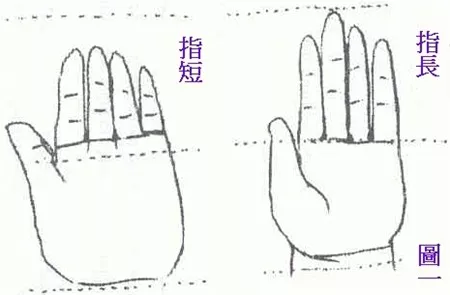
Figure 1: Differences in Finger Length
1. Long Fingers vs. Short Fingers
- Long: When fingers are as long as or longer than the palm, they are considered excessively long. People with such fingers often exhibit laziness and a tendency to daydream, making them well-suited for intellectual pursuits due to their adaptable thinking. If they choose to work hard, they can achieve career success; if not, they may lead more ordinary lives.
- Short: Individuals with short fingers, which typically extend only halfway up the palm, are very practical. They often have strong desires and instincts. Like the short fingers of apes and gorillas that suggest limited intellectual development, these individuals might find themselves engaged primarily in manual labor, driven by basic needs and showing little interest in intellectual pursuits.
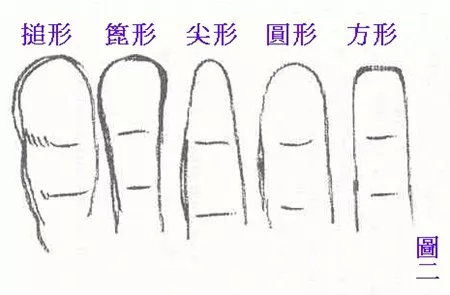
Figure 2: Differences in Finger Shapes
2. Finger Shape and Personality
- Square: People with square fingers are practical, grounded, and hardworking, making them well-suited for business.
- Round: Those with round fingertips tend to be optimistic, sociable, and skilled at interactions, making them ideal for diplomatic roles.
- Pointed: Individuals with pointed fingers are often idealistic with artistic talents, making them best suited for artistic endeavors.
- Mixed: A person with a combination of different finger shapes may lack direction, leading to indecisiveness and frequent career changes.
- Spatula: Those with spatula-shaped fingers are action-oriented and innovative, making them well-suited for roles as inventors.
- Hammer: Individuals with thick, large fingers resembling hammers tend to have a dominant and aggressive nature, making them naturally inclined toward manual labor.
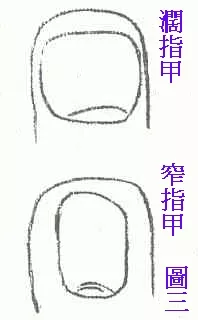
Figure 3: Differences in Nail Shapes
3. Nail Width
- Wide: People with wide nails are usually optimistic, open-minded, healthy, and patient.
- Narrow: Those with narrow, elongated nails often display a more negative, introverted personality but are known for their attention to detail.
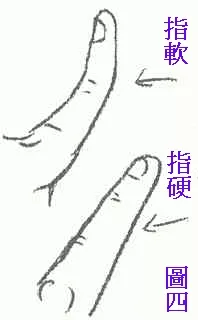
Figure 4: Differences in Finger Softness and Hardness
4. Finger Softness and Hardness
- Soft: Individuals with very soft fingers that bend backward tend to have a weak character, are indecisive, overly accommodating, lack principles, and can be easily influenced by others.
- Hard: People with straight, firm fingers are usually straightforward and somewhat stubborn, but they maintain a strong sense of principles and reliability, often leading to success.
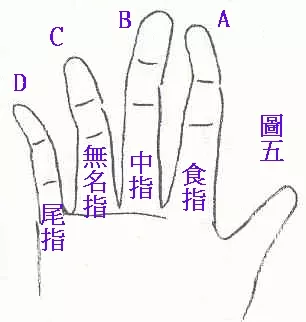
Figure 5: Detailed Analysis of Finger Curvature
5. Finger Curvature
Fingers that curve to the left or right are considered undesirable, suggesting a compromise in that finger's quality:
- Curved Index Finger: Individuals with such fingers might struggle with confidence, sometimes being overly self-assured yet failing to derive self-assurance from reality, often leading to self-deception.
- Curved Middle Finger: This can indicate a deviation in central thoughts, resulting in a lack of integrity and misguided actions.
- Curved Ring Finger: A preference for luxury brands and comfort over hard work is often seen in these individuals, along with tendencies toward opportunism and vanity.
- Curved Pinky Finger: If the pinky bends outward, it suggests a rebellious and extroverted nature, potentially causing concern for parents. Conversely, bending inward indicates a conservative and introverted nature, potentially leading to issues like autism in children, also causing parental worry.