What the Gaps Between Your Fingers Say About Your Personality—And It's Surprisingly Accurate!
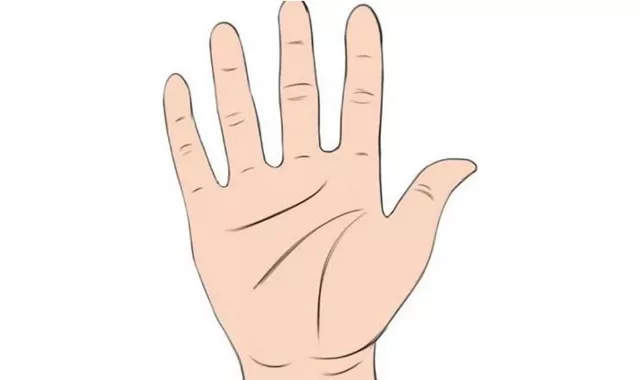
1. Wide spacing between fingers, average distance
Individuals with this hand shape naturally yearn for freedom and enjoy traveling; they seek a lifestyle free from constraints. They are dynamic thinkers, bold in their actions, and display great enthusiasm towards others.
2. Middle finger and ring finger are closely aligned
While these people also long for a free lifestyle, they often have difficulty letting go of people and things around them. Especially when troubled, they tend to feel down and act more cautiously than usual. They are meticulous thinkers, have detailed future plans, and ensure those plans are realistic.
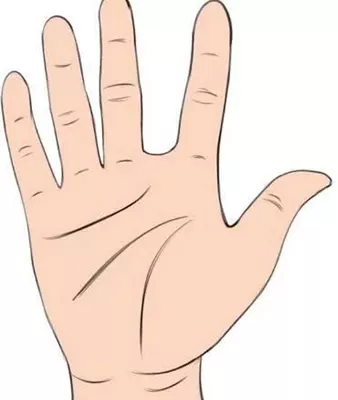
3. The distance between the index finger and middle finger is particularly wide
These people not only display initiative but also have unique insights in their judgment. They are independent thinkers who dislike interference from others in their actions and words, often characterized by pride and stubbornness.
4. Large gap between the middle finger and ring finger
People with this hand shape often give up easily and struggle to control themselves, indulging in their behaviors. Even if they later find humor in their indulgence, they don't regret it. Generally, they live comfortably and prefer not to associate with overly reserved individuals, opting for a more free-spirited environment. They often adopt a last-minute approach, disliking plans for the future.
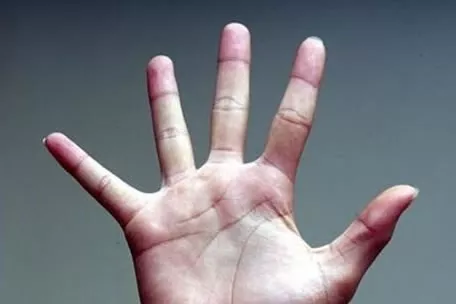
5. Wide gap between the ring finger and little finger
These individuals also dislike constraints and do not appreciate others meddling in their affairs. They often live, eat, and sleep alone, making their own choices without following the crowd, thanks to their independent thinking.
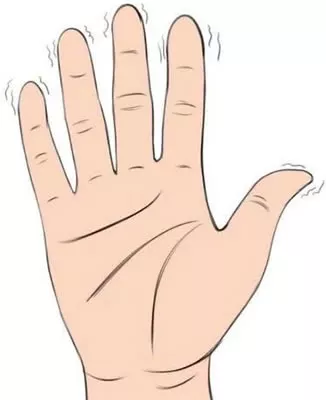
6. Slight trembling of fingertips when extending the hand
These individuals may experience poor mental health, leading to nervous tension and feelings of weakness, often resulting in habits like smoking or drinking. They can be suspicious and anxious about gains and losses, with potential difficulties in sexual function being a significant concern.