What's the Meaning of a Mole on the Chin?
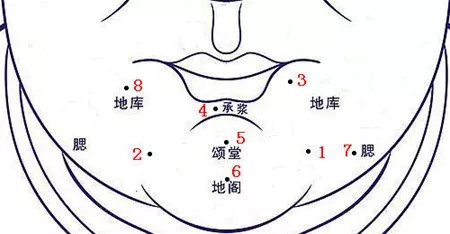
From the viewpoint of physiognomy, the chin plays a significant role in determining a person's overall fortune from the ages of 61 to 75. It symbolizes property, blessings, descendants, and subordinates. Individuals with a well-defined chin tend to enjoy a more fulfilling life in their later years, with support and joy from grandchildren. In contrast, those with poorly shaped chins may experience loneliness, lacking companionship in old age. The chin includes various specific areas such as Chengjiang, Diku, and Peichi, but Chengjiang, Songtang, and Dige are the most vital. Any marks or damage in these areas can significantly affect a person's fortune.
In physiognomy, different types of moles hold particular meanings, ranging from auspicious to ominous. Generally, moles in hidden body areas (those not easily visible) are considered lucky, while those in prominent areas (such as the face or hands) are often viewed as unlucky. Moles can also be categorized as good or bad; good moles are typically black and shiny or bright red, slightly raised, and might have fine hairs, whereas bad moles are gray-brown, dull, flat, and hairless. Let's explore the significance of moles on the chin.
Typically, if an individual has unfavorable moles on their chin, it may indicate a life of instability, frequent job changes, or frequent relocations, preventing a permanent residence. In middle age, they might encounter setbacks, particularly concerning their children. However, if the mole is favorably formed, it suggests prosperity in real estate, making them ideal for property investments, leading to stability in later life with positive fortune. Here are some details:
1. Mole on the left side of the chin
An unfavorable mole on the left side indicates that brothers in the family might face health issues and financial difficulties, potentially leading to financial losses. A favorable mole suggests a wealth of real estate, with the potential to inherit ancestral property and indicates suitability for real estate investments.
2. Mole on the right side of the chin
An unfavorable mole here suggests that sisters in the family might encounter health problems and difficulties in saving money, resulting in financial losses. A favorable mole suggests power and authority, hinting that the individual may possess real power and leadership qualities.
3. Mole on the upper part of the chin
A favorable mole near the mouth on the upper part of the chin indicates a person who enjoys food and is blessed with good fortune; as the saying goes, being able to eat is a blessing.
4. Mole at the Chengjiang area
The Chengjiang refers to the indentation in the middle of the lower lip, positioned between the chin and lips. In ancient times, it was believed that reaching the Chengjiang age signified reaching old age. If this area is plump, rosy, or translucent and unmarked, it signifies abundance in food and clothing, allowing one to enjoy blessings in later life. Dark or bluish colors should be avoided; if a young person displays dark energy in this area, they may face accidents during water activities, so caution is advised. Additionally, a concave Chengjiang suggests good alcohol tolerance, while a flat and full Chengjiang indicates excessive drinking. A mole here may denote frequent changes in residence and a propensity for drinking; if it is an unfavorable mole, caution against alcoholism and water-related mishaps is advised. Women with unfavorable moles here should be mindful of marital issues.
5. Mole at the Songtang area
Located between the Chengjiang and Dige (the area where the tongue touches), the Songtang is significant. The saying "Seventy years is rare" is relevant here; a healthy, rosy, or translucent Songtang is a positive sign. However, chaotic red lines might suggest a lonely old age. A black mole in this area could lead to relocation or separation from one's hometown. The Songtang should not appear sunken, dark, or withered; if found so, it might indicate hardships in later years, nearing the end of one's lifespan.
6. Mole at the Dige area
The Dige, located at the tip of the chin, marks a crucial point in life. A full and plump Dige is crucial for enjoying a prosperous old age, surrounded by children, grandchildren, and happiness. A round and thick shape is ideal, symbolizing wealth. A square-shaped chin may suggest a laborious life in old age, preventing one from attaining peace and happiness. A sunken, crooked, or pointed Dige suggests a lack of fortune, leading to loneliness in old age. A mole in this area may adversely affect emotional relationships, leading to temptations; if it is an unfavorable mole, it may indicate poor late-life fortune, instability in life, family, and financial matters, with water-related disasters and alcohol-related risks also likely.
7. Mole on the cheekbone
The cheekbone connects to the chin; a mole on the cheekbone indicates a lack of perseverance, suggesting that the person may abandon friends in tough times. A mole on the left cheekbone implies disloyalty to new friends, while a mole on the right suggests disloyalty to old friends.
8. Mole at the Diku area
This includes both the left and right Diku areas; moles in these positions signify wealth, indicating that a person is prosperous, with substantial assets, properties, and industries, leading to a life enriched with wealth.