Which Facial Features Are Believed to Indicate Bad Luck and Misfortune?

Face reading has been a part of ancient Chinese culture. According to physiognomy texts, "Wisdom is seen in the forehead, fame in the eyebrows, wealth in the eyes, fortune in the nose, blessings in the mouth, luck in the ears, and longevity in the chin." This suggests that one can predict a person's fortune and blessings from their facial features and expressions. There is an adage: "A kind heart without a good appearance will still attract good fortune; a good appearance without a kind heart will lead to misfortune," indicating that facial features may change according to one's thoughts and actions. Therefore, even if someone appears fierce or unlucky, by doing good deeds and cultivating a kind heart, their fortune may improve over time. Below, we explore facial features that are said to suggest a lack of blessings and a tendency toward misfortune.
1. Connected Eyebrows and Narrow Forehead
In physiognomy, the eyebrows are considered the palace of longevity, similar to the life line in palmistry. If the eyebrows are notably close together, almost appearing connected, and the space between them (the forehead) is narrow — less than a finger's width — this area is also seen as the palace of career. Individuals with connected eyebrows and a narrow forehead often face poor career prospects and struggle to achieve significant accomplishments. They tend to lack generosity, are suspicious, possess a narrow mindset, and may stubbornly refuse advice. These personality traits contribute to unfavorable career opportunities, as few are willing to engage with them in business, and they seldom receive help from others. To alter this fate, one must work on improving their temperament, perform good deeds, and maintain a positive attitude.
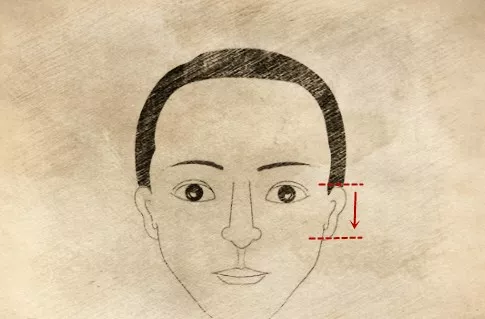
2. Small Earlobes and Thin Ears
Psychological research implies that blessings can be reflected in the ears. The size and shape of a person's ears may indicate their fortune, financial luck, and the presence of benefactors. Individuals with particularly small earlobes and thin ears are often said to lack blessings and have poor fortune. Such individuals might not receive adequate love and care from an early age, come from less favorable family conditions, and lack parental support. They may work hard but face health issues, leading to significant medical expenses that deplete their savings. Additionally, they might be slow-witted and miss many good opportunities. Those with these features are prone to misfortune, and if their ears appear dark, their health and fortune may decline further.
3. Dark Forehead
The forehead, located between the eyebrows, is a focal point for a person's spirit and is regarded as the palace of destiny in physiognomy. The width and color of the forehead can indicate a person's luck and blessings. If the forehead has irregular lines, dark moles, or scars, it suggests poor inherent fortune. Even talented individuals may lack good mentors and encounter obstacles and misfortunes. A dark forehead may suggest potential health issues and bring trouble to both the individual and those around them. People with a dark forehead often experience poor health and luck and should practice caution to avoid accidents, especially traffic-related ones. It is advisable not to travel alone, emphasizing the need for self-cultivation and seeking blessings.
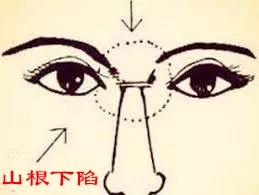
4. Sunken Nose Root
The nose root, situated above the health palace (linked to age and longevity) and aligned with the eyes, is significant in physiognomy for indicating a person's blessings, health, and current fortune. Generally, those with a sunken nose root may lead challenging lives with little reward, often experiencing a disparity between effort and results. Individuals with this feature may be stingy, have poor luck, and lack perseverance, which hinders significant achievements. They often lack blessings, face numerous challenges, and find themselves lagging behind others. In later years, their fortune might decline further, potentially leading to financial difficulties.
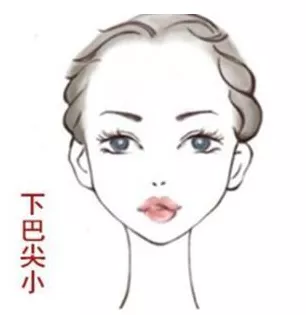
5. Sharp and Small Chin
In physiognomy, the chin represents not just a person's fortune in old age but also their land, property, subordinate relationships, and material wealth. A favorable facial structure is denoted by a full forehead and a square chin. For men, a square chin is preferred over a sharp, small, or monkey-like chin. Men with a sharp, small chin are not regarded as having a desirable appearance. Individuals with this feature are often overly sensitive, curious, and have rapidly changing emotions, making them hard to understand. They may be difficult to get along with, self-centered, and sometimes harmful to others for personal gain. Consequently, they tend to lack blessings, with few willing to assist them in their most challenging times.
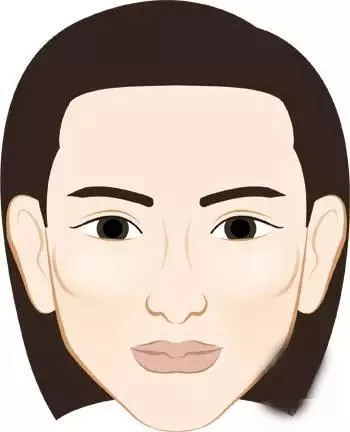
6. High and Sharp Cheekbones with No Flesh
In physiognomy, cheekbones signify power and ambition. High or prominent cheekbones might indicate an unruly nature and are not ideal for either gender. For women, high cheekbones can suggest an excessive masculinity, potentially leading to domination over their husbands, and in severe cases, causing harm. For men, high and sharp cheekbones without flesh suggest an aggressive and cunning character, employing any means necessary to achieve their desires, often with cruelty. Such individuals lack fortune, support from elders, and encounter frequent misfortunes, resulting in few achievements.
Methods to Alleviate Misfortune: It is often said that character determines destiny, while others believe destiny shapes character. Regardless, destiny and character are closely linked. To change one's fate, one should focus on improving their character. First, recognize and strive to overcome any flaws in your character. Appreciate what you have, practice gratitude, and be kind to others. By doing so, misfortune may gradually fade, and good fortune may naturally increase.
Lingxia Network Original article, please do not reproduce without permission
Images in this article are sourced from the internet, and copyright belongs to the original authors