How Conflicting Facial Features Can Affect a Person's Life
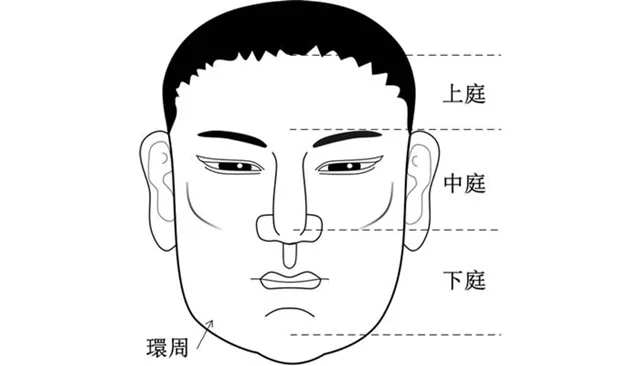
For a long time, changes and influences in physiognomy have been dismissed by the orthodox academic community as idealistic, lacking any concrete foundation. However, there is indeed a basis for it; ancient people simply explained these changes within the framework of the Five Elements theory of creation and destruction.
For instance, individuals with bright eyes and good ears are often thought to be either wealthy or distinguished. Bright eyes reflect a concentrated spirit, while good ears suggest bravery. Such people are daring, competitive, and wise—truly the leaders among their peers. Additionally, a square mouth and a straight nose are signs of nobility. What embodies this nobility? A straight nose indicates a righteous heart, and a square mouth signifies integrity in behavior. People whose hearts, words, and actions align with uprightness are indeed noble individuals. Eyes that show a clear contrast between black and white, along with red lips and bright eyes, reveal a transparent character and attract wealth, as red lips symbolize vitality and robust energy.
In contrast, those with large ears and thin lips often face poverty. Despite their boldness and willingness to take risks, they tend to lack good fortune and may inadvertently offend others, attracting troublesome people. This increases the risks they face, causing them to fail more frequently compared to others who might succeed under similar circumstances. A large nose paired with small eyes indicates solitude; a large nose suggests a broad mind and significant ambition, while small eyes imply limited expression. This combination suggests someone with grand aspirations who does not outwardly express them, resulting in a sense of isolation.
Large eyes and small ears are linked to a shortened lifespan; large eyes imply strong emotional expression, while small ears suggest a lack of courage. This could lead to emotional burnout, making individuals prone to depression.
Physiognomy holds genuine significance; it represents different forms of expression. Ancient philosophers were aware of this, but modern individuals, due to insufficient understanding and investigation, often dismiss it as idealism. This dismissal is an overly simplistic approach to the social sciences.