The Key to Success and Wealth: A Well-Developed Skill that Supports You When Needed
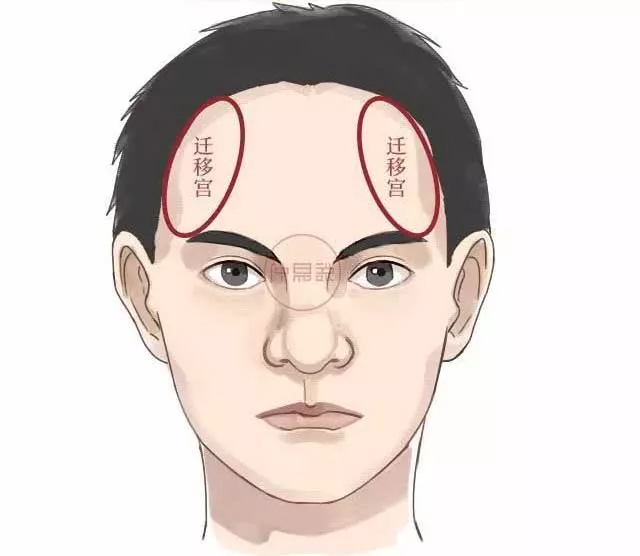
In ancient times, travel was fraught with danger due to undeveloped transportation systems, making the Palace of Migration an essential guide for evaluating a traveler's safety. Today, with modern transportation advancements, we use the Palace of Migration to assess whether a person can receive outside support in an unfamiliar place and whether changes in their environment will be advantageous or harmful. So, what do the features of the Palace of Migration signify? Join me in the Lexicon of Physiognomy as we explore the Palace of Migration together.
The Palace of Migration is located on the side of the forehead, at the temporal bone, and is used to gauge a person's prospects in foreign lands. "Migration" symbolizes change—the transition of locations, external opportunities, and more—allowing us to evaluate various circumstance changes through the Palace of Migration. For instance, decisions regarding job changes, collaborations, relocations, immigration, and travel can all be inferred from this palace.
The Shape of the Palace of Migration
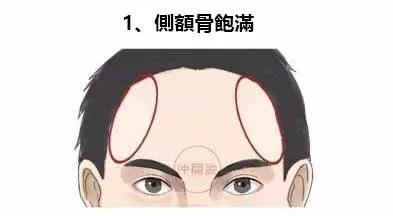
1. Full Temporal Bone
A full and prominent temporal bone is an indicator of strong creativity, suggesting significant opportunities abroad. Whether in a career or business venture, such individuals are likely to achieve success.
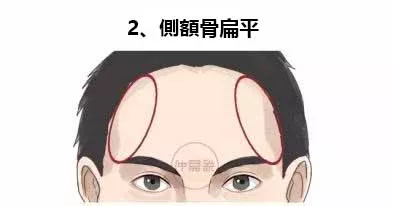
2. Flat Temporal Bone
A flat temporal bone indicates a preference for stability over change, recommending that a person should develop in a steady environment and seek change only when circumstances are favorable.
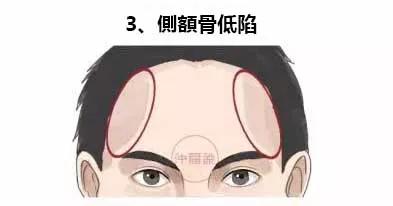
3. Sunken Temporal Bone
A sunken temporal bone suggests difficulty in receiving support during travels, often leading to unproductive outcomes. Such individuals may struggle in roles that demand proactive engagement, like external affairs, public relations, trade, or entrepreneurship.
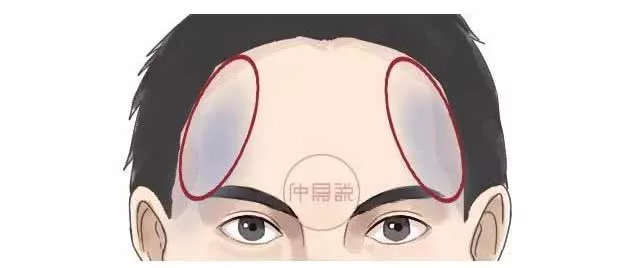
The Complexion of the Palace of Migration
An ideal Palace of Migration has a bright and clear complexion. A dull complexion indicates unfavorable luck, leading to travel challenges and frequent job changes. In such situations, thorough preparation before travel is advised, and it's best to avoid careers where a high level of initiative is required.
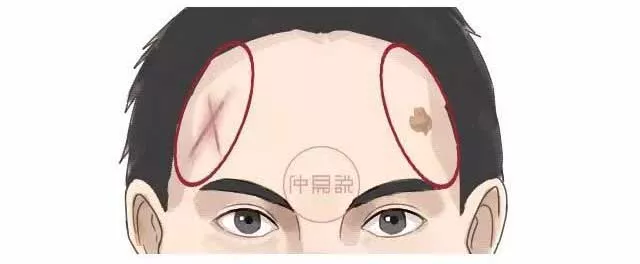
Moles and Scars in the Palace of Migration
Scars or moles on the temporal bone can indicate weak connections with benefactors, making it harder to receive external support and assistance during travels. Such individuals may face minor issues and should work on enhancing adaptability and situational awareness.
Words from the Author
The Palace of Migration is deeply connected to a person’s opportunities in foreign environments. Beyond the temporal bone, other facial features such as the ears, cheekbones, and jaw are also influenced by the Palace of Migration, reflecting fortunes at different life stages.
The upper section represents fortunes from ages 15 to 30, so during these years, the temporal bone is closely observed. The ears are linked to fortunes before age 15 and can reflect how early environmental changes affect a person. Additionally, the ears also signify fortunes in one's later years; after age 70, attention should be paid to the ears, as poorly developed ears could forecast challenges in early and late life.
The cheekbones, located in the middle section, correspond to fortunes from ages 30 to 50, a vital period for career establishment, where external influences play a significant role. The shape and positioning of the cheekbones, as well as the balance of bone and flesh, can impact one's fortune.
Fortunes from ages 50 to 70 should be considered at the jawline, where the structure and characteristics of the jaw significantly influence fortunes during this stage of life.