Primary suggestion: Six Inauspicious Facial Features That Predict Ongoing Misfortune If you truly meant “auspicious” leading to good outcomes: Six Auspicious Facial Features That Signal Lasting Good Fortune
In traditional physiognomy, there is a concept called the “Six Extremes,” referring to six facial areas that are smaller than average. Because these features are considered “extreme,” there is a saying that extremes can bring reversals. People with “Six Extremes” traits are therefore advised to be especially cautious to avoid potential setbacks. Below are the features traditionally included in the Six Extremes.
First Extreme—Large Body, Small Head; Men Hold Back Women, Women Hold Back Men
This first extreme is mainly about body proportions. “Large body, small head” describes an imbalanced build—a larger frame with a relatively small head, often with a smaller forehead. People with this physique are said to face an imbalance after marriage, where one partner thrives while the other struggles. Specifically, a man with this trait may advance his own career and luck while holding back his wife’s prospects.
Conversely, a woman with this trait may benefit her own development but slow her husband’s progress, often leading to a situation where she becomes the primary earner. In short, “large body, small head” suggests one gains while the other loses, so clearly defining roles and responsibilities can help the relationship run more smoothly.

Second Extreme—Narrow Forehead and Small Face; Little Parental Support
This extreme focuses on the forehead and overall face shape. “Narrow forehead and small face” means the forehead looks tight and lacks fullness, while the face appears thin with noticeable hollows (such as sunken cheeks).
This feature is traditionally interpreted as indicating a modest family background and limited support from relatives, making it hard to draw on family resources. Such individuals often need to rely on themselves in the wider world and work harder to succeed.
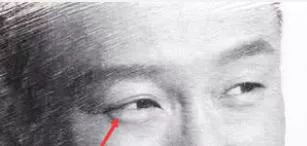
Third Extreme—Small Eyes; Limited Insight and Weak Support from Friends
This extreme is judged by the eyes. “Small eyes” refers to eyes that are noticeably narrow and elongated, sometimes looking half-closed. People with this trait are said to focus on short-term gains while overlooking long-term development, which can cause conflicts over trivial matters and strain friendships—ultimately being penny-wise and pound-foolish.
Those with this feature should actively nurture relationships and be considerate of others to re-engage with their social circles, avoiding becoming isolated at work and in life.

Fourth Extreme—Small Ears; Shorter Lifespan
This extreme looks at the ears. In physiognomy, ears are linked to health and longevity. “Small ears” means ears that are small relative to the face, with thin or absent earlobes. People with this trait are thought to have more fragile health from a young age, with frequent minor ailments and a weaker immune system. As they enter the workforce, overexertion may also bring health issues.
For those with this feature, avoiding fatigue and prioritizing wellness is crucial—health is the foundation for everything else.
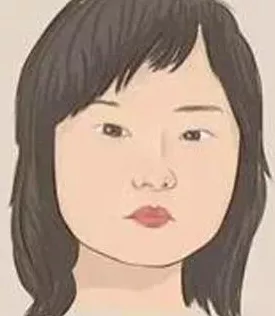
Fifth Extreme—Small Nose; Limited Wealth and Status
This extreme centers on the nose. In physiognomy, the nose is a key indicator of wealth and career luck. The bridge, tip, and nostrils all matter when assessing financial and professional prospects. A “small nose” means the nose is relatively small compared with other features, often with a short bridge and flat nostrils.
People with this trait are said to face headwinds in both money and career—progress can be slow, and gains may be hard to keep. Being cautious and protecting what you build can help improve outcomes.
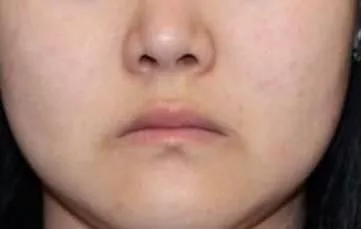
Sixth Extreme—Small Mouth; Facing Hunger and Cold
This extreme is judged by the mouth. A “small mouth” not only takes up a small proportion of the face but also features thin, dull lips (dull meaning pale, chapped, or lacking color).
People with this trait are often prone to spending more than they earn, overspending even with a decent salary. For them, budgeting and disciplined saving are effective ways to avoid financial strain and reduce the risk of living beyond their means.
The above outlines the Six Extremes in physiognomy and what to watch for. If you’re unsure what counts as “very small,” use a comparative approach: compare the person in question with those around them. If a certain feature is noticeably smaller than most people’s, you can make a preliminary judgment.
Images in this article are sourced from the internet; copyright belongs to the original authors.