The Varied Fates of Men and Women on Huya
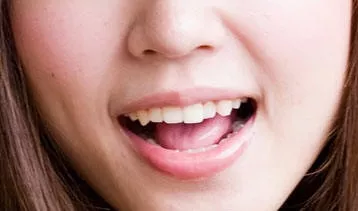
1. What are Canines
Canines, often referred to as "tiger teeth," are the two pointed teeth in the upper jaw that typically emerge around ages twelve or thirteen. They are called "tiger teeth" because of their resemblance to a tiger's teeth. These teeth are crucial as they are strong, have deep roots, and feature a sharp, knife-like shape, which makes them particularly effective for tearing food. Moreover, they are highly resistant to decay, earning them the nickname "longevity stars" of teeth. Without them, the corners of the mouth and the nostrils may sag, resulting in a stiff expression that can prematurely age a person's appearance. If someone has misaligned teeth, particularly if they appear sharp or crooked, with incisors and canines not looking as they should, this condition is termed "ghost teeth." People with such dental traits are often seen as cunning and likely to cause issues in relationships, suggesting insincerity and a tendency to be deceitful. Women with these teeth may face challenges such as financial difficulties and unemployment. Men wanting to avoid liabilities should be cautious in their associations.
2. Are Canines Beneficial for Men and Women?
For men, canines, or "tiger teeth," can indicate a strained relationship with their parents and a fragile marriage. Conversely, women with prominent canines often find success in marriage and financial matters due to their strong will and ability to pursue their goals effectively.
3. Ancient Physiognomy Analysis of Canines
According to ancient physiognomy: "Leopard teeth and red eyes indicate a treacherous person." Here, "leopard teeth" refers to small canines, which, when protruding outward, are seen as a sign of deceitfulness and treachery. "Red eyes" suggest a lack of compassion, and it is recommended to avoid individuals with these traits. Ancient physiognomy also emphasizes the importance of the eyes; those whose eyes often dart around or shift sideways are described as having "mouse eyes," which signals suspicion and distrust, making them unsuitable for close relationships.
4. What About Other Types of Teeth?
The condition of a person's teeth can reflect their longevity and health, affecting their emotions and revealing aspects of their character and fortune.
- Individuals whose lips do not fully cover their teeth are perceived as having prominent teeth, often seen as dynamic, stubborn, and lacking restraint. However, this isn't an absolute rule; the real implication is that such individuals might attract trouble and have weaker social connections.
- Those with large incisors are often described in physiognomy as energetic with strong sexual desires, with women being seen as fortunate in childbearing. While this can be amusing, individuals with larger incisors might act impulsively, which can influence their fortunes. Nonetheless, there's a distinction: impulsive behavior can be perceived as boldness, and opportunities might favor the bold, although inherently timid individuals with large incisors might not necessarily find success.
- It is a misconception that individuals with gaps between their teeth cannot accumulate wealth. The more accurate belief is that they may miss some financial opportunities, but this doesn't preclude them from achieving prosperity.
- People with uneven teeth may be thought to have shorter lifespans. This interpretation suggests a possible hot-tempered nature, leading to challenges in maintaining harmonious relationships. While there may be truth to this, dental appearance alone is not an absolute indicator. Those with uneven teeth might simply be more impulsive, which can lead to unnecessary material and social losses, depending on other facial characteristics.
- A small face combined with large teeth is seen as an ominous sign, indicating a life of hardship, difficulty acquiring wealth, and a potentially shorter lifespan.
Overall, teeth do not significantly impact one's fortune, and dental characteristics alone cannot define a person's traits. Just as physiognomy cannot be rigidly interpreted from texts, one must delve into the nuances of these matters. Individuals with less-than-perfect teeth can still achieve health and longevity by understanding their traits and nurturing their inner selves.