The Art of Face Reading: Enhance Your Appearance and Boost Your Fortune
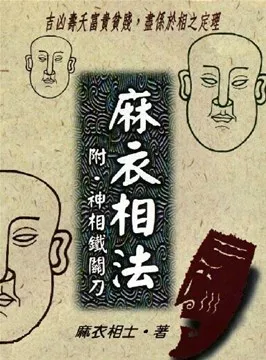
Unlike most ancient practitioners, the creator of "Ma Yi Physiognomy" believes that face reading is a benevolent act that brings blessings. This belief stems from its ability to guide people in pursuing good fortune and avoiding bad events without risking any "leakage of heavenly secrets." It's widely acknowledged that physiognomy can impact a person's destiny; while it has roots in natural genetics, it can also be altered by external factors. Therefore, the most effective way to improve one's fate is by developing a good heart, as this is a fundamental truth.
However, some practitioners claim that, based on teachings from their mentors, engaging in good deeds can actually result in disaster and poverty. This significantly strays from the "Great Way." For instance, a recent comment on the author's blog suggested that "Feng Shui is stringent and has never asserted that doing good can alter Feng Shui; accumulating virtue and doing good can bring about the most painful death." This inspired the author to write this article to prevent readers from being misled. Some readers might think that yes, Feng Shui is rigorous and even scientific; how can performing good deeds and accumulating virtue enhance Feng Shui?
I pose this question: How does the rigor of Feng Shui measure up to any modern science? Yet, modern science emphasizes the importance of a "friendly environment." To me, this friendliness signifies the positive interaction between humans and their surroundings, including tools, machines, and equipment, often described as "the unity of heaven and man." And what defines a person? Beyond the heart, what exists? Aren't all your actions governed by your heart? Can someone with a malicious heart achieve favorable outcomes?
It's no surprise that many stories circulate about individuals with poor behavior seeking corrupt Feng Shui masters to change their fate. Ultimately, these Feng Shui masters profit while the individuals remain ensnared in their unfortunate destinies, often facing consequences like "loss of position, dismissal, or imprisonment." These deceitful Feng Shui practitioners thrive, offering countless historical and cultural examples. In truth, the principles of heaven and earth mirror the human heart. A corrupted conscience will eventually lead to retribution; it's not a matter of if, but when, as time will eventually reveal. Feng Shui is akin to this, and the accuracy and reliability of physiognomy remain constant throughout.
To revisit the "heart methods" prescribed by the ancients to cultivate the heart and transform one's physiognomy: "Ma Yi Divine Physiognomy" provides "Thirty-Six Good Heart Cultivation Techniques," outlined as follows:
1. Maintain a Calm Mind
"Ma Yi Divine Physiognomy" notes: "If the body protrudes, the heart will be restless; if the heart is expansive, the energy will be harmonious." A protruding body suggests an easily agitated heart. Hence, it is wise to broaden your mindset, as a broad heart fosters harmonious energy.
2. Speak Less
A person's fortune and misfortune are greatly influenced by their actions, especially in controlling their speech. A calm person who speaks sparingly may occasionally face losses, but they ultimately gain blessings. Thus, "Divine Physiognomy" advises: "Speak less and be profound, and blessings will come more."
3. Balance Firmness and Gentleness
Everyone aspires to succeed and naturally nourishes ambitions for achievement. However, ambition should be balanced with firmness and gentleness. In other words, be resolute when needed and gentle when appropriate. Hence, understanding "Divine Physiognomy" means realizing: "The heart desires success, and this heart possesses both firmness and gentleness."
4. Associate with Gentlemen
"Divine Physiognomy" advises: "Admire goodness and associate with gentlemen; share good food with others." This suggests that to achieve good results, one should associate with morally upright individuals. Simultaneously, avoid greed by sharing with others, thereby gaining friends.
5. Avoid the Wicked
"Wicked people" inherently possess skills but employ them with malice, so they should not be undervalued. Thus, the best practice is to distance yourself from such individuals, facilitating discreet good deeds. As "Divine Physiognomy" puts it: "Avoid gossip about wicked people, and it will be easier to perform hidden virtues."
6. Manage the Family Well
Confucianism emphasizes a person's life responsibilities, highlighting the importance of managing the family as a precursor to governing a state. Proper family management requires methods, skills, and guiding principles.
Cultivating compassion in children is also vital. For instance, when encountering someone begging, one should help and also show empathy. This develops a child's compassionate nature, teaching them to appreciate their family even in adversity. "Divine Physiognomy" states: "One who can manage the family has methods and does not disdain beggars."
7. Self-Discipline and Benefit Others
"Divine Physiognomy" also advises: "One who practices self-discipline and benefits others refrains from evil, greed, or harm." This suggests being strict with oneself, generous to others, avoiding evil company, greed, and violence. Fortune and misfortune are invited by oneself, and the law of karma is cyclical.
8. Remain Unshaken by Events
On receiving unforeseen news, stay composed; panicking prevents effective problem-solving. Furthermore, trust in interpersonal relations should never be compromised. According to "Divine Physiognomy": "Remain unshaken by events and do not lose trust with others."
9. Do Not Change Your Appearance Frequently
"Divine Physiognomy" proposes: "Do not frequently change your appearance; sleep at night as if you are already asleep." It implies maintaining consistency in behavior, especially during travel, and achieving restful sleep, indicating peace of mind—an essential aspect of heart cultivation, especially when traveling.
10. Do Not Show Anger Upon Seeing Others
This statement is preceded by "Do not look back while riding." In other words, avoid excessive curiosity and displaying disdainful expressions toward others, as this disrupts inner peace and may invite trouble.
11. Be Thorough in Your Actions
"Be thorough in your actions" is a heart cultivation technique taught by "Divine Physiognomy." Cultivating the heart typically involves reducing anxiety and overthinking. However, being thorough means attentiveness and careful planning, ensuring actions are well-considered and avoiding unnecessary problems.
12. Do Not Cover Up Mistakes
"Do not cover up mistakes" emphasizes acknowledging facts and principles. One should not easily cover up personal mistakes, as doing so can lead to unease and prevent personal growth, ultimately offering no benefit.
13. Remember Kindness
An old saying goes: "A drop of kindness is rewarded with a fountain." This emphasizes the moral duty of gratitude. Forgetting acts of kindness can harm future relations and leave a bad impression.
14. Be Generous in Your Judgments
This generosity involves measuring others lavishly, not oneself; measuring oneself requires "tolerance." A narrow outlook fosters dissatisfaction and problems, hindering heart cultivation.
15. Do Not Defame the Good or Harm the Bad
Refrain from slandering kind people and their good deeds, as this invites heavenly retribution. When dealing with wicked individuals, avoid harmful intentions as their eventually inevitable justice is a matter of laws, not personal vendettas.
16. Help Those in Urgent Need
"Divine Physiognomy" encourages helping others in urgent need, emphasizing the role of kindness in heart cultivation. Such acts of kindness benefit both oneself and the world, enriching one spiritually.
17. Do Not Bully the Weak
Supporting those in urgent need naturally opposes "aiding the strong to bully the weak." Mistreating others is inherently wrong and contaminates the heart, hindering spiritual growth.
18. Do Not Forget Old Friends
In social engagements, new friendships will form, but one must always remember and value old friends who may offer unmatched support or understanding.
19. Do Not Seek to Stand Out
In situations dictated by human interaction, maintaining moderation avoids jealousy or mockery and fosters a balanced heart, aligning with the principle of cultivating the heart according to "Divine Physiognomy."
20. Do Not Speak Recklessly
Regardless of the alignment of others' behaviors or views with personal beliefs, refrain from careless criticism or opposition, which can disrupt inner tranquility.
21. Be Grateful for What You Receive
Avoid accepting money or gifts lightly as it creates indebtedness, but genuine acts of friendship and kindness should be met with gratitude, expressing heartfelt appreciation in return.
22. Speak Clearly and Logically
Thoughtful and logical speech prevents misunderstandings, ensuring clarity and effective communication.
23. Do Not Interrupt Others
Conversation requires patience and respect; do not interrupt others, as providing space for expression fosters mutual respect and equitable dialogue.
24. Regularly Do Good Deeds
Good deeds, especially when done consistently and without expectation of reward, cleanse the soul and offer redemption. The act should reflect genuine kindness, not a pursuit of fame or wealth.
25. Do Not Disdain Simple Clothing and Food
Sustenance and attire serve life's basic needs—luxury in these areas often consumes blessings and cultivates greed, polluting the heart.
26. Adapt to Circumstances
Adapting involves mindfulness and natural flow with changing circumstances, promoting alignment with nature and progress alongside evolution.
27. Be Tireless in Doing Good
Continuously and joyfully engaging in good acts without fatigue reflects the highest realm of benevolence and spiritual development.
28. Acknowledge Others' Hard Work
Empathy in acknowledging the efforts of others nurtures a healthy mindset and recognizes collective contributions to individual success.
29. Do Not Hold Grudges
Releasing grudges and embracing forgiveness elevates character and encourages spiritual growth, aligning with the understanding of karma and retribution.
30. Strive to Help in Times of Crisis
Assisting others in crises not only provides support but also serves as an opportunity for moral development and enhancing one's own fate.
The above points encapsulate the main content of the "Thirty-Six Good Heart Cultivation Techniques." As the first ten points contain six other heart techniques, I have linked them due to their interconnected nature, and I appreciate your understanding.