Qingya Jushi: Vitality in Fur, Natural Energy as the Key to Longevity
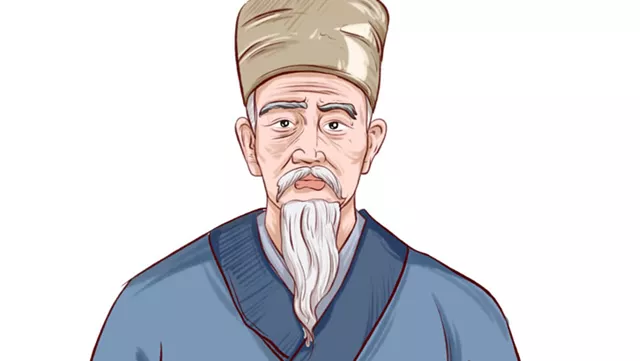
A person's lifespan can generally be divided into three categories. The first is the innate lifespan, which modern science suggests is influenced by genetics, although physiognomy presents a different interpretation. The second category involves acquired practices, such as Ba Duan Jin (Eight Pieces of Brocade), Yin Yang longevity methods, and Shaking Hands exercises, among others. The third category pertains to the impact of fortune, including events like disasters or illnesses that are not natural causes of death.
According to physiognomy, a person's natural lifespan is most significantly affected by their innate energy. This energy's strength can be observed in two key areas: the eyebrows and the ear hair. If the eyebrows are long and dense, it suggests a longer innate lifespan, especially if there are no major issues or defects in the three main regions of the face. Typically, individuals like this can live beyond eighty-five, and if the lower facial areas are well-developed, they might even reach ninety. Ear hair refers to hair along the ear rim; if this hair is long, it also indicates robust innate vitality and longevity.
For those lacking strong hair in these two areas, it's crucial to consistently practice health-preserving techniques, such as breathing exercises and regular meridian clearing, to prevent illness. I have witnessed individuals with extremely poor innate health who, after practicing a health regimen for over a decade, significantly improved their physical condition. However, this practice must be maintained continuously, as those with weak innate health need ongoing adjustments. It's important to note that those with strong innate energy are not immune to illness; they might just live slightly longer, even without health practices. Nonetheless, poor lifestyle habits can still reduce their lifespan.
In today’s society, I notice two prevalent behaviors contributing to illness among many individuals. The first is overeating, as many restaurants use excessive spices to enhance flavors. Those in the know recognize that some restaurant owners avoid eating their food. Constant indulgence in flavorful dishes over decades accumulates toxins in the body, particularly with foods like barbecues and late-night beers, resulting in some individuals experiencing age-related diseases even by the age of forty. The second behavior is excessive indulgence in leisure, characterized by staying up late and leading an irregular lifestyle.
Many people do not realize the importance of conserving longevity energy, believing that taking medication or receiving IV fluids is sufficient when they fall ill. In reality, by the time chronic diseases emerge, physiological functions might have already deteriorated, a process that can span several years or even decades. At that stage, recovery becomes extremely challenging.