People with Long Chins Tend to Be Loyal and Helpful
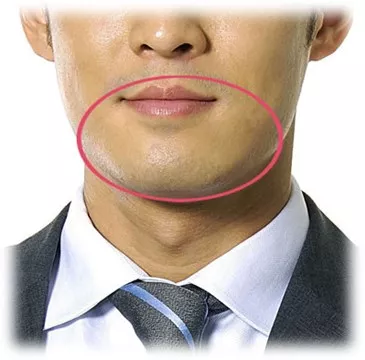
In facial analysis, the face is divided into three sections: the upper part (forehead), the middle part (bridge of the nose, nose, cheekbones), and the lower part (philtrum, chin). These sections correspond to different stages of a person's life: early, middle, and late fortune, respectively. The chin is a key aspect of the lower section and pertains to a person's later years. It includes the jawbone and the chin itself, extensions of the dental bone, which represent willpower and social skills.
The chin is also associated with the kidneys and bladder within the body. In terms of personality traits, it signifies intelligence and wisdom, and in the context of family, it represents children. Individuals with well-defined chins are often kind, filial, capable of retaining wealth, and enjoy a prosperous old age. A man with a round chin is seen as blessed, unlikely to worry about food and clothing in his later years, with strong kidney function, good development, abundant vitality, and wisdom, often becoming a respected figure. Those with less defined chins should plan for the future, especially as they approach 70, and focus on health maintenance.
Let’s explore the characteristics of individuals with prominent chins.
I. Men with prominent chins value loyalty
Men with prominent chins are typically upright, proactive, serious about their work, patient, and steady. They are known for seeing tasks through to completion, enjoy helping others, value loyalty, and show a lot of care, resulting in strong social connections. These individuals have an adventurous spirit, are outgoing and energetic, possess strong willpower, and exhibit good judgment—traits often associated with longevity. However, they can be stubborn and emotionally sensitive; they invest heavily in relationships and are committed to their families after marriage. For women seeking a gentle and considerate husband, a man with this facial feature is an excellent choice!
II. Women with prominent chins are virtuous and capable
Women with prominent chins have a personality that appears tough but is soft on the inside, making them ideal wives and mothers who devote themselves to their families. They are adept at managing household affairs and planning family life efficiently, displaying resilience and organization. These women can also thrive as strong career figures. However, they may become overly controlling, imposing strict expectations on their spouses, which can create an imbalance of feminine over masculine energy in the household.
III. Different shapes of prominent chins
The length of the chin alone does not determine a person's fate; it merely reflects general facial features. Understanding the specific traits linked to different kinds of prominent chins requires recognizing the variations present. It is essential to appreciate the facial characteristics indicated by various types of prominent chins.
1. Long but narrow chin
Individuals with a long but narrow chin are often perceived as having shorter lifespans or experiencing less fulfilling old age. A long and narrow chin conveys a sharp impression, suggesting difficulties in social interaction.
2. Long and round chin
A long, full chin, often resembling a "double chin," signifies inherent wealth, giving the impression of affluence. Especially on women, this chin type suggests nobility and leadership qualities, making them ideal partners.
3. Long and wide chin
This chin type reflects a stable character and is typically more common among men. Individuals with this chin shape are seen as natural leaders, marked by steadiness and practicality. Many successful men have this chin type, although family life may not be their priority, embodying the saying "brothers are like hands and feet, women are like clothes."
4. Excessively long chin
Those with an overly long chin may experience loneliness in old age, characterized by suspicion and cunning. They might spend their lives calculating, unaware of the interconnectedness of people and experiences.