Double Trouble: Are People with These Facial Features More Prone to Bad Luck?

Image source: Pexels
Some people seem to be blessed with fortune from birth, growing up in affluent families with access to top-notch education. As they mature, they enjoy successful careers, fulfilling relationships, and comfortable retirements. Throughout their lives, they encounter numerous helpful benefactors, as if fate has truly favored them. While some are consistently showered with good fortune, others seem unable to escape misfortune, feeling abandoned by destiny as they face continuous setbacks and challenges. They struggle with every endeavor. So, what facial features are associated with a life of bad luck in physiognomy, where misfortunes abound and blessings are rare?
Blue Tinge on the Yintang

The Yintang, also known as the "Palace of Destiny," is highly significant in physiognomy. It represents an individual's life achievements, wealth, career, and interpersonal relationships, while also reflecting one's mental state and current fortune. If the Yintang has a blue tinge, it suggests the person should exercise caution, particularly with safety, to avoid unforeseen accidents, especially in traffic. It is advisable to avoid traveling alone or visiting unfamiliar places, as the risks are high. Those with a dark red Yintang may find themselves embroiled in disputes over minor matters, and if they do not restrain themselves, these conflicts could intensify, leading to unfavorable outcomes.
Low and Sunken Root of the Nose
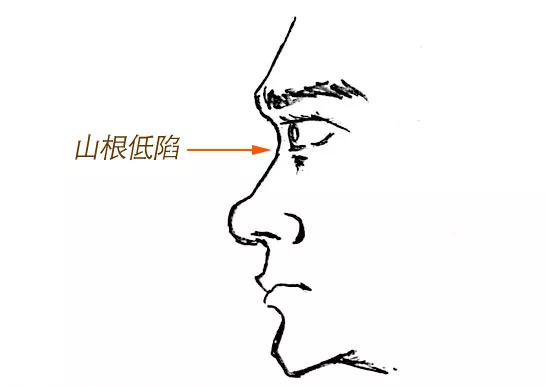
As the saying goes, "Look to the nose for fortune," and the root of the nose is a crucial part of this. The nose reflects not only a person's temperament and self-awareness but also provides insights into their current life situation and fortune. Individuals with a low or sunken root of the nose often experience poor luck, finding it difficult to succeed in any endeavor. They may feel overwhelmed and anxious. Additionally, those with a bluish tint at the root of the nose or unexplained moles may have underlying health issues and are prone to accidents, embodying the idea that misfortunes rarely come alone, and blessings are scarce.
Small and Thin Ears
In physiognomy, ears often indicate a person's health and longevity. They reveal not only childhood fortune, family background, and education level but also predict future development, achievements, and health. Small ears, which are disproportionately small compared to the face, along with thin or absent earlobes, suggest a congenital deficiency. Such individuals often suffer from poor health from a young age, lacking immunity, and may face work-related health issues as they age. Thus, individuals with this facial feature are considered quite unfortunate, with little fortune.
Sunken Canthus
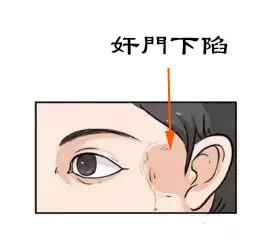
The area from the outer corner of the eyes to the temples is known as the "Canthus," which governs emotions and marriage and is essentially the palace of relationships. If the Canthus is sunken or scarred, it often suggests poor marital relationships, with frequent conflicts over minor issues, making it difficult to maintain a lasting marriage. Individuals with this feature may face betrayal and schemes in their careers after age 30, leading to unnecessary disputes and significant financial losses. They often belong to the category of those who experience numerous misfortunes, struggle to earn money, and lead lives of hardship. Marital life is frequently unhappy, filled with mutual complaints and lacking joy.
Narrow Tianzhai Palace

The Tianzhai Palace is one of the twelve palaces in star destiny astrology, located between the eyebrows and eyes, often referred to as the "Family Palace." It primarily reflects a person's family situation. Those with an underdeveloped Tianzhai Palace often face family relationship challenges, resulting in tension. If blemishes, acne, or scars appear in this area, it typically indicates poor relationships with family members, often leading to conflicts for various reasons. Individuals with a narrow Tianzhai Palace tend to be impatient and easily agitated, leading to hasty judgments. These can result in poor decisions causing financial losses, leaving them feeling that fate is unfair.
Prominent Cheekbones without Flesh
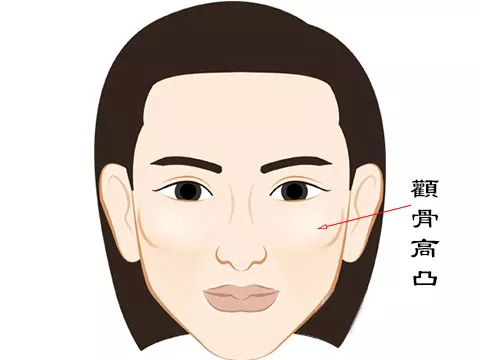
In physiognomy, cheekbones are as important as the nose, representing a person's power and dominance. The height and color of the cheekbones can indicate one's fortune. High or overly prominent cheekbones suggest that the individual may adopt an arrogant demeanor, isolating themselves from others and often engaging in disputes. Such individuals are typically stubborn and domineering, making it difficult to form genuine friendships. Those with prominent cheekbones and little flesh tend to have a bad temper and are unreasonable, often facing severe consequences in their careers due to their temperament, leading to a lack of fortune and difficulty in gaining recognition or promotion. These individuals are often considered to live lives of extreme misfortune, experiencing misfortunes without blessings.
Lingxia Network Original article, please do not reproduce without permission.