Liu Heng's Interpretation of Liu Zhuang's Physiognomy: Analyzing Wealth and Status Through Facial Features
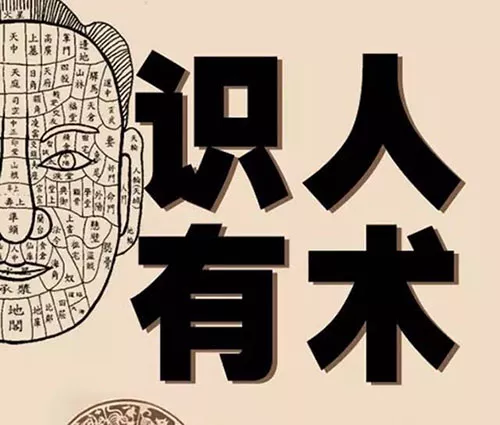
In life, virtue is essential; a true gentleman appreciates kindness and reciprocates it. We should always remember the source of our blessings and find joy in simplicity. Each grain of rice and drop of soup should remind us of their origins, keeping in mind the hardships behind every thread of clothing. As the saying goes, "One should not exhaust their strength, indulge in all pleasures, seize all benefits, exploit every cleverness, or calculate each plan to its fullest; doing so will result in the loss of moral order."
The relationship between Emperor Yongle and Master Liu Zhuang is a classic example illustrating the principles of physiognomy. It uses a question-and-answer format to explore the connection between facial features and destiny, serving as a model for studying physiognomy and addressing various doubts and complexities. Teacher Liu Heng adds contemporary commentary to the original text.
"Yongle's Hundred Questions" is an ancient text on physiognomy. Created during the Ming Dynasty by Emperor Yongle, who had a keen interest in physiognomy, in collaboration with the renowned physiognomist Master Yuan Liu Zhuang, this book covers a wide range of topics from nobility to common folk. It is a rare treasure in the field of physiognomy and is considered essential for anyone studying this art.
Why is there often a lack of wealth despite abundant blessings in life?
Response: When Saturn is aligned, with a proper well and stove, and the nostrils are small, one is likely to have excess money throughout life. However, if the lips are thin and dark, one might struggle to enjoy life fully and only live by fate. Those with dark lips, even with significant wealth, may find meeting basic needs difficult.
Supplementary Commentary by Liu Heng: Some people lack wealth and blessings due to past lives marked by stinginess or excessive wastefulness. From a physiognomic perspective, a straight and firm nose, an intact bridge, and well-defined nostrils indicate a cautious financial nature, treating money as essential, leading to financial surplus. In contrast, thin and dark lips suggest a lack of enjoyment in life, indicating that even with great wealth, one may not have the fortune to enjoy it.
Liu Heng further explains that a narrow and pointed forehead often indicates greed, leading to poverty; a sharp, bony nose suggests a mean disposition, resulting in financial scarcity; small, thin ears indicate a lack of wisdom, causing downfall; small lips and a tendency to sip reflect stinginess, leading to loneliness and poverty;
prominent cheekbones suggest unreliability, leading to loneliness in old age; a stiff neck indicates arrogance, resulting in setbacks; high, protruding cheekbones suggest extreme cunning, which ultimately leads to self-destruction; pointed and broken eyebrows indicate a lack of compassion, leading to hardship; thick, coarse hair indicates impulsive actions, which often lead to failure.
Why is there often a lack of wealth despite good fortune?
Response: The text states: "To enjoy the blessings of the noble, one must have noble teeth. To wear the clothes of the noble, one must have a noble body." Generally, if a person has red, moist lips with well-proportioned upper and lower lips, they will enjoy plenty of food and drink throughout their life. However, if the nose is bony and the nostrils overly exposed, wealth is unlikely.
Supplementary Commentary by Liu Heng: Some people have ample resources but still find their finances lacking. The original text explains that to enjoy the blessings of the noble, one must have noble features. Food and drink are provided based on fate, determined by past causes. Generally, red, well-proportioned lips indicate abundance, but a bony nose with thin wings and overly exposed nostrils signals limited financial resources, resulting in having plenty to eat but lacking wealth.
What does it mean when someone with good features dies young?
Response: Do not equate goodness with beauty. Those who die young often show signs such as a weak spirit, pale complexion, thin skin, frail bones, uneven flesh and blood, misaligned features, lifeless eyes, and a weak voice. A seemingly perfect face may lack vitality, making longevity difficult. Excessive energy without balance shortens life. Generally, longevity depends on spirit and vitality.
Supplementary Commentary by Liu Heng: Why do individuals with good features die young? Physiognomy is not about beauty; it doesn't judge people based on appearance. Those who die young often exhibit signs of short life; a weak spirit leads to a lack of vitality; the five elements being imbalanced causes a lack of blood; thin skin over bones indicates liver blood deficiency;
weak bones suggest kidney deficiency; flesh is the foundation of life, while blood is its sustenance; uneven flesh and blood contribute to a short life; features correspond to internal organs; misaligned features indicate internal disharmony; the eyes reflect the liver and kidneys; lifeless eyes suggest kidney deficiency and a lack of liver blood;
a weak voice and short breath signify insufficient energy; a face with good features but lacking vitality is unlikely to reflect longevity; strong spirit in the eyes and ears without balance affects longevity; lacking vitality in features suggests lifelessness, hinting at early death; good features with short breath suggest a shortened lifespan. Longevity requires a balance of flesh and bones, sufficient energy and blood, and a harmonious spirit and form, with vibrant features as its foundation.