Reading Life’s Fortunes and Misfortunes from the Neck
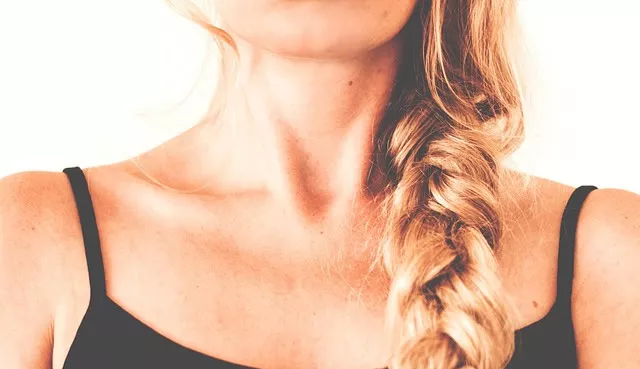
Image source: Pixabay
In traditional physiognomy, the neck is called the "cervical region" or the "nape." The neck is considered highly important—“the upper part supports the head, while the lower part supports the body.” It links the head, which symbolizes the source, to the torso and on to the limbs, representing the gradual unfolding of all things. Sitting in this unique position, it forms a crucial bridge between thought and action, underscoring its significance. People with a straight, sturdy, and smooth neck are said to enjoy great fortune; those with a straight, full, and firm neck are seen as well-off; and those with a full neck with soft folds like draped fabric may enjoy both wealth and longevity. The neck’s importance in physiognomy is therefore quite prominent. Below, Teacher Hongxiang discusses several neck traits to help us read indicators of wealth and hardship in life. May it be helpful to all.
1. The Thickness of the Neck
This refers to how thick the neck appears from the front. An ideal neck is full and firm—rounded and well-fleshed, with toned muscles and a smooth, healthy-looking complexion. People with such necks tend to do well in their pursuits and have strong financial prospects. Their careers often progress without undue strain, and they may even encounter opportunities that come with relatively little effort, benefiting their families and contributing to a prosperous household. If the neck is too thick, however, the person may enjoy longevity but fewer blessings. If the neck is too thin and the muscles are slack, the path may be less smooth. Such individuals often need patience and perseverance in their work, and their finances may demand great effort for modest returns. Achieving standout results requires considerable exertion, and they may hit bottlenecks that are hard to break through. Thin-necked individuals may also be prone to negative moods, with a tendency toward resentment or self-sabotage.
2. The Length of the Neck
Neck length should be assessed relative to body type. For a heavier build, a somewhat shorter neck is acceptable; for a slimmer build, a longer neck is preferable—but not overly long. When the neck is in proportion, things tend to go smoothly. Such people often encounter opportunities and receive help from benefactors, leading to steady career growth and a harmonious family life. With support from family, friends, and colleagues, their life path tends to flourish. By contrast, if a slim person has a disproportionately long neck, or if a thin person has a short neck, their efforts may often fall short, with more obstacles and friction. They should be cautious in dealings with others, as they may get drawn into gossip and trouble caused by others. An excessively long neck can also signal strong jealousy, which can strain relationships.
3. The Adam's Apple
The Adam's apple is most noticeable in men, but in both facial and bodily physiognomy an overly prominent Adam's apple is considered unfavorable. In those who are overweight, a large Adam's apple is especially inauspicious, inviting difficulties and setbacks, increased worry, poor financial prospects, susceptibility to losses, and potential health concerns. In those who are slim, a large Adam's apple can likewise signal stagnation, lack of progress, and a challenging path. The more pronounced it is, the tougher things may become. By contrast, people with a barely visible Adam's apple tend to have smoother paths; even when challenges arise, they can gradually overcome them or receive timely help, supporting good financial outcomes.
4. The Veins of the Neck
Here, “veins” refers to the blood vessels and cord-like muscles engaged in neck movement. Blood nourishes the head, but if these veins are overly prominent on the surface, the person may be flamboyant and easily agitated, acting on impulse without careful thought. In interactions, they may rush and overlook details. If the veins are less visible and sit deeper under the skin, the person tends to be more meticulous and serious in their work, with a more reserved demeanor. They are less likely to act impulsively and usually handle social situations with propriety, though they may still feel impatient and prone to overthinking.
5. The Lines on the Neck
These are the horizontal wrinkles on the neck. If the horizontal lines on the front sit just above the Adam's apple, it points to a difficult path, struggles in achieving success, and a tendency to feel weighed down by worry. If the lines do not sit above the Adam's apple, the outlook is more favorable. However, if there are too many lines—more than four or five—and they are deep and dark, this also signals declining fortune and potential health issues, which can leave one feeling helpless.
6. The Tilt of the Neck
This refers to whether the neck tilts forward or backward. A slight forward tilt suggests a gentle disposition, with life moving along relatively smoothly and agreeably. A slight backward tilt can indicate a stricter, more rigid approach that makes adaptation harder. If the neck tilts too far forward, the person may be overly calculating—careful and thorough at work, yet feeling overburdened and somewhat insecure. If the neck tilts too far backward, it may point to either a weak or an overly aggressive temperament. A perfectly upright neck suggests a straightforward character but may also reflect limited blessings.
7. The Proportion of the Neck
This looks at how the neck relates in size to the head and body. Harmonious proportions strongly suggest good fortune and career development. If such individuals seize opportunities, they are likely to achieve notable success. They tend to be steady and composed, able to handle the unexpected rationally, and readily earn others’ trust. If the neck-to-head proportion is markedly off, many aspects of life may feel unsatisfactory. Such individuals should be mindful of their health and manage money carefully to avoid overspending.
In summary, a crooked, thin, or weak neck rarely signals great talent, making significant achievement harder to attain. Scars, discoloration, and other irregularities likewise suggest a solitary nature and slower reactions. Even those with a round, long neck may ultimately face poverty, while those with a crooked or tilted neck may display a harmful disposition.