What Does Body Hair Reveal About Your Fate?
Image source: Pixabay
Hello everyone, and welcome to this edition's topic on facial features! We have a fascinating theme for you this time: exploring the relationship between "body hair" and facial features, particularly how hair grows on various parts of the body.
Before you proceed: Keep in mind that body hair is a relatively minor consideration in facial feature analysis. When interpreting features, it's crucial to consider the entire picture and avoid making judgments based solely on one part or aspect. Features should never be viewed in isolation!
Overview of Hair
In traditional facial feature analysis, body hair can generally be classified into several categories: hair on the head, eyebrows, nose hair, ear hair, beard, armpit hair, chest hair, pubic hair, leg hair, arm hair, and hand hair... although armpit hair is rarely discussed in detail.
First and foremost, for both genders, body hair should neither be overly abundant nor too sparse, and it should be soft and shiny. Thick, coarse eyebrows and rough hair can indicate a strong-willed personality and a short temper, applicable to both men and women.
(This attribute can be combined with other features for a holistic analysis. If a face shows unfriendly traits, such as crab-like eyes or prominent cheekbones, along with very thick and dark eyebrows with coarse hair, that individual may appear fierce and aggressive, especially men; it's generally wise to steer clear of provoking such individuals.)
Hairline
When it comes to hair, we have to specifically mention the hairline. A neat hairline is desirable as it indicates a person who can effectively carry out their plans, whereas a messy hairline can suggest a lack of clarity and rational goal setting.
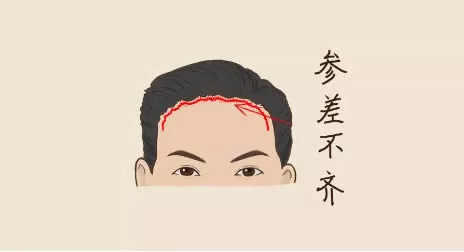
For women, an uneven hairline or stray hairs and fuzz may point to issues in marriage or significant differences in age, region, or family background with a partner...
Talking about the hairline also brings us to the forehead. The height of the forehead, measured from the eyebrows to the hairline, not only underscores one's fortunes between ages 15 and 30 but also significantly affects their talents, character, worldview, and family background.
Ideally, a forehead should be square, broad, and full, not sunken or shrunken. A well-developed, bright forehead, regardless of its hair or baldness, is generally advantageous in these aspects. Many top students or leaders in the workplace often showcase such foreheads.
However, if the forehead is too low and narrow with a disorderly hairline, indicating a clear imbalance, individuals might consider adjusting their hairline before age 30 to enhance their forehead's area. This can improve early fortunes and foster rationality and optimism. (Adjustments should be minimal to maintain the original three-part facial structure.)
V-Shaped Hairline
For those with uneven hairlines, a pronounced V-shape could be indicative of a weaker paternal connection (such as health issues with the father, concerns caused by the father, limited support from him, or a lack of shared interests, etc.). The degree of impact should be assessed individually.
Furthermore, a pronounced V-shaped hairline can impede academic performance. Many who enter the workforce early display V-shaped hairlines, especially among women.
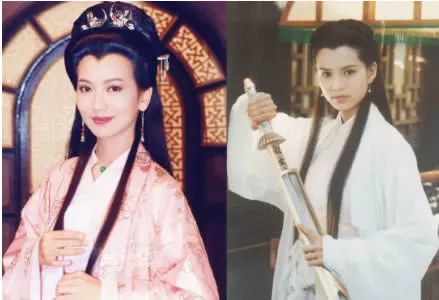
Those with V-shaped hairlines often have impatient personalities, a strong competitive spirit, high curiosity, and a rebellious streak. For career-driven individuals, it may also highlight a "fighting spirit," and at times, their stubbornness can lead to unexpected successes against all odds. (This should be assessed alongside other facial features.)
Nowadays, hair transplants are quite popular, and the idea of "hairline hair removal" might sound unusual, especially to those experiencing baldness. However, if someone has a low forehead, uneven hairline, and a V-shaped hairline, they might benefit from considering hair removal.
Moreover, if body hair is either too sparse (more noticeable in men) or overly abundant, or if it suddenly becomes unusually thick at a certain time (more common in women), it's worth considering if these changes are related to health issues.
Body hair also plays a significant role in showcasing sexual characteristics, with different implications for men and women. Below, we outline these differences.
Body Hair in Men
For men, having abundant or thick body hair typically signifies good health. There's an old saying: "A good man has hair all over," meaning that men usually don't need to worry about hair removal (unless for personal aesthetic reasons, in which case, feel free!).
Beard
Among all body hair, the beard holds a significant impact for men.
Many have heard that a man's beard could relate to his sexual prowess: if the beard is too light or sparse, it may raise concerns about kidney deficiency. (In films, characters with kidney deficiencies are depicted with slicked-back hair and no beard.)
Why is the beard linked to reproduction? The basic reason is simple: for men, beards reflect the circulation of vital energy and blood, which are tied to reproduction. For instance, the phrase "full of vitality" describes a young man brimming with energy and vigor.
The generation and circulation of blood are contingent on the movement of vital energy; stagnant energy results in stagnant blood. However, the functionality of this energy relies on nourishment provided by blood. Moreover, energy from digestive and excretory systems stimulates male hormone secretion, affecting the development of secondary sexual characteristics, hence the saying "the beard reflects kidney health."
In essence, whether or not someone has a beard, its thickness or sparsity reflects vital energy and blood flow and also hints at sexual characteristics to some extent.
This point is also supported by the "Huangdi Neijing" (The Yellow Emperor's Classic of Medicine): "...those whose vital energy and blood circulation in the digestive and excretory systems are normal will have soft and attractive facial hair on the upper lip (especially the philtrum) and the lower lip (below the mouth)... those with less blood and more energy will have disordered and uneven facial hair... those with more blood and less energy will have sparse facial hair... those deficient in both energy and blood will have no facial hair at all..."
Young men who are at the age to grow facial hair but have none or sparse hair should consider consulting a doctor, as it might be linked to hormonal or endocrine abnormalities or a deficiency in vital energy and blood.
Growing a Beard with Considerations
Although most men regularly shave, some prefer to grow beards. Here are a few reminders for those opting to cultivate a beard:
1. If you choose to grow a beard, keep it well-groomed, ensuring it doesn't appear messy, coarse, or dry; regular upkeep is essential. Men who dislike grooming should not grow a beard, as it is not beneficial in terms of facial features.
2. If you have a beard on your upper lip, ensure there's no lack of hair on the philtrum: having a beard on the upper lip but none on the philtrum suggests a tendency to gossip and spread rumors.
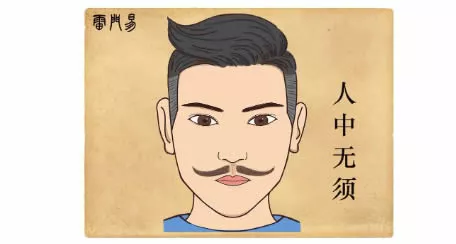
3. A "mouth-bound beard," a beard that surrounds the mouth, is also a negative facial feature.
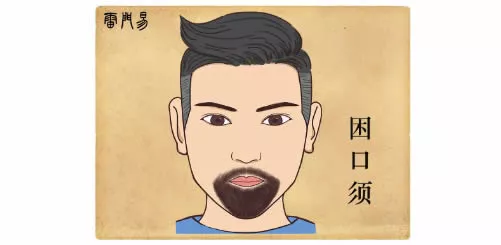
Interestingly, some men seem to favor the "mouth-bound beard," perhaps because it imparts an artistic vibe?
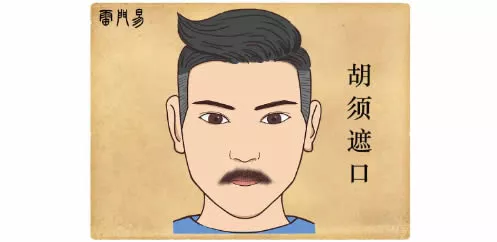
4. The beard on the upper lip should not cover the mouth: some great literary figures sported this style, especially during the Republic of China era, but it's generally not recommended for ordinary people to imitate.
5. If the chin beard is long, ensure it is not split into two parts, as this is detrimental to family and marriage stability and may lead to divorce or separation.
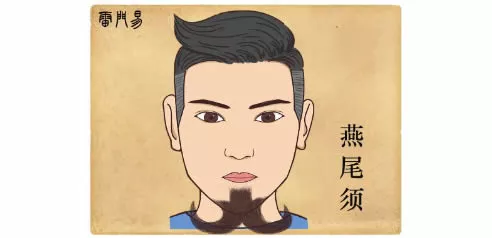
However, encountering such a split beard in real life is rare; if you do, it might belong to someone quite unique!
Body Hair in Women
For men, body hair typically has a positive implication, but for women, the interpretation differs. If a woman has excessive or dense body hair, it may suggest a more masculine side to her personality.
So, how do we interpret this "masculine" aspect? Initially, it may indicate that the individual has a hard or stubborn demeanor, lacking traditionally feminine qualities.
The specific manifestation depends on the situation:
- On the positive side, such women could be generous, self-reliant, and adept at overcoming challenges, with a strong drive to advance.
- On the negative side, it may impede romantic relationships or create a heavier burden for the individual.
Moreover, if a woman has coarse and curly body hair, it might signify a strong sense of revenge. If this is coupled with characteristics of excessive body hair, it can enhance masculine traits and lead to passionate and intense desires.
Note: It's normal for women to have soft, fine hair on their arms, legs, and lips, but if it's excessively dense or coarse, it may indicate an "excessive yang" condition.
If a woman has thick and coarse hair on her arms and legs, regardless of her outward appearance or style, even if she appears delicate, she's probably not the gentle and soft type; she might harbor a "tomboy" persona internally.
If a woman has chest hair, it often reflects a strong personality, which might not be conducive to a happy marriage, and particular attention should be given during childbirth to avoid complications.
Additionally, if noticeable hair is present on visible areas like the knees, elbows, or back of the neck, it suggests a life of labor and persistence, which might lead to achievements but equally signifies hard work.
Note: As previously noted, body hair can also be related to health and disease. For instance, women with polycystic ovary syndrome, excessive testosterone secretion, or endocrine issues might experience increased hair growth, and timely medical consultation would be advisable.