Does Facial Appearance Truly Reflect the Heart? Unveiling Legends from Shandong
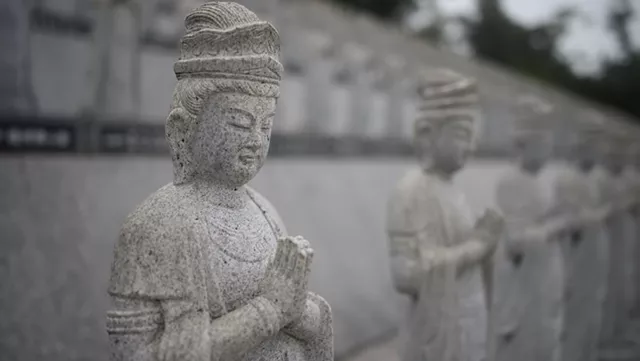
The saying "appearance is born from the heart" comes from an old tale. Long ago, in Shandong, there was a skilled craftsman who was not only handsome but also enjoyed sculpting figures of demons and monsters. His creations were so vivid and lifelike that they attracted many buyers. Over time, his business prospered, and he became quite wealthy. However, one day, when he looked in the mirror, he noticed that his own face had become fierce, ugly, and strange. He consulted many renowned doctors, but none could restore his appearance.
One day, he visited a temple and shared his woes with an elder there. The elder said, "I can help you, but first, you must sculpt several statues of Guanyin with different expressions." Eager to change his fate, the craftsman accepted this challenge. He immersed himself in studying Guanyin's expressions and mindset, often losing himself in the process and feeling as if he had become Guanyin.
After six months of hard work, he unveiled statues of Guanyin, each with distinct expressions of kindness, compassion, tolerance, and grace, earning widespread praise. At that moment, he realized that his appearance had transformed, taking on a dignified and composed look. His condition had inexplicably healed.
This story illustrates the intrinsic link between inner change and outward appearance. To enhance one's looks, one must be sincere, kind to all living things, and tolerant of the grievances and relationships encountered in life. Conversely, if one is greedy, selfish, harsh, indulgent, or violent, their appearance will reflect these traits, becoming unattractive and harsh. Essentially, a person's appearance is shaped by their long-standing habits and character, which stem from the heart and are reflected in their being.
Appearance is influenced by destiny. Experts in Western physiognomy and the Eastern I Ching believe that a person's facial features can reveal their destiny, suggesting that life follows certain patterns. Typically, a person's life path remains unchanged without exceptional circumstances and relies on their own effort.
Buddhism teaches the concept of cause and effect and karmic retribution: "To understand the causes of past lives, observe the present life; to foresee future outcomes, reflect on current actions." In essence, examining one's current life scenario provides insight into past life actions, and evaluating present actions predicts future outcomes.
The challenges, illnesses, disasters, and misfortunes we face in this life are often linked to overindulgence in past lives. Similarly, the enjoyment, health, and happiness experienced now can lead to future suffering. Excessive indulgence in this life can also lead to future pain. The joys and sorrows of past lives are closely connected to the karmic balance in this life, which remains true whether considering past, present, future, or the different stages of life.
Traditional Chinese medicine describes "four diagnostic methods": observation, listening, inquiry, and palpation, with observation being the foremost. Historically, esteemed doctors could often predict a person's past and future health just by examining their appearance. For instance, frequent anger could harm the liver and gallbladder; excessive joy affects the heart; overthinking may damage the spleen and stomach; ongoing sadness impacts the lungs; and persistent fear weakens the kidneys. On the flip side, these emotions can also indicate underlying health issues.
From a facial analysis perspective: unclear vision may suggest liver troubles; lack of taste may indicate heart issues; pale lips might signal spleen and stomach disharmony; a deficient sense of smell can point to lung disease; and poor hearing could imply kidney decline. Specific changes in facial color corresponding to particular areas of the face can help identify health concerns.
By assessing facial features in relation to internal organ health, one can also gauge personal preferences. Those who often eat sour foods might have a greenish complexion; those favoring bitter foods may appear red; sweet food enthusiasts might turn yellowish; people who prefer spicy foods can look pale; and those who overconsume salty foods might have a darker appearance. Experienced elders can often determine a person's character, habits, and health just by observing their appearance, actions, and words. Although it may appear predestined, many aspects are a result of negative thoughts, bad habits, and unkind behaviors.
Appearance is self-created. While factors may seem predetermined and beyond control, once the core issues are identified and human weaknesses overcome, starting from the heart can lead to changes in appearance and destiny. The notions that "appearance comes from the heart" and "is determined by fate" can be challenged. Through personal effort, one might transform their appearance and uncover their true self.
I believe there are two methods for self-improvement. The first approach is to change from the "heart." Historically, some narratives have inspired new paths for individuals. Acts of great kindness have transformed unfavorable destinies, significant merits have extended lives, and altruistic actions have led to success.
Conversely, wrongdoings, like destroying temples and taking lives, have inflicted harm on one's own health and family, ruining households. If we all start from the "heart," treating all things with sincerity, achieving all matters with kindness, and interacting with tolerance, you will witness a significant transformation in your appearance, a remarkable improvement in your life's journey, and substantial changes to your destiny.
The second method is to change from "nature." Traditionally, nature and fate were linked, with "life and nature" suggesting that nature precedes fate. This isn't just rhetoric; it's essential for a long life. Cultivating one's nature is necessary for nurturing one's life. To enhance health, bad habits must be addressed.
Slowly eliminating negative habits, unkind behaviors, and insincere actions, while letting go of excessive pursuits of fame and fortune, leads to a longer, healthier, and more joyful life. This fosters a broad-minded outlook, a calm approach to challenges, and a character that is gentle, humble, and rational, avoiding harm to oneself and others. Harmony with all beings and integrating virtue into one's way of life purifies the soul and elevates moral standards.